
Values: Sanuk, Sabai, Mai Pen Rai
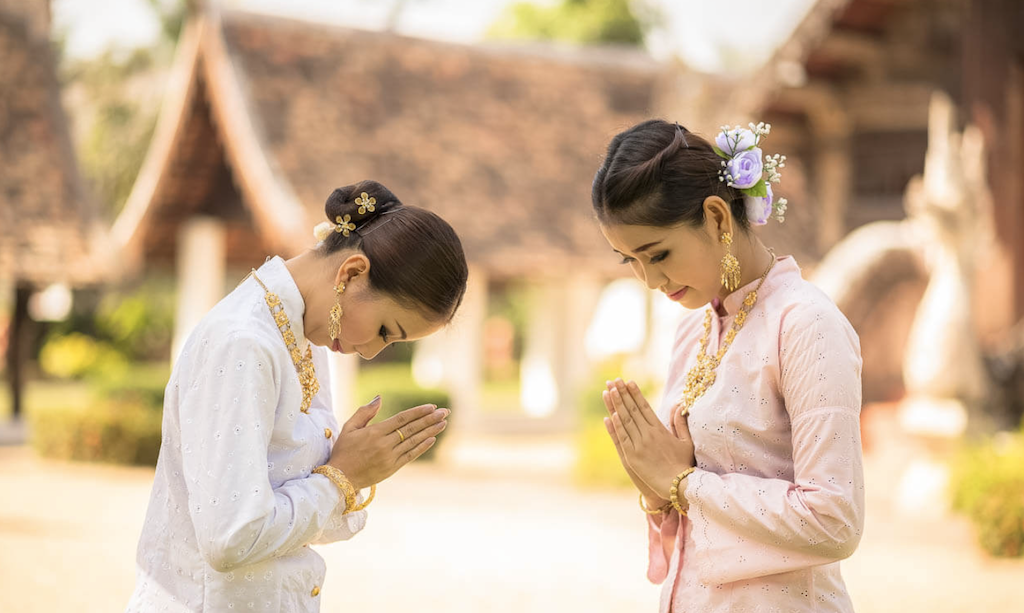
Thailand carries a quiet philosophy woven into everyday life, something you feel long before you understand it. It appears in small gestures, in the way people smile, in how they move through the day with softness and ease. Three words express this spirit more than anything else: Sanuk, Sabai and Mai Pen Rai. Simple on the surface, but profoundly meaningful once you truly see them. Together they form a way of living that makes Thailand feel warm, light and deeply human.
Tips Overview
Contents
The Three Core Values of Thai Culture: Sanuk, Sabai and Mai Pen Rai
Sanuk: The Thai Belief That Everything in Life Should Carry a Touch of Joy
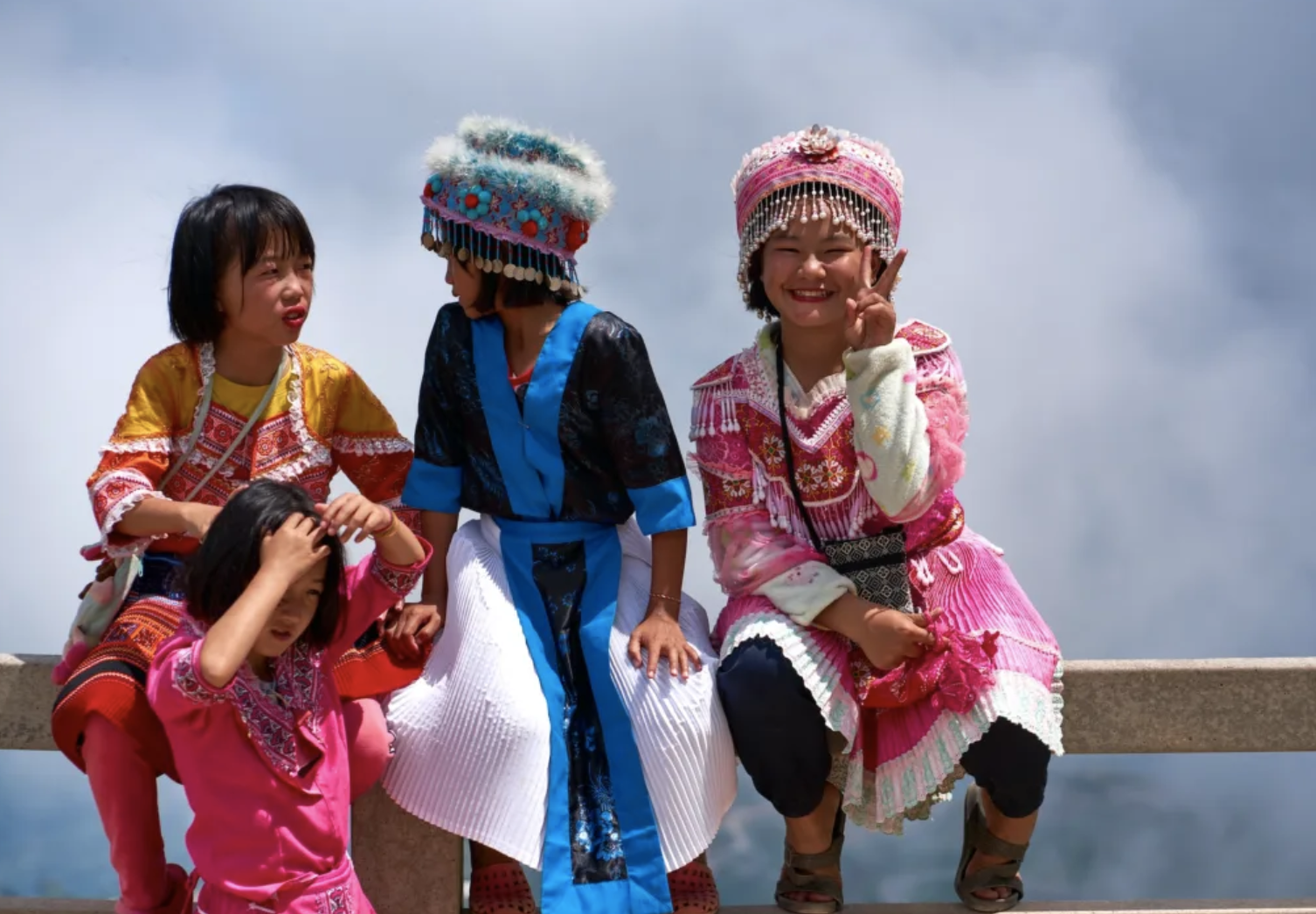
Sanuk is the belief that everything in life should carry a touch of joy. It is not about big celebrations or loud moments but a gentle invitation to find fun and delight in whatever you are doing. A vendor joking with customers, an office worker humming while sorting papers, a family laughing during dinner even after a long day. Sanuk says life is too short to take everything seriously.
In Thailand, even challenging moments are softened with laughter. It is a way of reminding yourself that joy is a choice, a mindset and sometimes a simple shift in perspective. Sanuk teaches you to stay playful, to keep your heart open and to let small sparks brighten your day.
Sabai: The Thai Art of Ease, Comfort and Letting Things Unfold Naturally
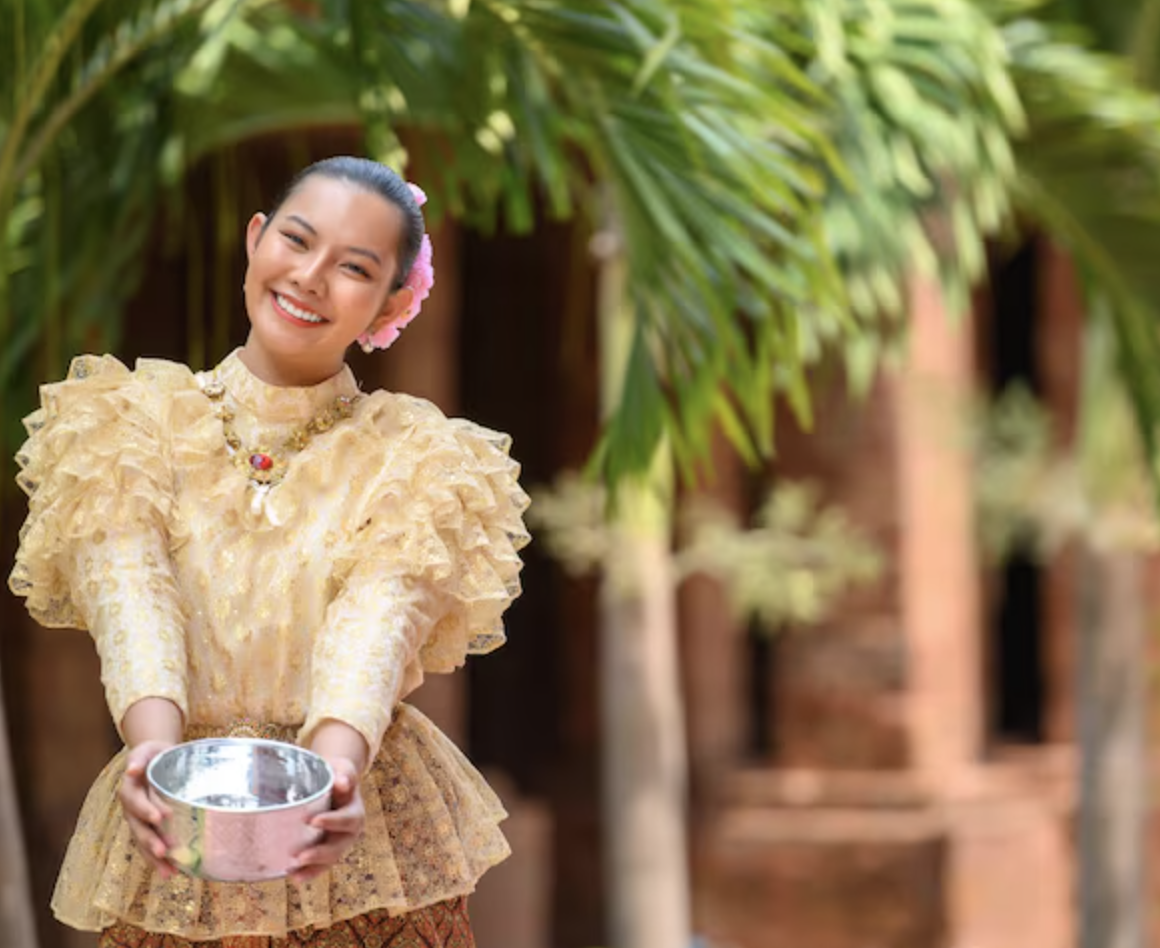
Sabai is one of the most beautiful feelings you can experience in Thailand. It means comfort, ease and a sense of being relaxed both in your body and your mind. It is the gentle rhythm of a slow morning, the calmness of a warm evening breeze, the quiet satisfaction after a good meal.
Sabai is the reason everything feels less rushed here. People take their time, they breathe, they allow things to unfold naturally. It is not laziness, it is wisdom. Life moves smoother when you are not constantly fighting it. Sabai invites you to slow down, to soften your shoulders, to let your thoughts settle. Once you feel Sabai, you understand why so many travellers fall in love with Thailand and never really leave.
Mai Pen Rai: Thailand's Most Iconic Expression and What It Really Means
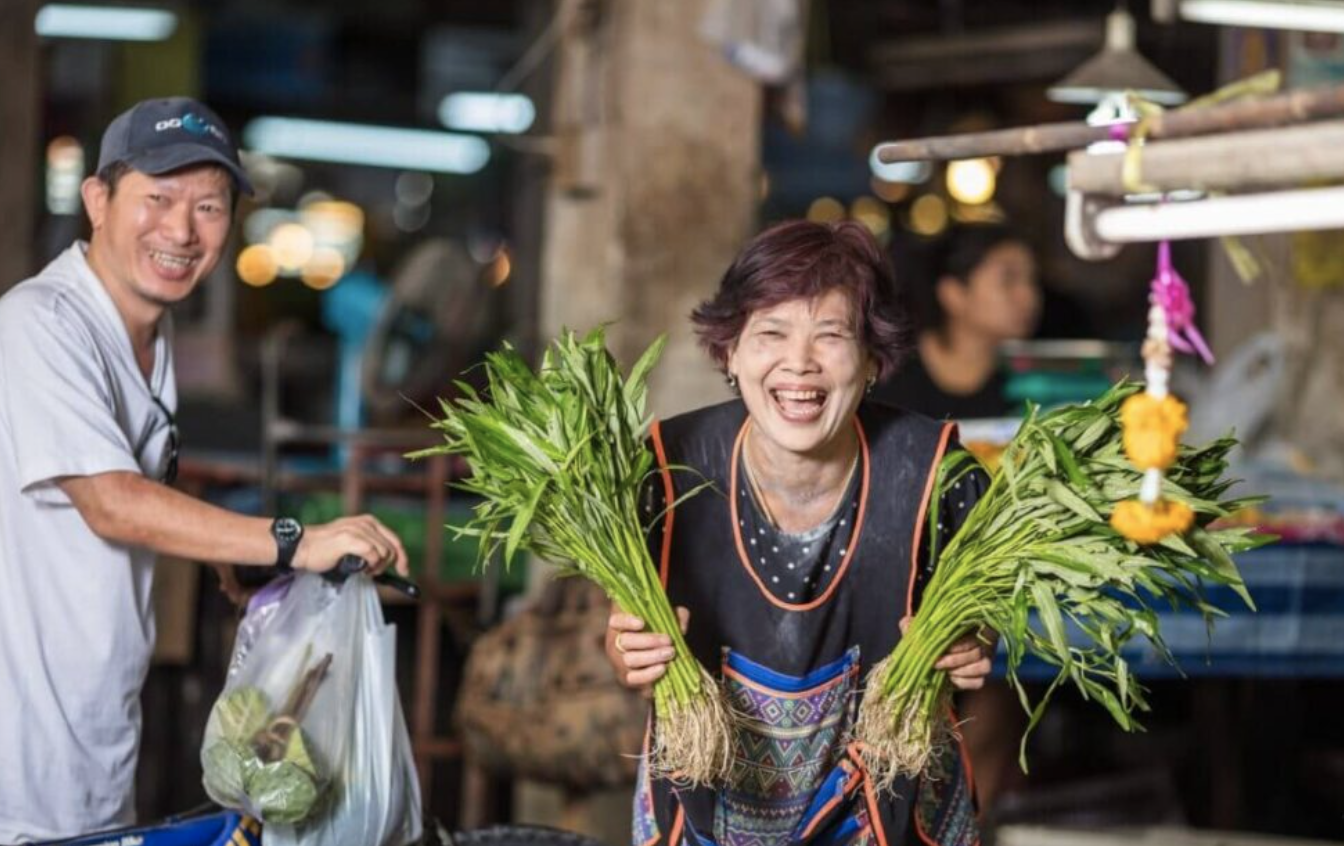
Mai Pen Rai is perhaps the most iconic expression of Thai spirit. It means “never mind” or “it is okay” but it carries more depth than any translation can capture. It is acceptance, forgiveness, letting go without bitterness.
If things break, if plans change, if something goes wrong, Thai people often answer with a gentle Mai Pen Rai. It is a reminder that stressing will not fix what already happened. It frees you from carrying unnecessary weight. It teaches you to move on with grace.
Mai Pen Rai does not mean you do not care, it means you choose peace over frustration. You choose to protect your inner balance and the harmony of the moment. It is one of the most powerful cultural values you can learn from Thailand.
When Sanuk, Sabai and Mai Pen Rai Come Together: Thailand's Quiet Daily Philosophy
When Sanuk, Sabai and Mai Pen Rai come together, something special happens. You start to notice how lightness can exist in difficult moments, how calmness can shape your days and how acceptance can reshape your heart. Thailand’s atmosphere is not an accident. It is built on these values, lived quietly by millions of people every day.
They make you breathe a little deeper, smile a little more and appreciate the simplest moments with new eyes. And if you let them in long enough, they do more than change your trip.
Veloura Tips
Do Not Rush Conversations In Thailand, jumping straight into business can feel abrupt. Start with a smile, a small greeting, a soft tone. A few seconds of light exchange creates ease. Things often move faster when you slow down first.
Smile Before You Negotiate Whether you are arranging a taxi, discussing a price at a market or solving a small issue at a hotel, tone matters more than volume. A relaxed smile and calm voice often lead to better outcomes than direct pressure. In Thailand, maintaining harmony is part of the interaction. If you protect the atmosphere, people are more willing to help you.
React Calm First, Fix Second If something goes wrong, lower your tone instead of raising it. Staying calm keeps solutions open. Escalating emotions often closes doors. In Thailand, composure solves more than confrontation.
Frequently Asked Questions: Sanuk, Sabai and Mai Pen Rai
What does Mai Pen Rai mean in Thai?
Mai Pen Rai (ไม่เป็นไร) translates most literally as "never mind" or "it's okay," but the meaning carries more depth than any direct translation captures. It is an expression of acceptance, forgiveness, and letting go without bitterness. When something breaks, plans change, or things go wrong, a Thai person will often respond with a gentle Mai Pen Rai — not because they do not care, but because they choose peace over frustration and inner balance over unnecessary stress. It is one of the most powerful cultural values in Thailand and one of the clearest expressions of why the country feels as calm and forgiving as it does.
What does Sanuk mean in Thai culture?
Sanuk (สนุก) means fun, enjoyment, and the belief that everything in life should carry a touch of joy. In Thai culture, Sanuk is not reserved for celebrations or special occasions — it is applied to everyday moments and even challenging tasks. A vendor joking with customers, a family laughing at dinner after a long day, a worker humming while doing something routine. Sanuk reflects a mindset that joy is a choice and that a playful spirit makes life lighter. It is one reason social interactions in Thailand tend to feel warm and light rather than transactional or serious.
What does Sabai mean in Thailand?
Sabai (สบาย) means comfortable, relaxed, and at ease — both physically and mentally. It describes the feeling of a slow morning, a warm evening breeze, or the quiet satisfaction after a good meal. Sabai is why things in Thailand feel less rushed. It is not laziness but a kind of wisdom — an understanding that life moves more smoothly when you are not constantly fighting against it. When Thai people say "sabai sabai," they are expressing a deep and genuine contentment with the present moment. For visitors, Sabai is often the feeling that explains why so many people come to Thailand and never quite want to leave.
What are the main cultural values in Thailand?
Three values sit at the heart of Thai daily life and culture: Sanuk (the joy of living lightly and finding playfulness in everyday moments), Sabai (the ease and comfort of not rushing, of letting things unfold), and Mai Pen Rai (the acceptance that comes from letting go of what cannot be changed). Alongside these, Thai culture values social harmony over confrontation, respect for hierarchy expressed through the wai and quiet deference to elders and monks, and a strong sense of communal warmth. Together these values create the atmosphere that makes Thailand feel distinctly generous, calm, and human.
Why are Thai people so relaxed and warm?
The warmth and ease you feel in Thailand is not accidental — it is rooted in values that are practiced daily. Sanuk encourages people to find joy in small moments rather than waiting for big ones. Sabai teaches that ease and comfort are worth protecting rather than sacrificing for urgency. Mai Pen Rai gives people a graceful way to release frustration rather than carrying it. Social harmony is valued over individual dominance, which means interactions tend to be soft, non-confrontational, and considerate. These are not performances for visitors — they are expressions of a genuine cultural philosophy lived quietly by millions of people every day.
How do these Thai values apply to traveling in Thailand?
Understanding Sanuk, Sabai, and Mai Pen Rai makes you a noticeably better traveler in Thailand. Applying Sanuk means staying playful and light rather than frustrated when plans change. Sabai means giving yourself permission to slow down and follow the rhythm of wherever you are. Mai Pen Rai means responding to delays, mistakes, and small problems with calm acceptance rather than escalation — which in Thailand consistently produces better outcomes than pressure or confrontation. Taken together, these three values are a practical guide to moving through Thailand with ease, building genuine connections, and experiencing the country the way it was meant to be felt.
For more guides to Thai culture and local life, visit veloura-gems.com.
Veloura App
There is more to explore.
Bangkok, Koh Phangan and Northern Thailand, beyond the obvious.
