
How to get to Bangkok
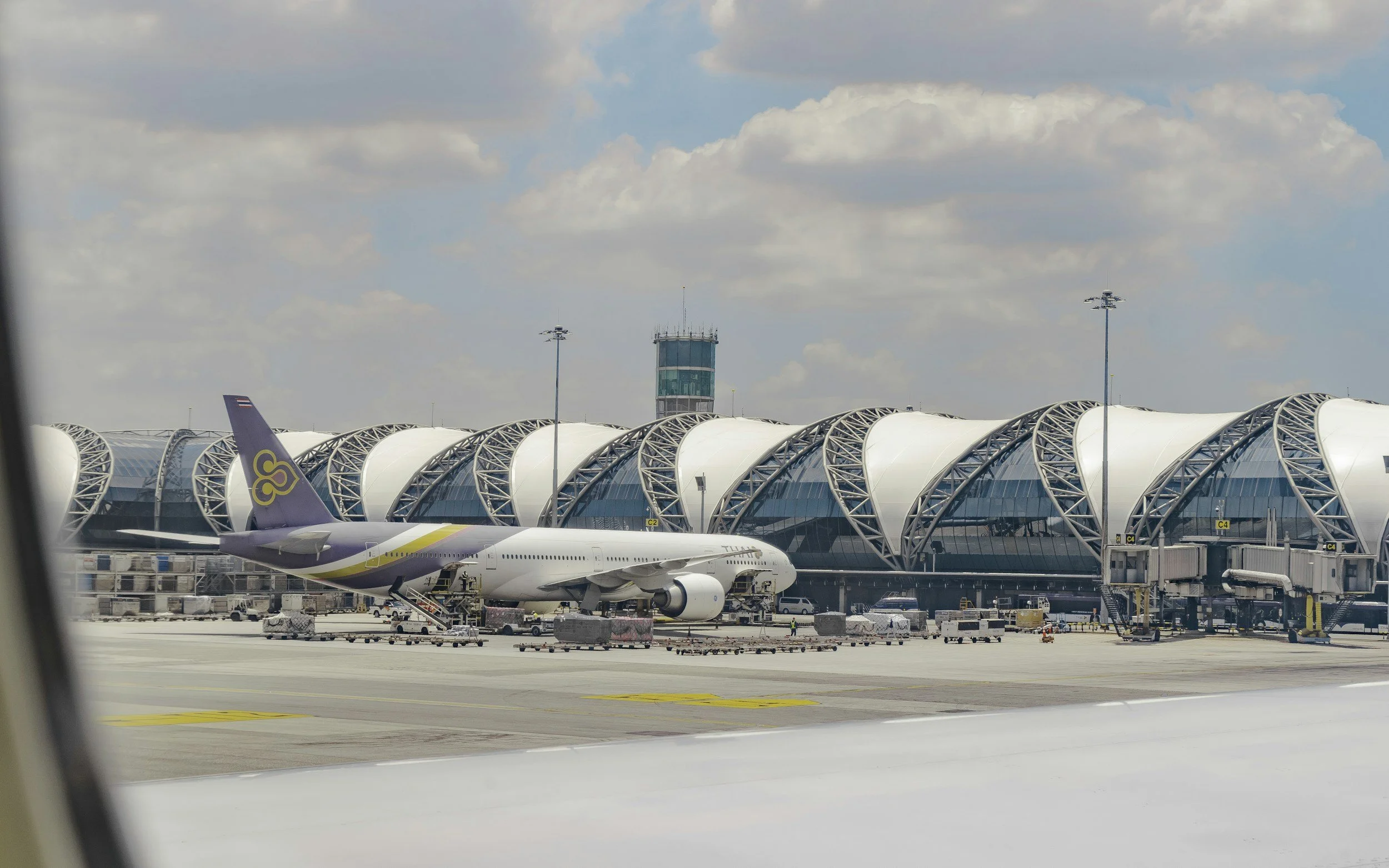
Bangkok is one of Southeast Asia’s most accessible cities, whether you arrive by plane, train or long distance bus. As Thailand’s main international gateway, the city is well connected to Europe, the Middle East, Australia and the rest of Asia.
Most international travelers land at Suvarnabhumi Airport, the city’s main hub with strong transport links into downtown. Regional and low cost flights often arrive at Don Mueang Airport in the north of the city. It is important to check your ticket carefully, as the two airports are far apart and not interchangeable.
Bangkok is also connected by overnight trains from Chiang Mai and other major Thai cities, offering a slower but scenic way to arrive. Long distance buses from the north, south and neighboring countries arrive daily at different terminals around the city.
No matter how you arrive, Bangkok is easy to navigate once you understand the layout. With the right planning, your journey into the city can be smooth and stress free.
Tips Overview
Contents
Bangkok Airports: Suvarnabhumi vs Don Mueang — What You Need to Know
Bangkok has two main international airports, and knowing the difference between them makes your arrival and departure much smoother.
Suvarnabhumi Airport (BKK)
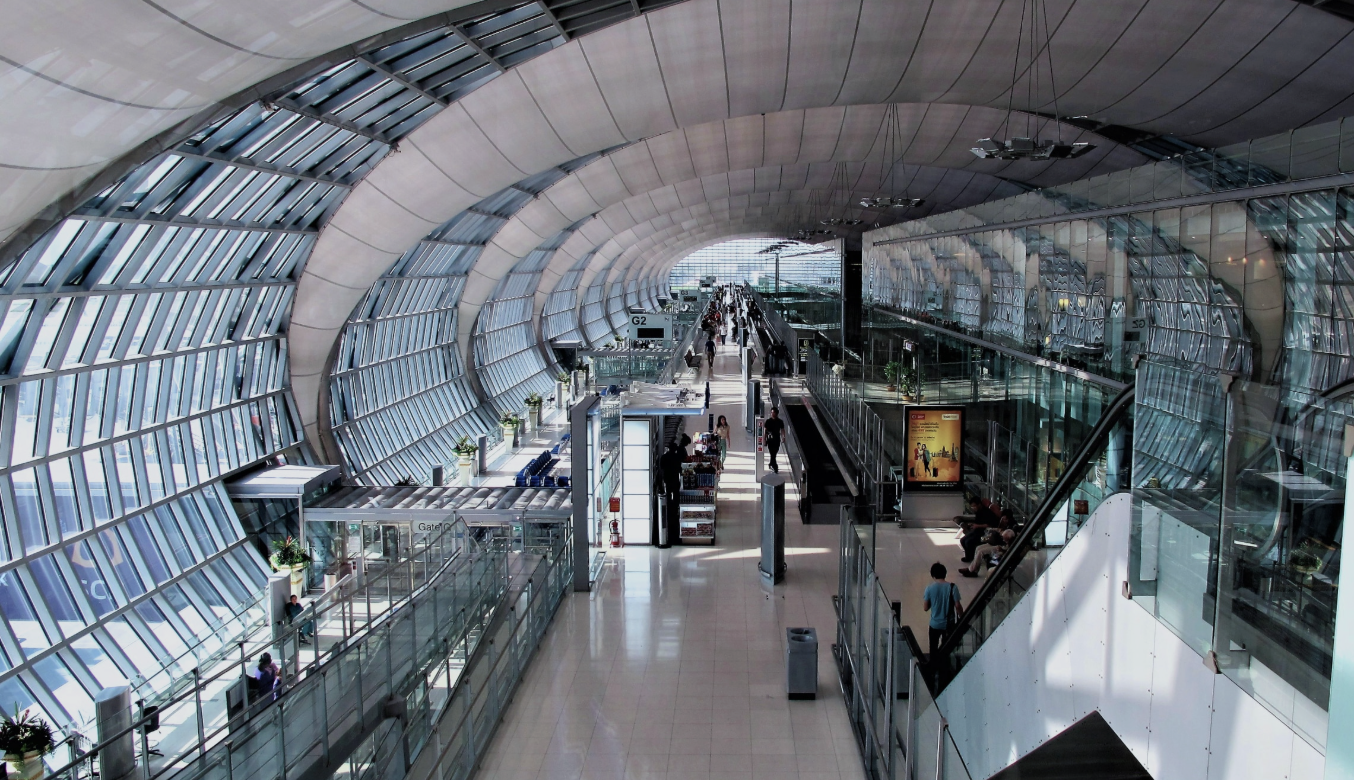
This is Bangkok’s main international airport and the one most long-haul travellers use. It handles the major global airlines and has the best transport connections.
Passport control can take some time depending on your arrival hour, but the airport is modern, organised, and easy to navigate.
Getting into the city
Airport Rail Link
The fastest and most convenient way to reach the city. It takes around 30 minutes and costs between 50 and 100 THB. The train connects directly to the BTS at Phaya Thai Station, which is ideal if you want to avoid traffic.
Taxi
A comfortable option, especially if you arrive late or carry luggage.
Expect around 350 to 450 THB to reach central Bangkok.
Always choose the highway when the driver asks. The toll is around 75 THB and can be paid in cash or sometimes by card. During peak hours, traffic may slow you down, so build in some buffer time.
BKK is generally the easiest airport for a smooth arrival.
Don Mueang Airport (DMK)

Located in the north of Bangkok, DMK is the hub for low cost airlines such as AirAsia, Nok Air and Lion Air. Many regional flights within Asia land here.
It is important to know which airport you are arriving at because the transport options are different and the travel time to central Bangkok is usually longer from DMK.
Getting into the city
There is no direct fast train into downtown Bangkok from DMK. The most practical options are taxi, Grab or Bolt, with an average fare of around 350 to 450 THB depending on traffic and destination.
If the driver offers the highway, always choose it. The toll is approximately 75 THB and saves significant time during busy hours.
DMK can feel slightly busier and less streamlined than Suvarnabhumi, but it is still easy to navigate once you understand the layout and plan your transport in advance.
Passport Control at Bangkok Airports
Arriving in Bangkok is usually straightforward, but passport control can take time depending on the hour and season. Both Suvarnabhumi Airport and Don Mueang Airport are modern and organized, yet queues can build quickly during peak arrival waves.
If you arrive early morning or late evening, the process is often faster. Midday and early evening, especially when multiple long haul flights land at once, can mean waiting 30 to 60 minutes or sometimes longer.
Make sure your arrival card, passport and onward ticket details are ready before reaching the counter. Having your hotel address accessible on your phone can also help if asked.
Overall, the process is efficient. Just stay calm, follow the signs and build in a little buffer time if you have a tight connection.
Flying Out of Bangkok
This is something many travellers forget until the last minute. Bangkok has two airports and it is essential to double check which one your departure flight leaves from. Many travellers arrive at BKK but fly out of DMK or the other way around, especially when combining long haul flights with regional low cost flights.
The distance between BKK and DMK is significant and travelling between the two airports can take more than an hour depending on traffic. Always check your booking carefully and plan your transport accordingly. Leaving for the wrong airport happens more often than you think.
Bangkok Train Stations: Hua Lamphong and Krung Thep Aphiwat Explained
Bangkok has two main railway stations, each representing a different chapter of the city’s travel story. Well connected to Bangkoks MRT.
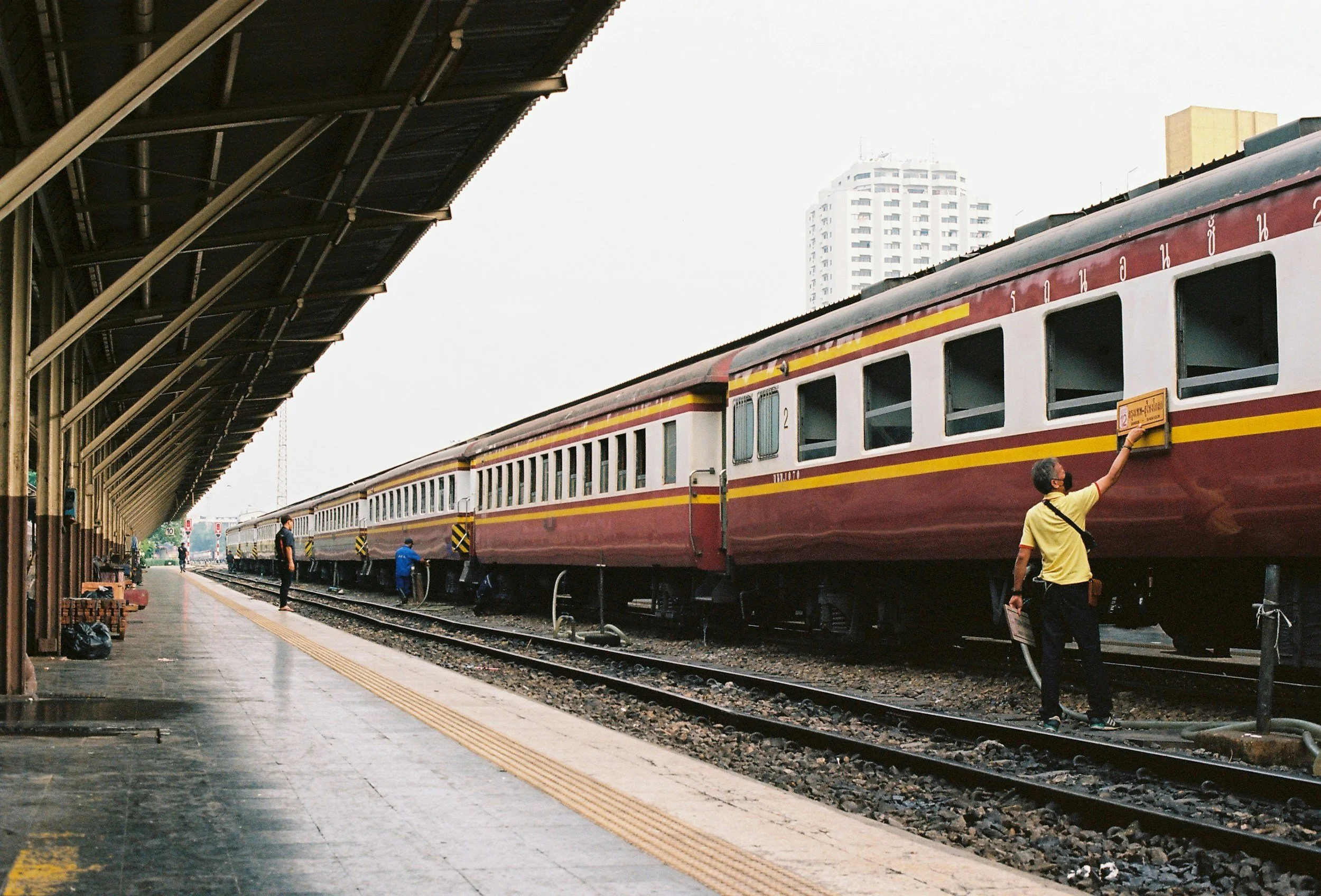
Hua Lamphong Railway Station
Hua Lamphong is Bangkok’s historic railway station and one of the city’s architectural landmarks. Opened in 1916, the station’s grand arched hall and stained glass windows reflect a European influence blended with Thai character.
Although many long distance routes have moved to Bang Sue Grand Station, Hua Lamphong still operates selected regional trains and short distance services. Its location near Chinatown and the Old Town makes it especially convenient if you are staying in that part of the city.
Even if you are not traveling by train, the station is worth a visit. The atmosphere feels nostalgic and authentic, offering a glimpse into a slower era of travel in the middle of modern Bangkok.
Krung Thep Aphiwat Central Terminal
Bang Sue Grand Station, officially known as Krung Thep Aphiwat Central Terminal, is Thailand’s new main railway hub and the largest train station in Southeast Asia. It replaced most long distance services from Hua Lamphong and now connects Bangkok with destinations across the country.
The station is modern, spacious and significantly more streamlined than the old terminal. Clear signage, wide platforms and air conditioned waiting areas make departures more comfortable, especially for overnight trains.
It is directly connected to the MRT, making access from central Bangkok relatively easy. If you are taking a train to Chiang Mai, Ayutthaya or southern Thailand, this is likely where your journey will begin.
Bangkok Bus Terminals: Which One Do You Need?
Bangkok has three main long distance bus terminals, each serving different regions of Thailand. Knowing which one you need saves time and unnecessary travel across the city.
From each terminal it is easiest to continue your journey by taxi or Grab because they are not directly connected to the BTS or MRT.
Always check your ticket carefully, as these terminals are in different parts of the city and not connected to each other.
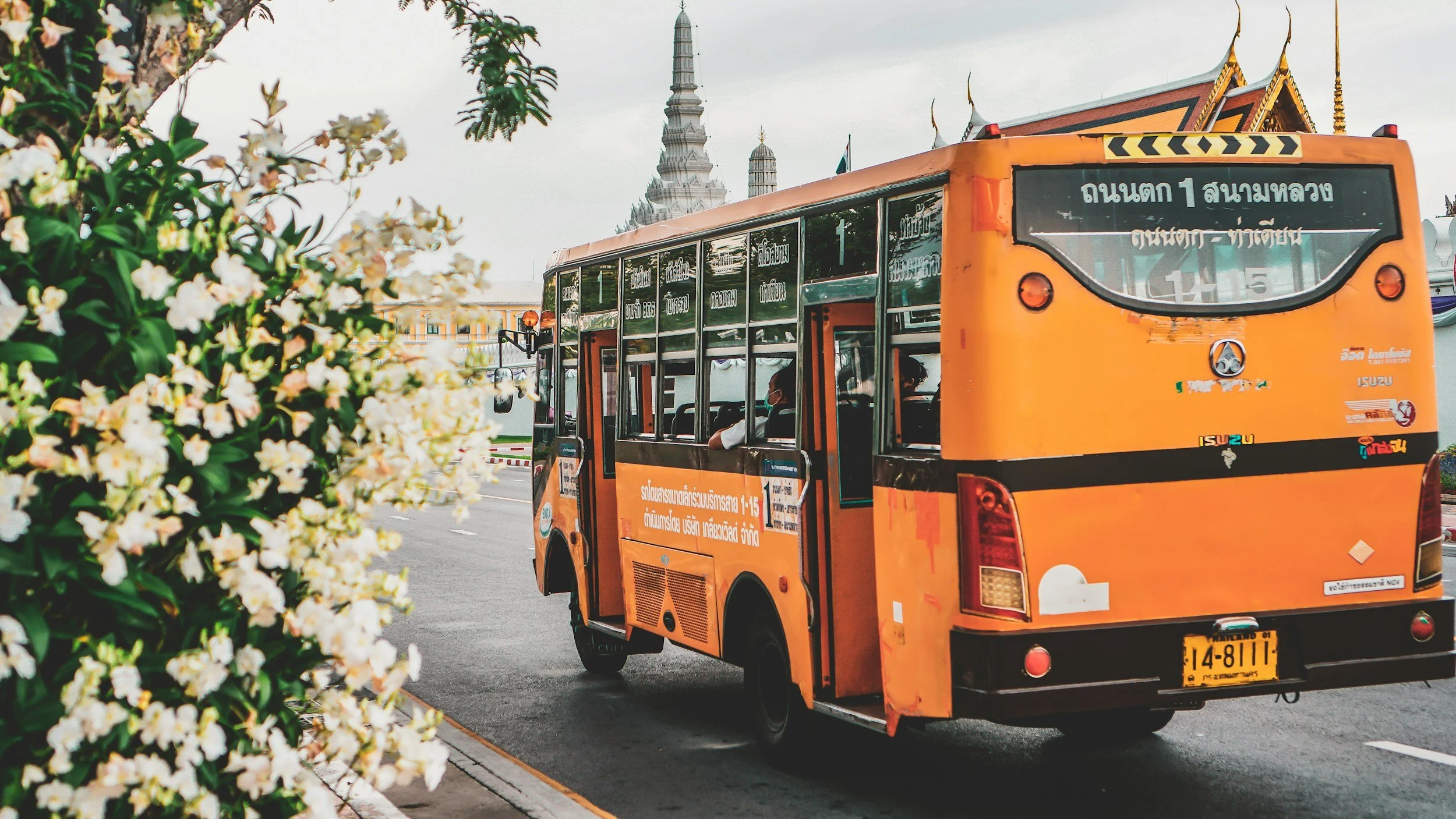
Mo Chit Bus Terminal
Mo Chit Bus Terminal, also known as the Northern Bus Terminal, is the main departure point for buses heading to northern and northeastern Thailand. Popular routes include Chiang Mai, Chiang Rai, Ayutthaya and many destinations in Isaan.
The terminal is large and functional rather than modern, with multiple platforms, ticket counters and small food stalls inside. It is located in the north of Bangkok, near Chatuchak, but not directly connected to the BTS or MRT.
The easiest way to reach Mo Chit is by taxi or Grab, especially if you carry luggage. Arrive at least 30 minutes before departure, as platforms can take time to locate. Once on board, long distance buses in Thailand are generally comfortable and air conditioned, making them a reliable way to travel across the country.
Ekkamai Bus Terminal
Ekkamai Bus Terminal is Bangkok’s main hub for routes to the eastern region of Thailand. From here, you can travel to destinations such as Pattaya, Rayong, Koh Samet and Koh Chang.
One of its advantages is location. The terminal sits directly next to BTS Ekkamai, making it the easiest bus station to access from central Bangkok. It is smaller and more manageable than Mo Chit or Sai Tai Mai, with clear ticket counters and frequent departures throughout the day.
Arrive 20 to 30 minutes before your departure time to buy your ticket and locate your platform. For short trips to the coast, buses from Ekkamai are reliable, affordable and air conditioned, making them a practical alternative to private transfers.
Sai Tai Mai Bus Terminal
Sai Tai Mai, also known as the Southern Bus Terminal, is the main departure point for buses heading to southern Thailand. From here you can travel to destinations such as Hua Hin, Phuket, Krabi, Surat Thani and connections to the islands.
The terminal is large and functional, with multiple ticket counters, food stalls and waiting areas. It is located in the western part of Bangkok and not directly connected to the BTS or MRT, so the easiest way to reach it is by taxi or ride hailing service.
Plan extra travel time to get there, especially during peak traffic hours. Once on board, long distance buses to the south are generally comfortable and air conditioned, making them a practical and budget friendly way to travel across Thailand.
Veloura Tips
Double Check Your Airport Bangkok has two airports and they are far apart. Always confirm whether your flight arrives or departs from BKK or DMK. Traveling between them can take over an hour depending on traffic. Many travelers miss flights because of this mistake.
Avoid Rush Hour Traffic If you land between 4 pm and 8 pm, traffic into the city can be heavy. From Suvarnabhumi, the Airport Rail Link is usually much faster than a taxi during this time.
Overnight Train or Bus? Choose Smart If you travel overnight from Chiang Mai or to the south, book the lower bunk on trains. It is wider and more comfortable. Bring a light jacket because the air conditioning can be cold. For long distance buses, choose VIP or first class if available. The price difference is small, but the extra space and comfort make a big difference on a six to ten hour journey.
Frequently Asked Questions: Getting to Bangkok
How many airports does Bangkok have and what is the difference?
Bangkok has two international airports. Suvarnabhumi Airport (BKK) is the main hub, used by most long-haul and full-service airlines, and has the best transport connections into the city including the Airport Rail Link. Don Mueang Airport (DMK) is the low-cost carrier hub, used by airlines like AirAsia, Nok Air, and Lion Air for regional and budget flights. The two airports are far apart and traveling between them can take over an hour depending on traffic. Always check your booking to confirm which airport you are using, especially if your trip combines a long-haul flight with a connecting regional flight.
What is the fastest way from Suvarnabhumi Airport to Bangkok city centre?
The Airport Rail Link is the fastest and most reliable option, taking around 30 minutes to Phaya Thai Station where it connects directly to the BTS Skytrain. Cost is 50 to 100 THB depending on destination. Taxis are comfortable and cost around 350 to 450 THB to central Bangkok, but are slower during peak hours. Always ask the driver to take the highway. The toll is approximately 75 THB and saves significant time during busy periods.
How do I get from Don Mueang Airport to Bangkok city centre?
There is no direct fast train from Don Mueang to downtown Bangkok. The most practical options are taxi, Grab, or Bolt, with fares averaging 350 to 450 THB depending on traffic and destination. If the driver offers the highway, accept it. The toll saves significant time. Plan for longer travel times than from Suvarnabhumi, particularly during morning and evening rush hours.
What is the difference between Bangkok's two train stations?
Hua Lamphong is Bangkok's historic railway station, opened in 1916, with grand arched architecture and a nostalgic atmosphere. It still operates selected regional and short-distance services and is conveniently located near Chinatown and Bangkok's Old Town. Krung Thep Aphiwat Central Terminal (Bang Sue Grand Station) is the modern replacement, the largest train station in Southeast Asia and now the main hub for long-distance services to Chiang Mai, Ayutthaya, and southern Thailand. It is connected to the MRT. If you are taking an overnight train or traveling between major cities, Krung Thep Aphiwat is where your journey will most likely begin.
Which Bangkok bus terminal do I need for Chiang Mai, Koh Phangan, or the east coast?
For northern and northeastern Thailand including Chiang Mai and Chiang Rai, use Mo Chit Bus Terminal (Northern Bus Terminal). For southern Thailand including Surat Thani, Koh Samui, Koh Phangan, Phuket, and Krabi, use Sai Tai Mai (Southern Bus Terminal). For the eastern coast including Pattaya, Koh Samet, and Koh Chang, use Ekkamai Bus Terminal, the easiest to reach as it sits directly next to BTS Ekkamai station. None of the three terminals are directly connected to each other, so always verify which one you need before traveling.
Is it easy to get around Bangkok as a first-time visitor?
Yes. Bangkok has a well-developed public transport network once you understand the layout. The BTS Skytrain and MRT Metro cover most tourist and residential areas and are fast, cheap, and air-conditioned. Grab (the regional Uber equivalent) is reliable for areas not covered by rail. Taxis are affordable but always ensure the meter is running. The Airport Rail Link connects Suvarnabhumi directly to the BTS network at Phaya Thai Station. The main challenge for newcomers is that the city is large and traffic can be severe during rush hours. Building buffer time into any journey that involves a taxi or road transport is always advisable.
For more local tips and guides to Bangkok and Thailand, visit veloura-gems.com.
Veloura App
There is more to explore.
Bangkok, Koh Phangan and Northern Thailand, beyond the obvious.
