
Delicious Northern Thai Cuisine
A Guide to Authentic Northern Thailand Food Culture, Chiang Mai & Lanna Heritage
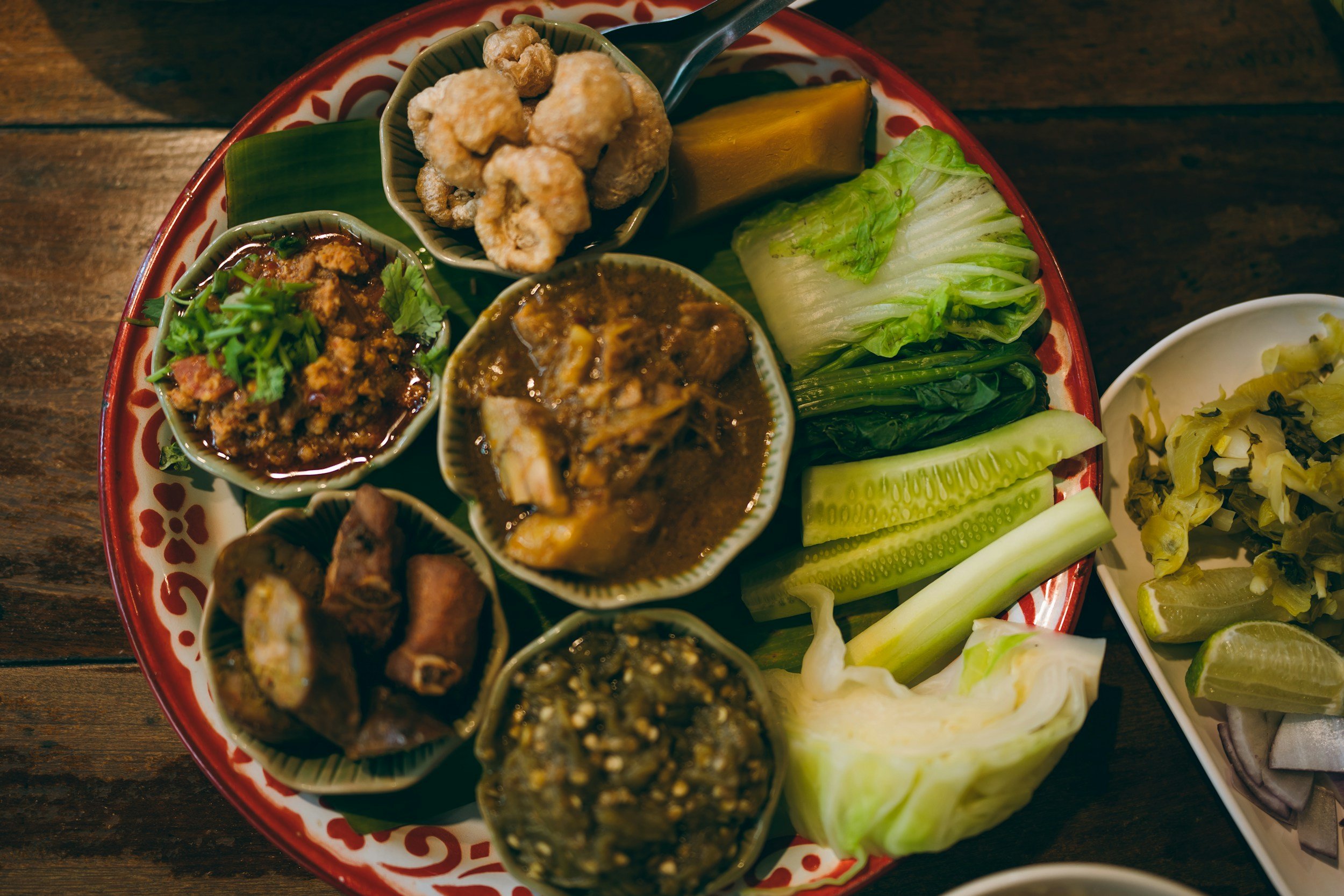
Northern Thai food feels different from what many people expect of Thai cuisine. It is less about sharp heat and more about depth, herbs and slow cooked flavors.
Influenced by Lanna culture and neighboring Myanmar and Laos, the dishes in Northern Thailand are often rich, earthy and comforting. Sticky rice replaces jasmine rice in Northern Thailand. Curries in Northern Thailand are thicker and more aromatic. Fresh herbs, fermented ingredients and grilled meats play a big role in Northern Thai cooking.
In this guide to Northern Thai cuisine, we explore the essential dishes of Northern Thailand and where to try them in Chiang Mai and the region, so that you can experience the true taste of Northern Thailand beyond the usual classics.
Related guides: Where to Eat in Chiang Mai Like a Local, Chiang Mai Night Markets and Street Food, Best Restaurants in Chiang Mai
Tips Overview
Contents
Essential Northern Thai Dishes: What Makes Northern Thailand Food Unique
Northern Thai food culture reflects the region's Lanna heritage and influences from Myanmar and Laos. Northern Thailand cuisine is distinct from central and southern Thai food in several ways.
In Northern Thailand, sticky rice is the staple instead of jasmine rice. Curries in Northern Thailand use less coconut milk and more aromatic pastes. Northern Thai dishes emphasize grilled meats, fermented ingredients and fresh herbs. The overall flavor profile of Northern Thai cuisine is earthy, balanced and comforting rather than sharply hot.
Understanding these differences is key to appreciating why Northern Thai food tastes so different from what many people expect. Chiang Mai and Northern Thailand have developed their own distinct food identity over centuries of Lanna tradition.
Khao Soi: Chiang Mai's Signature Noodle Soup Dish
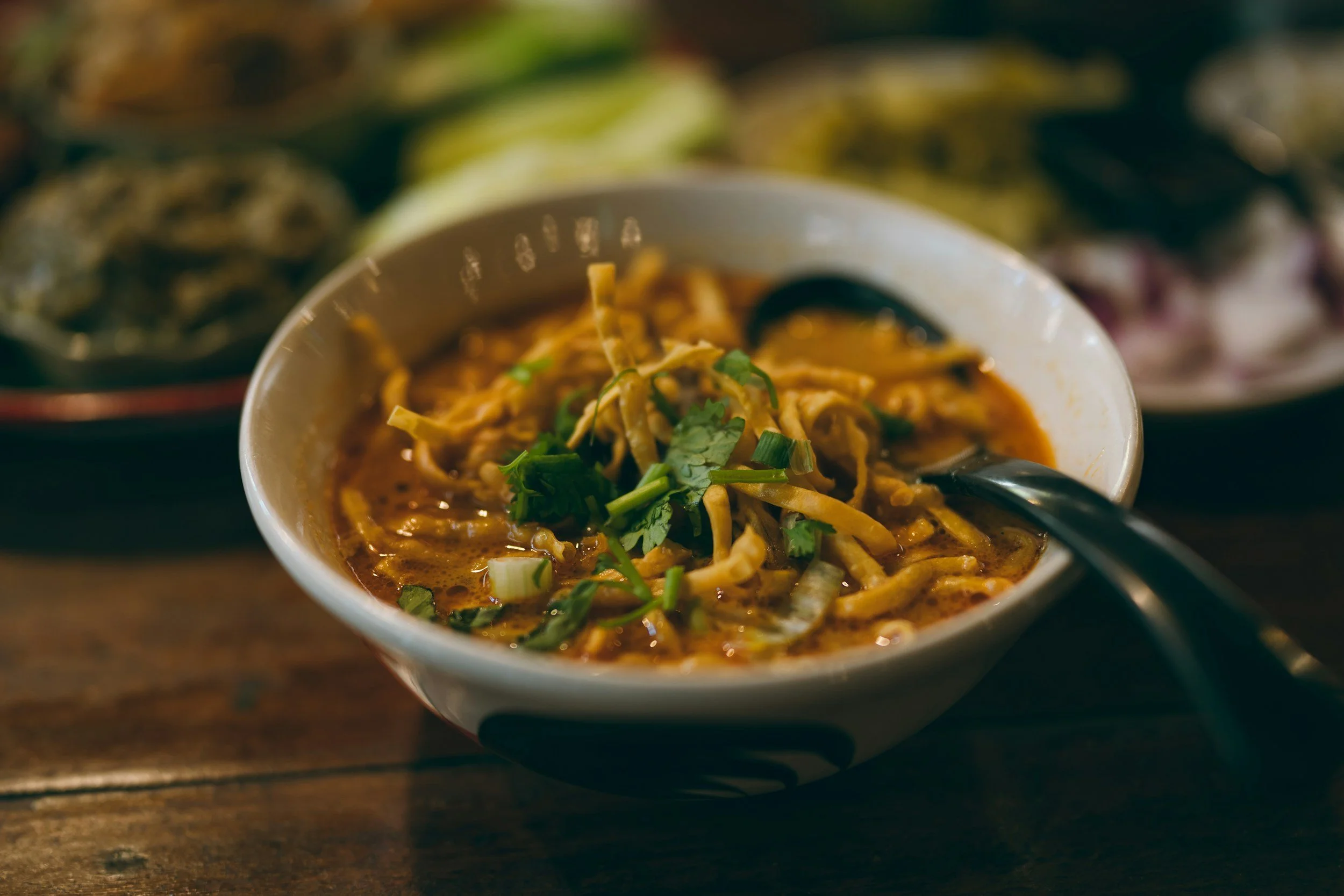
Khao Soi
Khao Soi is the signature dish of Northern Thailand and one of the most comforting bowls you can have in Chiang Mai. It is a rich coconut curry noodle soup made with egg noodles, slow cooked meat and a balance of creamy, spicy and slightly sweet flavors.
The base of Khao Soi is thick and aromatic with turmeric and curry paste. On top, you get crispy fried noodles that add texture to every bite. Khao Soi is usually served with chicken or beef, alongside pickled mustard greens, shallots, lime and chili oil so you can adjust the flavor yourself when eating Khao Soi.
Unlike many central Thai dishes, Khao Soi from Northern Thailand feels deeper and more layered. It is filling, warming and surprisingly balanced. Khao Soi is the essential introduction to Northern Thai cuisine, and you will find it at markets throughout Chiang Mai and Northern Thailand.
Sai Ua: Northern Thailand's Herbal Grilled Sausage
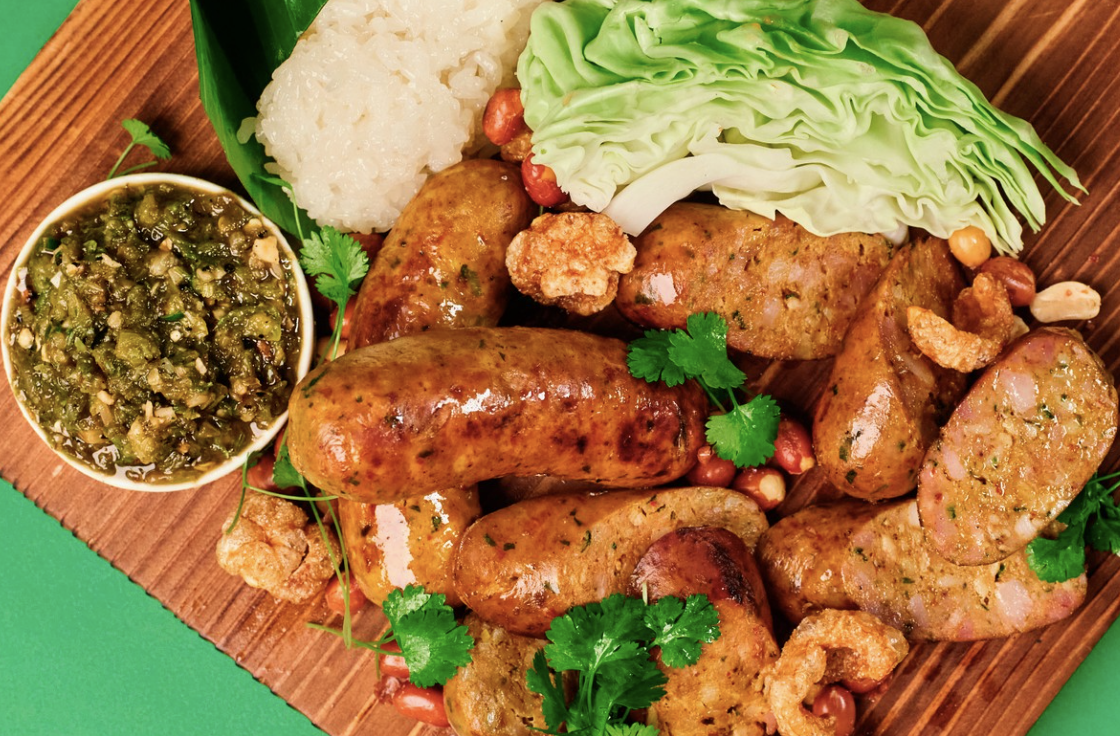
Sai Ua
Sai Ua is Northern Thailand's traditional grilled sausage and one of the region's most distinctive street food snacks. Unlike typical sausages, Sai Ua from Northern Thailand is packed with fresh herbs and spices that give it a bold, aromatic flavor unique to the north.
The mixture in Sai Ua usually includes minced pork, lemongrass, kaffir lime leaves, galangal, garlic and red curry paste. Sai Ua is grilled slowly over charcoal, which gives the outside a slight crisp while keeping the inside juicy. This slow grilling method is traditional throughout Northern Thailand.
Sai Ua is often served sliced into pieces with sticky rice and fresh vegetables on the side. It is savory, slightly spicy and deeply fragrant without being heavy. Sai Ua appears at most markets in Chiang Mai and throughout Northern Thailand, especially at morning markets and street food stalls.
Nam Prik Noom: Northern Thailand's Green Chili Dip
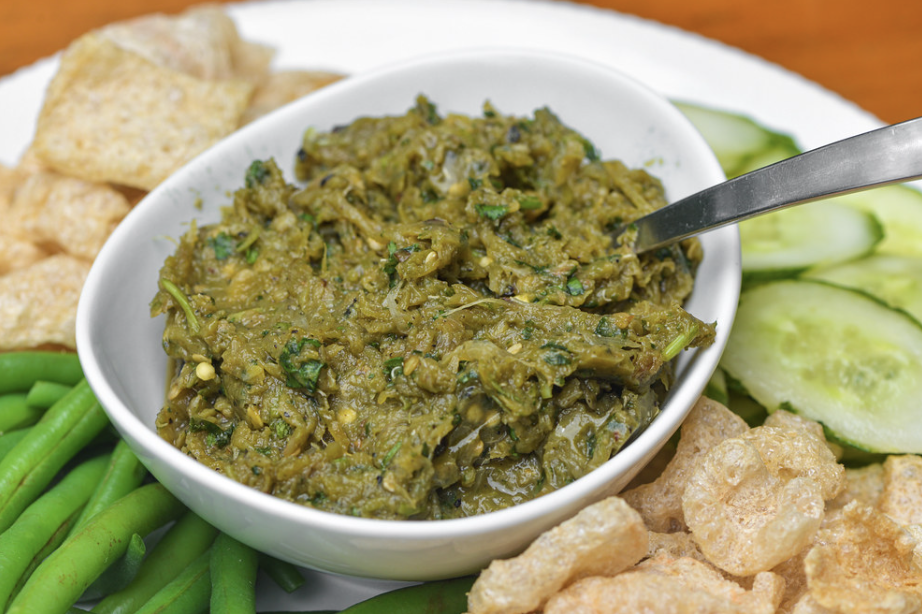
Nam Prik Noom
Nam Prik Noom is a classic Northern Thai chili dip that is simple yet full of flavor. It is made from grilled green chilies, garlic, and shallots, pounded together into a smoky, slightly spicy paste unique to Northern Thailand cuisine.
The taste of Nam Prik Noom is fresh and earthy rather than sharply hot. The grilling gives it depth, while the texture remains slightly coarse and rustic. Nam Prik Noom represents the essence of Northern Thai food culture: simple ingredients, bold flavors and a balance that feels natural.
It is usually served with sticky rice, fresh vegetables like cucumber and cabbage, and often alongside grilled pork or Sai Ua. The idea is to dip, scoop, and combine flavors in each bite. Nam Prik Noom is available at markets throughout Northern Thailand and Chiang Mai.
Gaeng Hang Lay: Slow Cooked Pork Curry from Northern Thailand
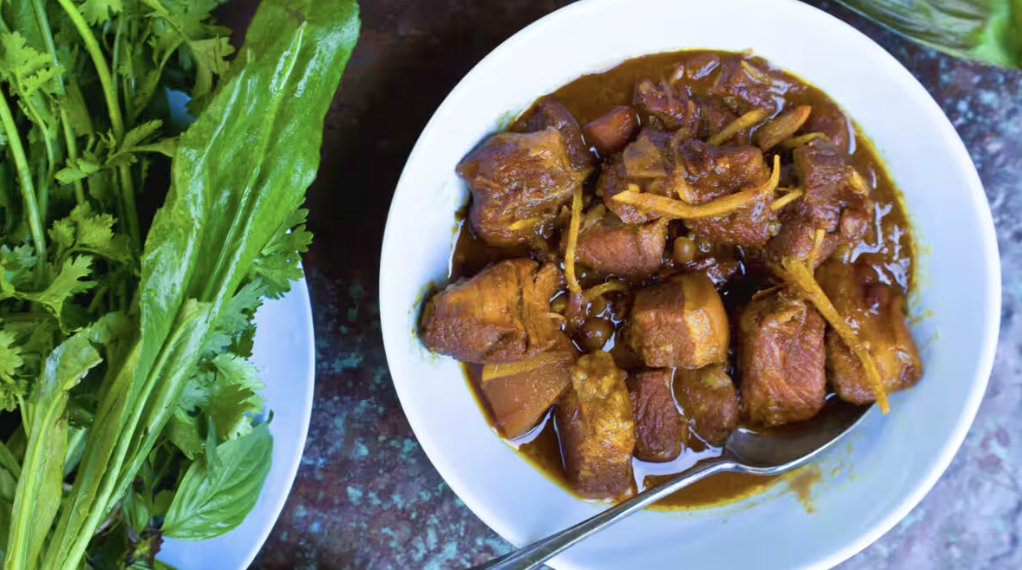
Gaeng Hang Lay
Gaeng Hang Lay is a slow cooked Northern Thai pork curry with deep, rich flavor and almost no coconut milk. Influenced by Burmese cuisine, this Northern Thailand dish tastes different from the typical Thai curries found in the south and central regions.
The dish is made with tender pork simmered in a paste of garlic, ginger, turmeric and dried spices, along with tamarind and palm sugar. The result is slightly sweet, mildly tangy and warmly spiced rather than sharply hot. Gaeng Hang Lay represents the slower, deeper side of Northern Thai cuisine.
The sauce is thick and coats the meat well, making it ideal to eat with sticky rice. It is a comforting, heavier dish often served during family gatherings and special occasions in Northern Thailand and Chiang Mai. Look for Gaeng Hang Lay at local restaurants in Chiang Mai rather than tourist areas to experience it authentically.
Nam Ngiaw: Northern Thailand's Red Noodle Soup
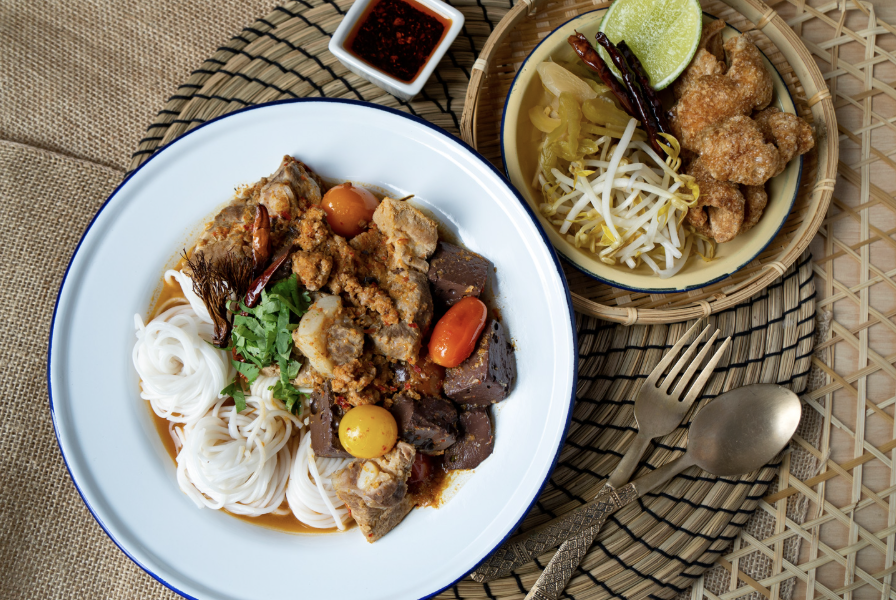
Nam Ngiaw
Nam Ngiaw is a Northern Thai noodle soup known for its deep red broth and layered flavor. It is lighter than coconut based curries but still rich and complex, representing another side of Northern Thailand's food depth.
The base of Nam Ngiaw is made from pork, tomatoes, and dried chilies, often with fermented soybean paste, which adds depth and a slight acidity to this Northern Thailand dish. The soup is usually served with thin rice noodles and topped with crispy pork skin, fresh herbs, bean sprouts and lime.
The flavor of Nam Ngiaw is savory, slightly tangy and moderately spicy without being overwhelming. You can adjust the heat and freshness at the table with extra chili, lime and pickled greens. Nam Ngiaw is less famous than Khao Soi but reveals the true depth of Northern Thai cuisine. Find it at night markets in Chiang Mai and across Northern Thailand.
Markets in Northern Thailand: Where to Experience Authentic Food Culture
Markets in Northern Thailand feel more regional and less commercial than in many other parts of the country. The food in Northern Thailand markets reflects Lanna traditions, local farming and seasonal ingredients rather than nationwide classics.
Street food in Northern Thailand also feels more community based. Morning markets in Chiang Mai and across Northern Thailand focus on fresh produce, curry pastes and ready-to-eat home-style dishes for locals. Night markets in Northern Thailand shift toward noodle soups like Khao Soi and Nam Ngiaw, Sai Ua sausages grilled over charcoal and simple desserts made from coconut and rice.
Another special detail of Northern Thailand markets is the slower rhythm. Vendors are often family run, recipes are passed down and regular customers return daily to the same stalls in Chiang Mai and Northern Thailand. The experience feels personal and connected to everyday life rather than performance driven.
Markets in Northern Thailand are not just about eating. They are about understanding the region through its ingredients, habits and shared meals. The morning and evening markets in Chiang Mai and throughout Northern Thailand are where Northern Thai food is strongest.
Northern Thailand Food Tips from Veloura
Eat Like Northern Thailand Eats Sticky rice replaces jasmine rice throughout Northern Thailand. Many dishes in Northern Thailand are designed to be shared and eaten by hand. Order a few plates for the table, add Nam Prik Noom, fresh vegetables and Sai Ua, and build your own bites. Northern Thai food is about a combination, not ordering one main dish per person.
Go Beyond Khao Soi in Northern Thailand Khao Soi is essential and the gateway to Northern Thai cuisine, but it is only the beginning of what Northern Thailand has to offer. Look for Gaeng Hang Lay, Nam Ngiaw or house made Sai Ua when you visit Chiang Mai and Northern Thailand. The depth of Northern Thai cuisine reveals itself in the slower, less famous dishes that locals in Northern Thailand eat daily.
Trust Local Markets for the Real Flavor in Northern Thailand Morning and evening markets in Northern Thailand often serve more authentic versions than restaurants in tourist areas of Chiang Mai and Northern Thailand. If you see locals lining up for a curry or grilled sausage stall in Chiang Mai, follow them. Northern Thai food is strongest where it feels part of daily routine, not performance.
Frequently Asked Questions About Northern Thai Cuisine
What makes Northern Thai food different from other Thai cuisines?
Northern Thai food is influenced by Lanna culture and neighboring Myanmar and Laos, making it distinct from central and southern Thai cuisine. Northern Thai dishes use sticky rice instead of jasmine rice, thicker curries with less coconut milk, and more grilled meats and fermented ingredients. The overall taste of Northern Thai food is earthy, balanced and comforting rather than sharply hot.
What is Khao Soi and why is it important in Northern Thailand?
Khao Soi is the signature dish of Northern Thailand and the essential introduction to Northern Thai cuisine. Khao Soi is a rich coconut curry noodle soup with egg noodles, meat, and crispy fried noodles on top. Khao Soi represents the depth and balance of Northern Thai food culture and is served throughout Chiang Mai and Northern Thailand.
What is Sai Ua in Northern Thailand food?
Sai Ua is Northern Thailand's traditional grilled sausage packed with fresh herbs and spices like lemongrass, kaffir lime leaves and galangal. Sai Ua is grilled slowly over charcoal and served with sticky rice and fresh vegetables. Sai Ua is one of the most distinctive street foods in Northern Thailand and Chiang Mai.
Where should I eat authentic Northern Thai food in Chiang Mai?
Morning and evening markets in Chiang Mai serve the most authentic Northern Thai food. Look for stalls where locals queue up. Local restaurants in Chiang Mai away from tourist areas also serve real Northern Thai dishes. Try Gaeng Hang Lay, Nam Ngiaw and Sai Ua in addition to Khao Soi when visiting Chiang Mai.
What is Nam Prik Noom in Northern Thailand cuisine?
Nam Prik Noom is a classic Northern Thai chili dip made from grilled green chilies, garlic and shallots pounded into a smoky paste. Nam Prik Noom is served with sticky rice, fresh vegetables and often grilled meat. The taste of Nam Prik Noom is fresh and earthy rather than sharply hot, representing the balance of Northern Thai food.
What is the difference between Khao Soi and Nam Ngiaw in Northern Thailand?
Khao Soi is a thick coconut curry noodle soup with a yellow base and is the more famous Northern Thai dish. Nam Ngiaw is a lighter red noodle soup without coconut milk but with deep, complex flavors from fermented ingredients. Both are essential Northern Thailand dishes but Nam Ngiaw reveals the deeper layers of Northern Thai cuisine.
Should I eat sticky rice in Northern Thailand?
Yes, sticky rice (khao glutinous) is the staple in Northern Thailand instead of jasmine rice. Sticky rice is served at almost every meal in Chiang Mai and Northern Thailand and is designed to go with the thick curries and dips that characterize Northern Thai food.
What is Gaeng Hang Lay and why is it important?
Gaeng Hang Lay is a slow cooked Northern Thai pork curry influenced by Burmese cuisine. Gaeng Hang Lay is made without coconut milk and features tamarind and palm sugar for a slightly sweet, mildly tangy flavor. Gaeng Hang Lay is a comforting Northern Thailand dish that reveals the depth beyond Khao Soi.
Where can I find the best street food in Northern Thailand?
Markets in Northern Thailand, especially in Chiang Mai, have the best street food. Morning markets in Chiang Mai serve fresh dishes for locals. Evening markets in Northern Thailand focus on noodle soups, grilled meats like Sai Ua, and desserts. Follow locals to the most popular stalls in Chiang Mai for authentic Northern Thai food.
How should I order and eat Northern Thai food?
Northern Thai food is designed to be shared. Order multiple plates for the table and build your own bites by combining sticky rice, Nam Prik Noom, fresh vegetables, grilled meat and other dishes. This is how people eat Northern Thai food in Chiang Mai and throughout Northern Thailand.
What other dishes should I try beyond Khao Soi in Northern Thailand?
Beyond Khao Soi, try Nam Ngiaw (red noodle soup), Gaeng Hang Lay (pork curry), Sai Ua (grilled sausage), and Nam Prik Noom (chili dip). These dishes reveal the true depth of Northern Thai cuisine in Chiang Mai and Northern Thailand.
Is Northern Thai food very spicy?
Northern Thai food is not sharply hot like some Thai cuisines. It emphasizes depth, herbs and balance over extreme spice. Dishes like Nam Prik Noom, Khao Soi and Gaeng Hang Lay from Northern Thailand are flavorful but can be adjusted for heat at the table with lime, chili and pickled greens.
Discover our hand selected restaurants in Chiang Mai and Northern Thailand in the app and experience the true taste of Northern Thailand.
We hope this guide made you hungry.
This guide is part of Veloura's local ambassador series authentic Northern Thailand neighborhood guides written by people who actually live here. Discover more at veloura-gems.com.
Veloura App
There is more to explore.
Bangkok, Koh Phangan and Northern Thailand, beyond the obvious.
