
Everything You Need to Know About Eating in Thailand
By Timo Eckenfels, Veloura Gems
Thai food does not ease you in gently. It introduces itself with confidence and then dares you to keep up.
This guide covers what Thai food actually is, how Thai people eat it, when they eat it, what to order, and how to avoid the mistakes that keep most visitors on the surface of one of the world's great food cultures. Written by someone living in Thailand .. not just passing through.

Your Local Ambassador
Timo Eckenfels
Timo was born and raised in Southwest Germany and has been living in Bangkok since 2024. A passionate traveler for more than 20 years, he first visited Bangkok back in 2008 and has spent years since exploring the city in depth, from its hidden street food corners to its evolving creative neighborhoods and the rhythm of daily life here.
The first time I sat down in front of a plate of Som Tum (Papaya Salad) in Thailand, I watched the woman in the kitchen carefully separate the chillies before adding them to the mortar. She looked over at me and asked one word. Pet. Spicy.
I said no thank you, not too spicy please.
She smiled and added two or three anyway - which is actually less for a Thai person.
My lips started burning before I had finished the first bite. Not unpleasantly. Just intensely, in a way that made everything else taste different afterwards. That was my introduction to Thai food. And honestly it was the perfect one.
Thai food does not ease you in gently. It introduces itself with confidence and then dares you to keep up.
- What Thai food actually is, beyond Pad Thai
- How Thai people eat: the sharing culture most visitors miss
- What to order, from Pad Kra Pao to Moo Krob to Som Tum
- How to navigate street food stalls and local restaurants
- A realistic price guide from 50 Baht to fine dining
What Thai Food Actually Is: Beyond Pad Thai
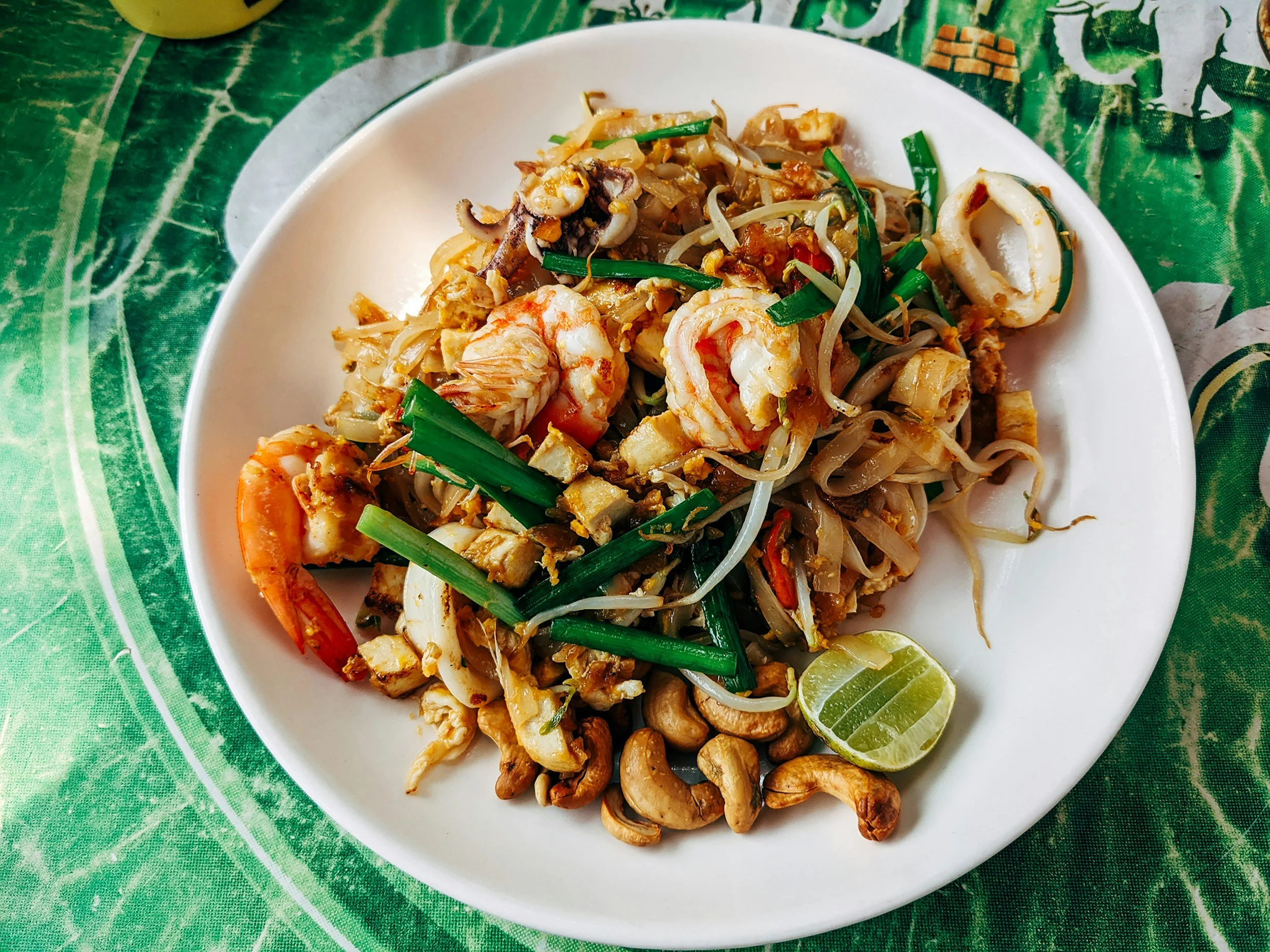
Pad Thai
Most visitors arrive in Thailand with one reference point for Thai food. Pad Thai.
Pad Thai is fine. It is not bad. But if Pad Thai is the only Thai dish you eat while you are here, you have missed almost everything. It is the most internationally recognizable dish precisely because it is the least challenging. It was designed in the mid twentieth century to be accessible. It succeeded. And now it crowds out the rest of the menu for people who do not know where to look.
The dishes that actually define Thai cooking are things like Pad Kra Pao (stir fried minced meat with Thai basil and fish sauce, served over rice with a fried egg sunny side up). This is what Thai people eat for breakfast, lunch, and dinner. It is the dish that tells you everything about how Thai food works: Fast, intense, built around contrasting flavors, and deeply satisfying in a way that is hard to explain until you have had a good version of it.
Or Moo Krob (crispy pork belly with Thai basil). The skin rendered until it shatters and the meat underneath still soft. This is the dish I recommend to everyone who asks me what to try. Most of them come back and order it again the next day.
Or Laab (minced meat salad with toasted rice powder, fish sauce, lime, fresh herbs, and dried chilli). It is a northeastern dish that has spread across the whole country and is still somehow underrated everywhere outside of Thailand. Sun dried pork, or Moo Dad Deaw, is the same story. Intensely flavored, chewy, often served with sticky rice and a Som Tum on the side.
Thai food rewards curiosity. The further you move from the familiar, the better it gets.
How Thai People Actually Eat: The Sharing Culture Most Visitors Miss
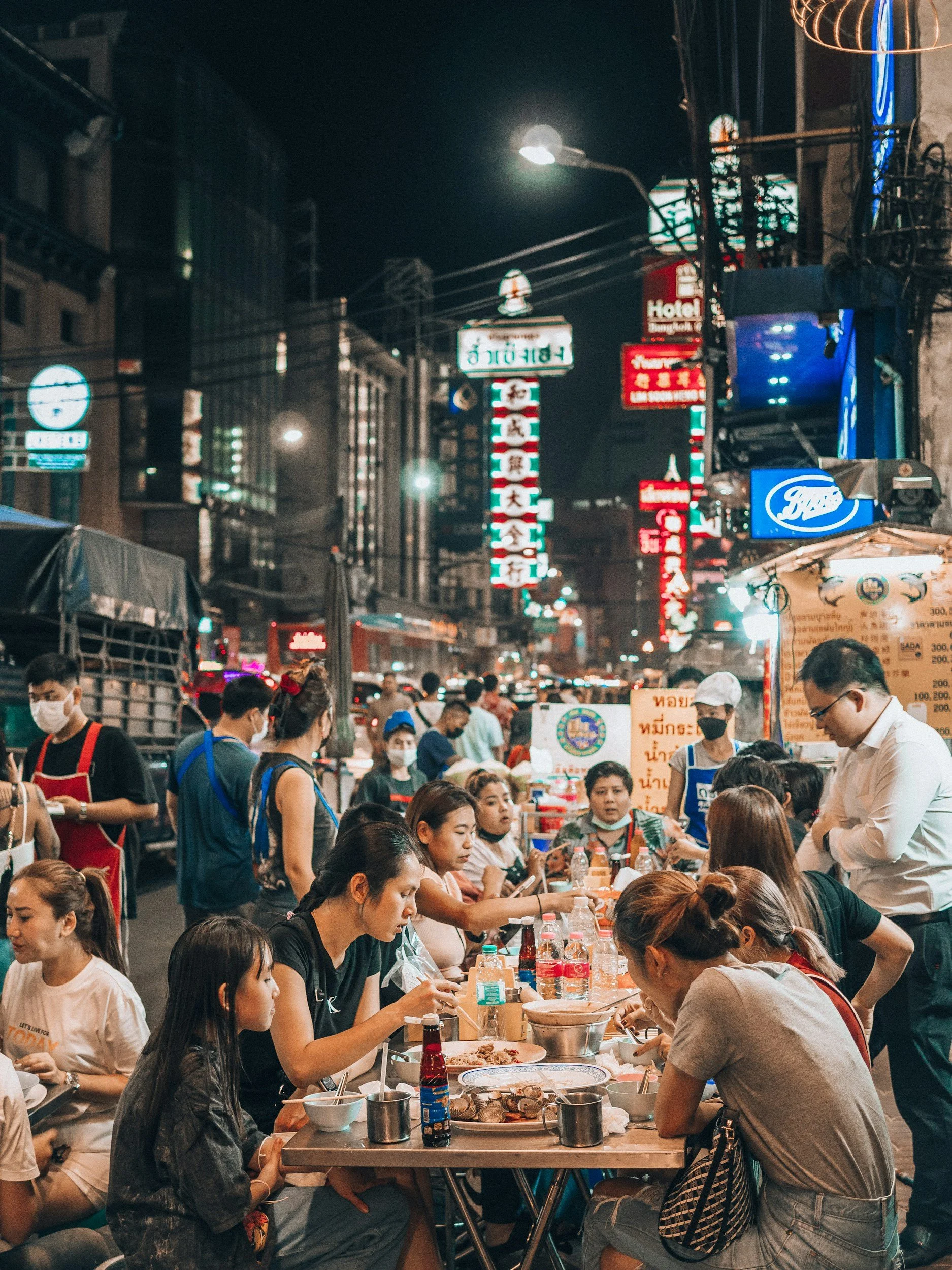
Typical Thai Dinner Style
This is the part that changes everything once you understand it.
Most of the time, Thais order several dishes for the whole table and share everything. It works exactly like tapas. You put a small amount of each dish on your plate at a time, try everything, go back for more of what you loved. The Khao (rice) is the constant. Everything else rotates around it.
When you eat Thai food this way, a meal becomes a completely different experience. You taste more. You discover more. You eat slower because you are paying attention to what is in front of you rather than working through a single plate.
The other thing to understand is that dishes do not arrive together. Thai kitchens send food out as it is ready. Your soup might come first, then your stir fry, then your salad ten minutes later. This is not a mistake or bad service. It is simply how Thai restaurants work. Relax, eat what arrives, and the rest will follow.
Do not take large amounts from shared dishes in one go. A little at a time, go back when you want more. It sounds simple, but it is the single biggest difference between eating Thai food well and eating it like a tourist.
When Thai People Eat: A Day of Food in Thailand
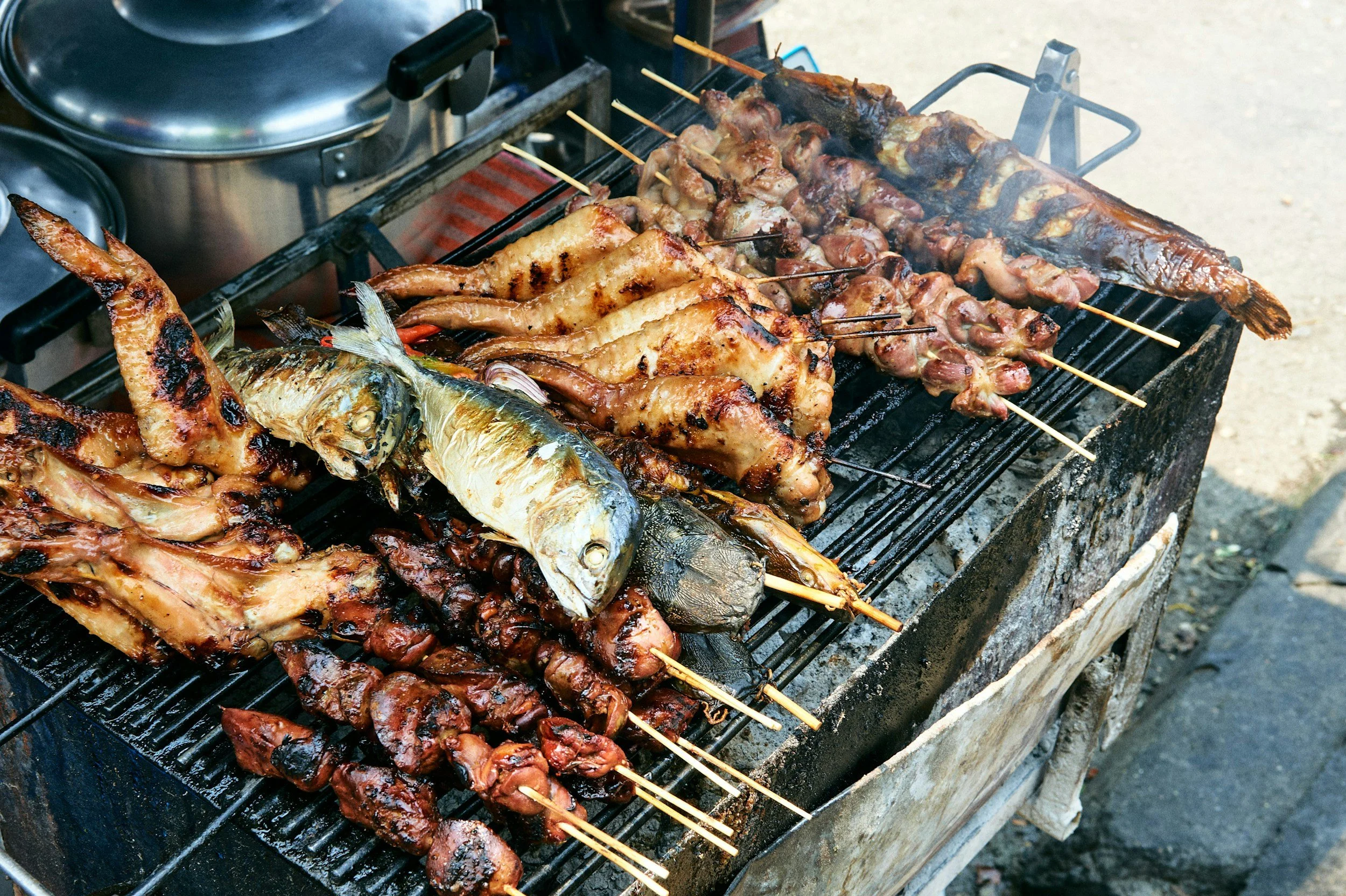
Typical Breakfast in Thailand
Thai people eat constantly and at hours that would surprise most Western visitors.
Breakfast starts early and it is not what you expect. Moo Ping (grilled pork skewers) eaten with Khao Niao (sticky rice) is one of the most common breakfasts in the country. You find it at roadside stalls from around six in the morning, smoke rising off the charcoal, the smell reaching you before you see the cart. This is normal breakfast food here. Not unusual. Not street food as a novelty. Just breakfast.
Khao Tom (rice soup) is another common morning meal. A simple broth with rice cooked until soft, topped with minced pork or fish and a few garnishes. Clean and gentle and nothing like what most visitors expect to eat before nine in the morning.
Lunch happens early, around eleven or twelve, and usually at a local restaurant or food court. A single dish over rice, eaten quickly, back to work.
Dinner is more relaxed. The table is bigger, the order is longer, the pace slower. This is when the sharing culture is most visible. A Thai family at dinner will have four or five dishes between them, rice in the middle, conversation running through all of it.
And then there is eating between meals, which happens all the time. A grilled corn on the way somewhere. A fruit shake mid afternoon. A bag of Mamuang (mango) with chilli sugar from a cart outside a 7-Eleven. Thai people snack constantly and the infrastructure for it is everywhere.
What to Order
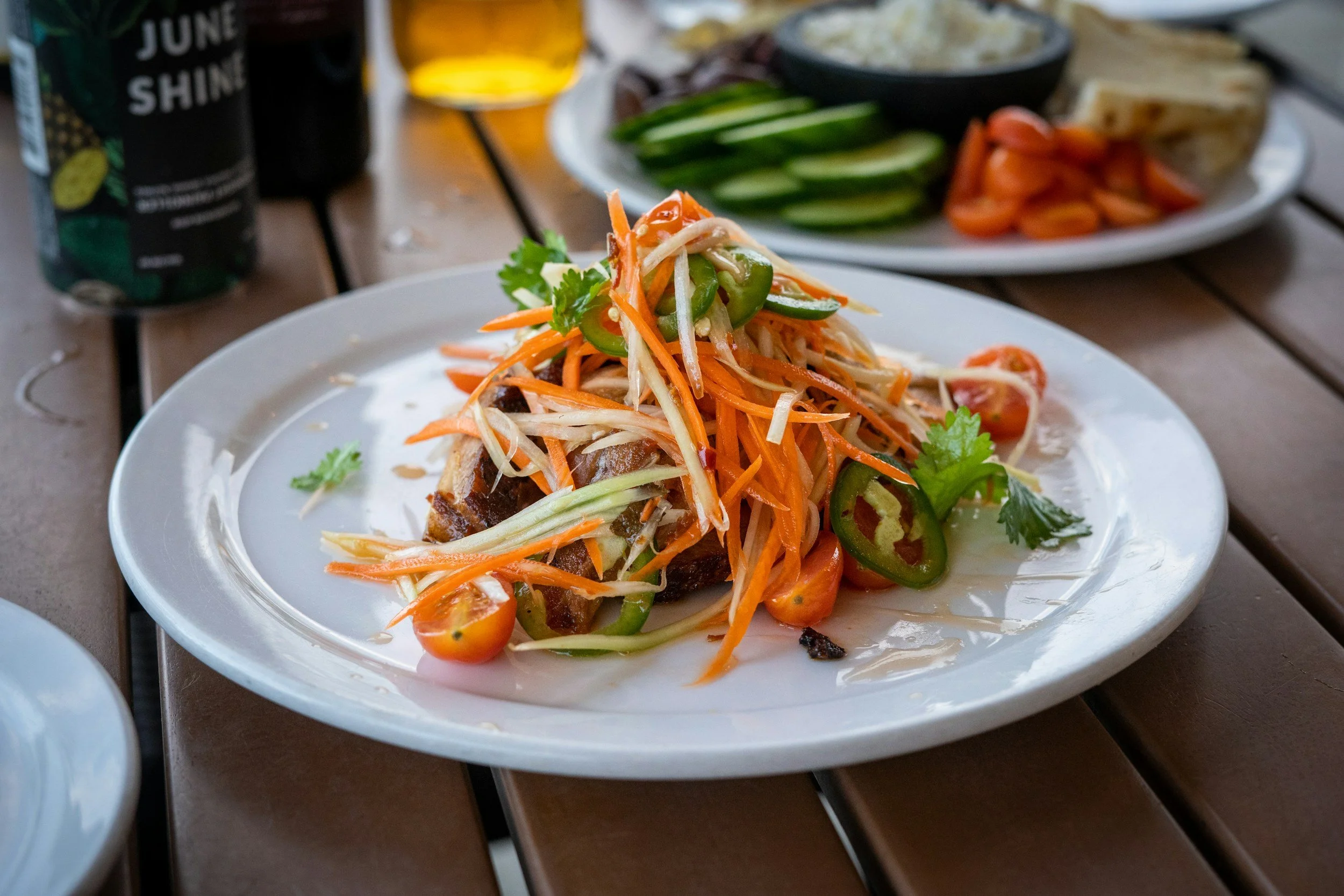
Som Tum (Papaya Salad)
Start here if you are new
Pad Kra Pao (Thai Basil Stir Fry) Minced meat stir fried with Thai basil and fish sauce, served over rice with a Kai Dao (fried egg sunny side up) on top. This is the entry point. Every Thai restaurant makes it, it costs almost nothing, and it tells you immediately whether a kitchen knows what they are doing.
Moo Krob (Crispy Pork Belly) Crispy pork belly with Thai basil. The skin shatters, the meat is soft underneath. Order it whenever you see it on the menu. This is the dish most people come back for the next day.
Som Tum (Papaya Salad) Shredded green papaya, tomatoes, green beans, peanuts, lime, fish sauce, and chilli, pounded together in a mortar. Ask for “pet nit noi” (a little spicy) unless you know what you are doing. The version with Pu Dong (fermented crab) is more intense and worth trying once you have the basic version under your belt.
Khao Man Gai (Poached Chicken Rice) Poached chicken served over rice cooked in chicken stock, with a rich dark sauce and a bowl of broth on the side. One of the most satisfying simple meals in Thai cuisine and consistently underrated by visitors.
Laab (Minced Meat Salad) Minced meat, toasted rice powder, fish sauce, lime, fresh herbs and dried chilli. Order it with Khao Niao (sticky rice). One of the most distinctively Thai dishes you can eat and somehow still underappreciated outside the country.
Moo Ping (Grilled Pork Skewers) Grilled pork on bamboo skewers, marinated in coconut milk, fish sauce, and palm sugar. Eaten for breakfast with sticky rice but genuinely good at any hour.
A note on Tom Yam (Spicy Lemongrass Soup)
Tom Yam took me a while. Not because of the flavor, which is extraordinary once you understand it, but because of the ingredients floating in the broth that are not meant to be eaten. The Kha (galangal), which looks like ginger but is not ginger, goes into the soup for flavor only. You push it to the side. Same with the Takrai (lemongrass). Once I understood this, Tom Yam became one of my favorite things to eat anywhere. Before that it was a game of hide and seek & I kept losing…
If Tom Yam feels like too much to start, try Tom Kha (coconut milk soup with galangal and lemongrass) first. Softer, slightly sweet, deeply aromatic. A gentler introduction to the same flavors.
What is overrated
Pad Thai. It is not bad. But there is so much more to try and Pad Thai takes up the space that better dishes could fill. If you have eaten Pad Thai already, move on.
How to Eat Street Food in Thailand: What to Look For
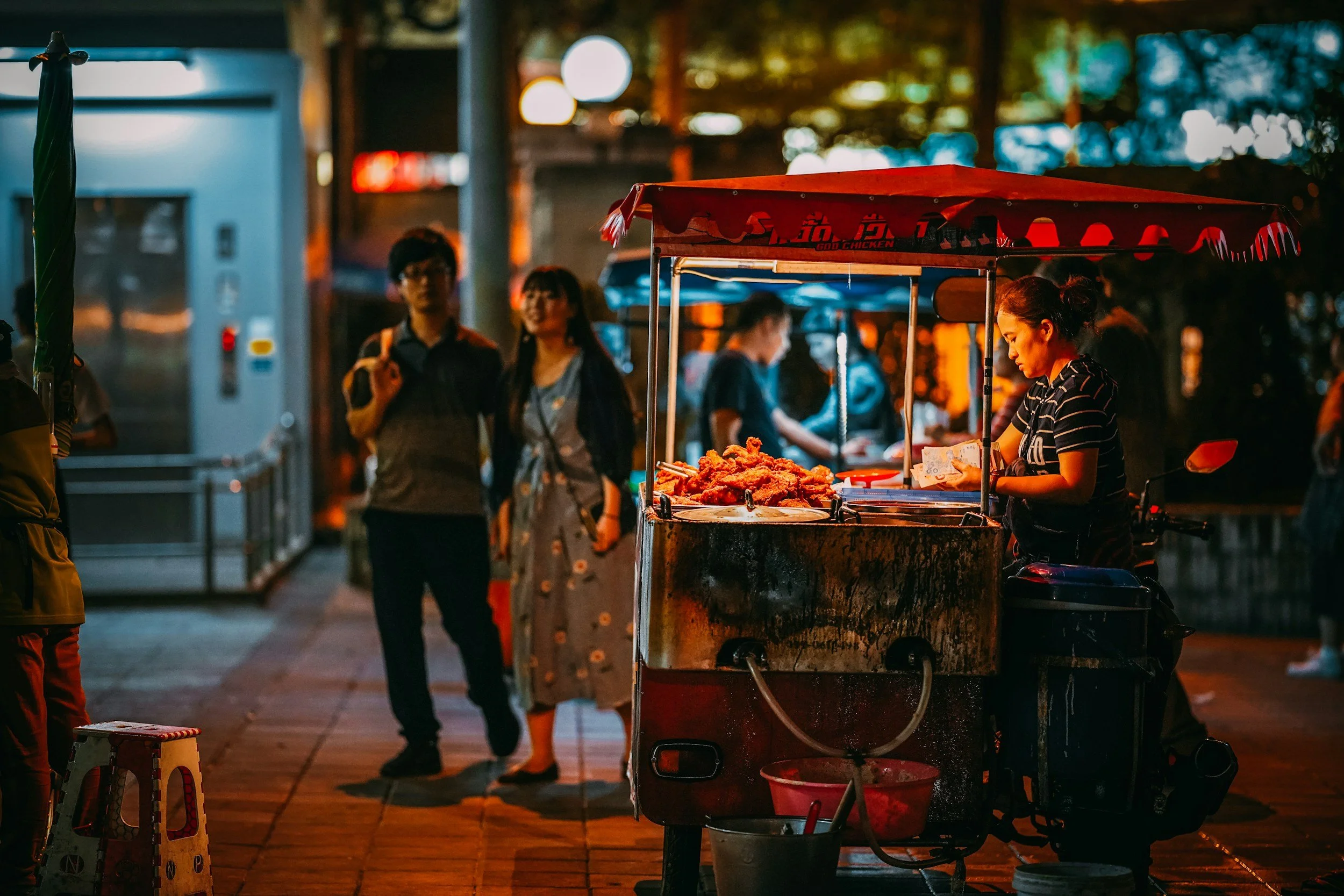
Streetfood Vendor in Bangkok
Street food in Thailand is not a backup option for when restaurants are closed. It is often the best food available anywhere in the city or on the island.
The signs to look for are simple. A queue of Thai people. A cart that has clearly been in the same spot for a long time. A menu with very few items on it.
Always have cash. Street food vendors almost never take cards. Prices run around 60 to 100 Baht for a full plate of Pad Kra Pao or a bowl of Guay Teow (noodle soup). A fruit shake is around 50 to 60 Baht. A skewer of Moo Ping costs almost nothing.
Say pet nit noi if you want a little spice without losing control. Mai pet means not spicy, which technically works but sometimes removes the soul from the dish entirely.
How to Order in a Thai Restaurant: What Locals Actually Do
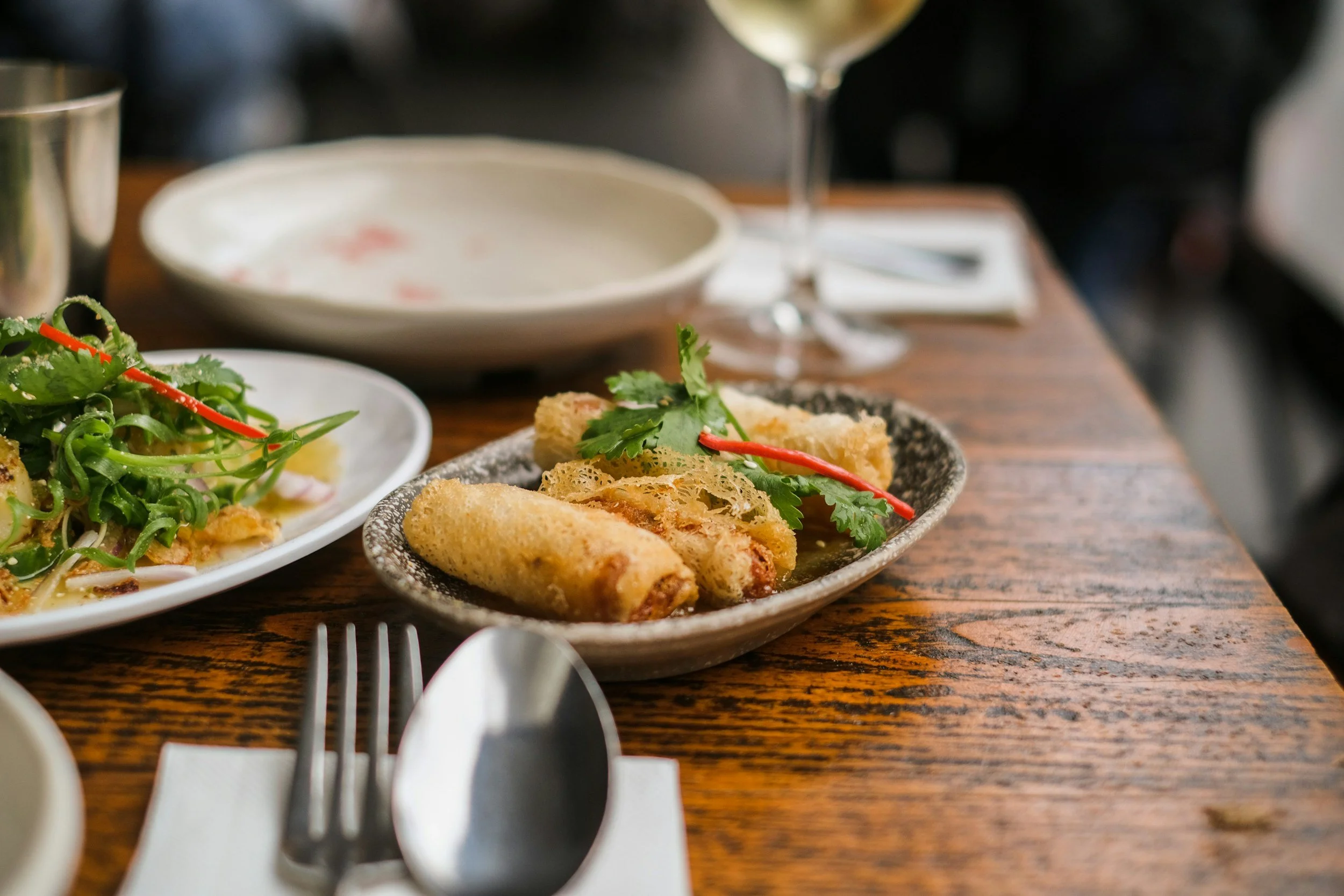
Oranuch, Bangkok
Sit down restaurants in Thailand range from local shophouses charging 80 Baht for a plate of rice and curry to proper dining rooms where dinner for two costs 2,000 Baht or more.
Order three or four dishes between two people. Khao (rice) separately. Ask for everything to come when it is ready rather than all at once, because it will come when it is ready regardless.
Fish sauce and Prik (chilli) are almost always on the table in some form. Use them carefully until you understand your own tolerance. The sugar on the table is also common, particularly in central Thai cuisine where dishes trend slightly sweeter than in other regions. Also be aware that in most of the Thai dishes is sugar added.
Tipping is not mandatory in Thailand but it is appreciated. In local restaurants, leaving the small change is enough. In nicer restaurants, ten percent is generous and always welcomed. But always check the bill - service charge will be added most of the time.
What Not to Do
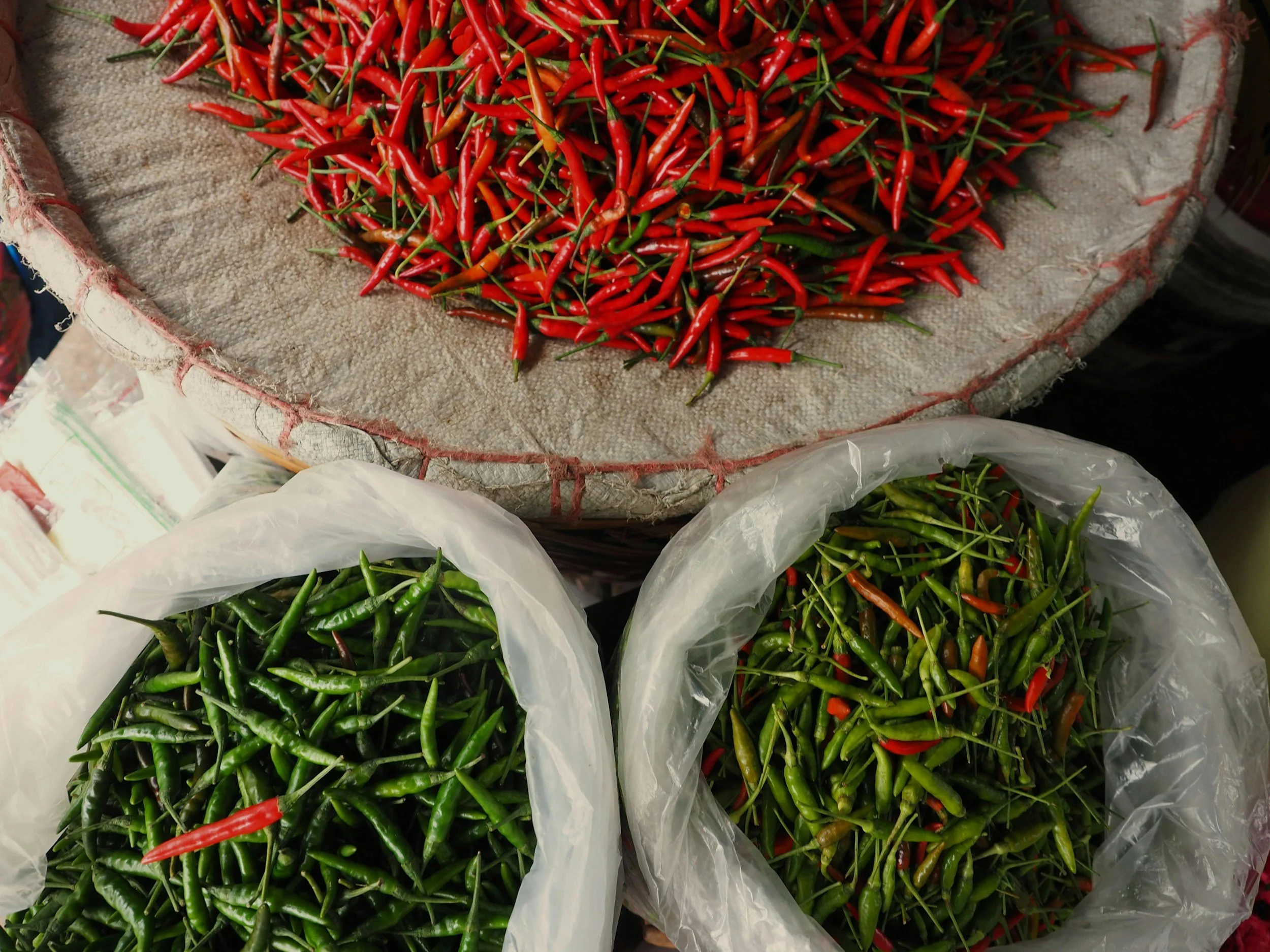
The red and green devils
Do not pour soy sauce over everything. It is there for specific dishes and using it indiscriminately changes the intended flavors completely.
Do not expect dishes to arrive at the same time. If you keep asking where the rest of the food is, you will frustrate everyone including yourself.
Do not order one dish each and eat separately. You will miss the entire point of how Thai food is meant to be experienced.
Ask the staff what they recommend. They will tell you something better and they will appreciate the question.
Do not be afraid of spice but be honest about your tolerance. Pet nit noi and meaning it is better than saying mai pet and getting a dish that was designed to have heat. The spice is not decoration. It is part of the balance.
Thai Desserts Worth Trying: What to Order After the Meal
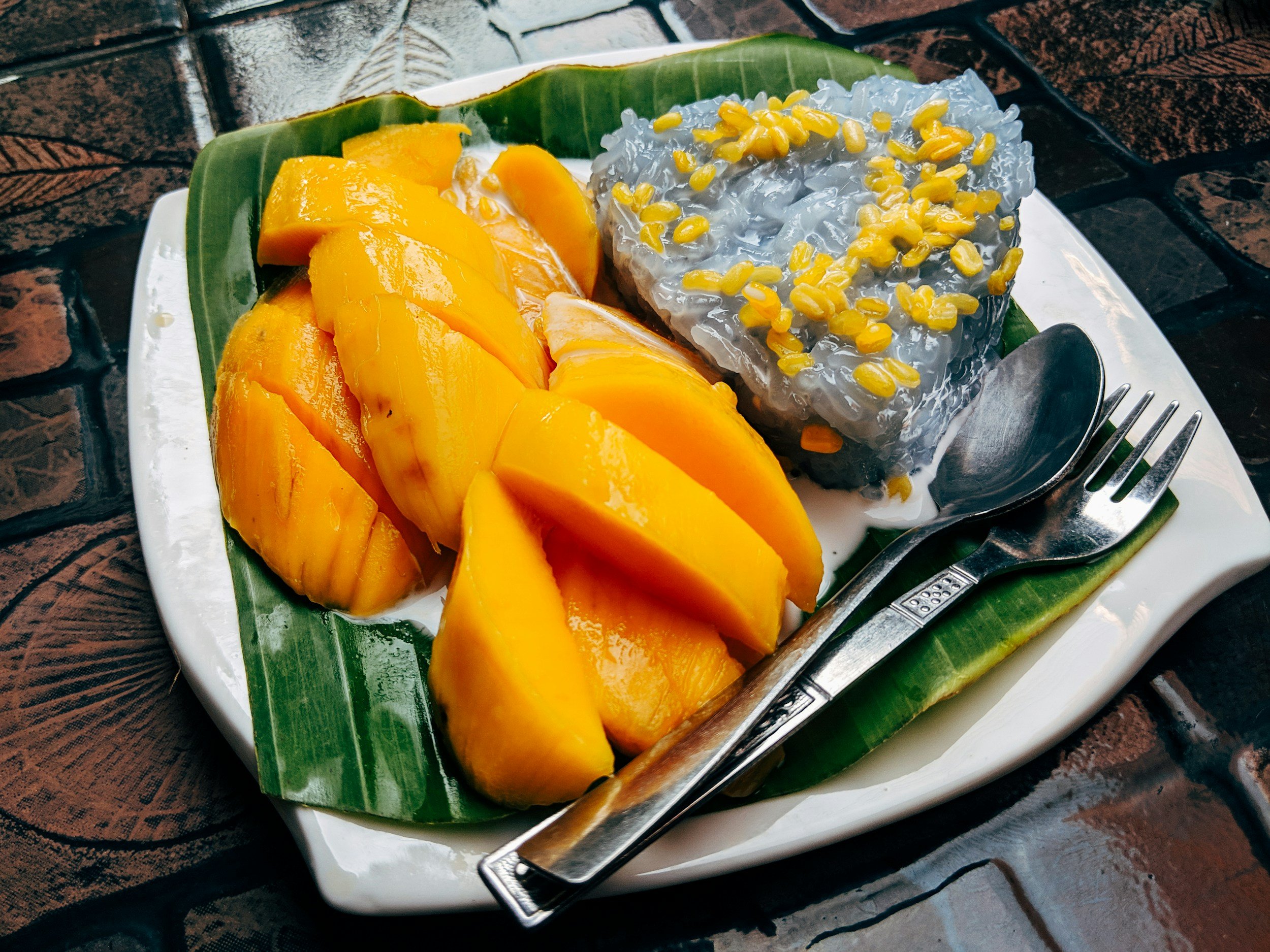
Mango Sticky Rice
Thai desserts deserve attention of their own.
Khao Niao Mamuang (Mango Sticky Rice) Ripe mango, coconut milk sticky rice, a sprinkle of sesame seeds. It sounds simple and it is, which is why every version tastes slightly different depending on the quality of the mango and how the coconut milk was prepared. The best versions are found at market stalls, not restaurants.
Khanom Krok (Coconut Pancakes) Small coconut milk pancakes cooked in a cast iron pan, crispy on the outside and soft and slightly sweet in the middle. Found at morning markets and night markets and best eaten warm, straight from the pan.
Tab Tim Grob (Water Chestnut Dessert) Water chestnuts coated in tapioca flour and dyed red, served in sweetened coconut milk over ice. It looks unusual and tastes extraordinary on a hot afternoon.
Kluay Buat Chi (Banana in Coconut Milk) Bananas simmered in sweetened coconut milk. Simple, warm, and one of the most comforting things you can eat after a long day outside.
And the fruit. Mamuang (mango), Malako (papaya), Mangkhut (mangosteen), Ngaw (rambutan), and Turian (durian) if you are feeling brave. The fruit in Thailand is fresher and more intensely flavored than almost anywhere else. Eat it constantly.
How Much Does Food Cost in Thailand? A Realistic Price Guide
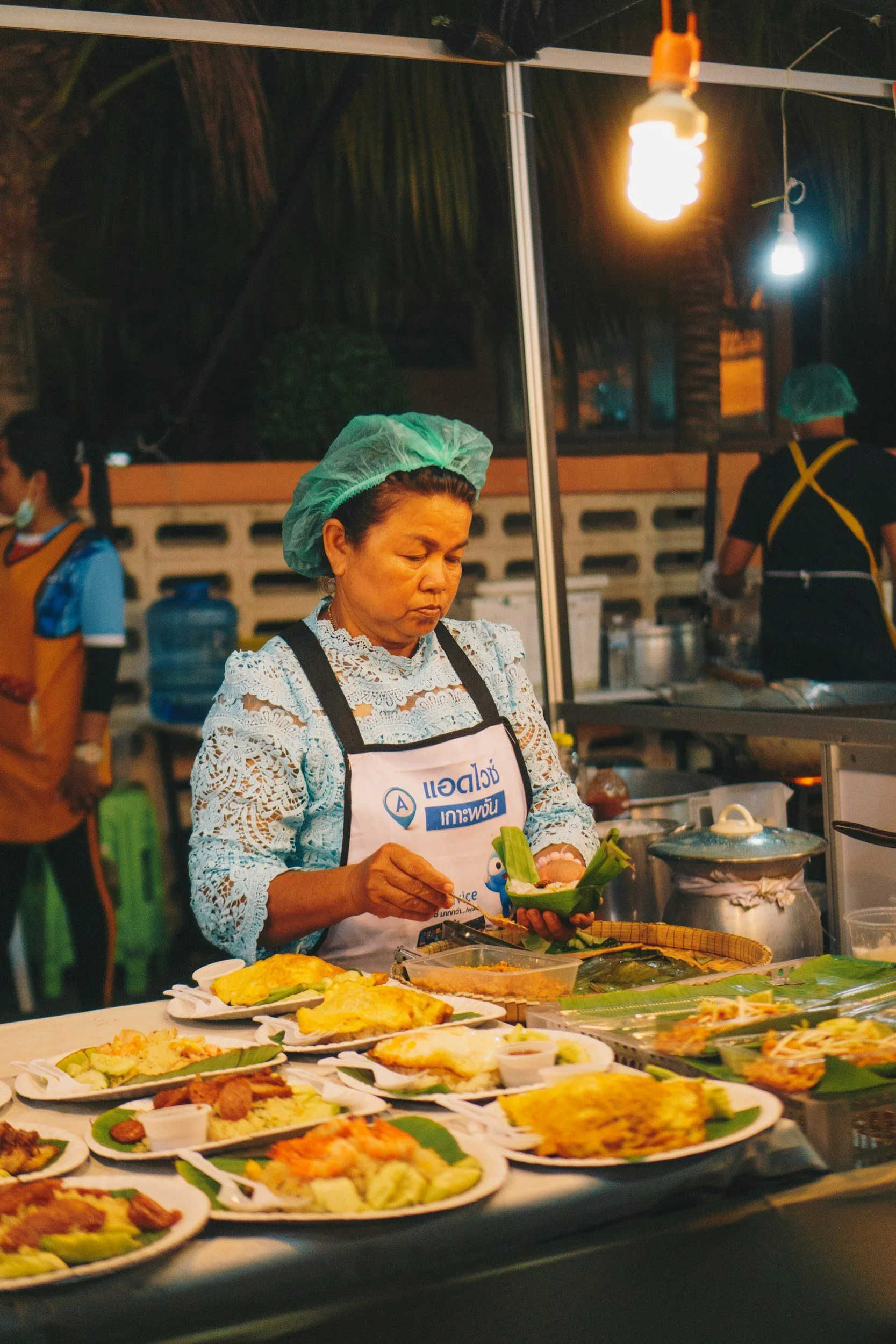
Thailand is famous for their Streetfood
Street food and market stalls: 50 to 100 Baht per dish. A full meal including a drink rarely costs more than 150 Baht.
Local neighborhood restaurants: 150 to 300 Baht per dish. A shared meal between two people with rice and drinks lands around 400 to 600 Baht total.
Mid range restaurants with a proper setting: 300 to 600 Baht per dish. Dinner for two with drinks around 1,200 to 1,800 Baht.
Higher end dining: 600 Baht and above per dish. Bangkok in particular has a dining scene that competes with any major city in the world.
The important thing to remember is that price has almost no relationship to quality in Thailand. Some of the best food you will eat here costs 80 Baht and comes on a plastic tray with a fork and spoon. Do not let the setting tell you what the food is going to taste like.
Final Thoughts
Thai food changed how I think about eating.
Not just because of the flavors, which are extraordinary. But because of the culture around the table. The sharing, the timing, the constant movement between dishes. It is a more social and more generous way to eat than anything I grew up with.
The best advice I can give is to move past what is familiar as quickly as possible. Pad Thai is fine for one meal. After that, point at what looks good, say pet nit noi, and see what arrives.
The dish that burns your lips on the first bite will probably become your favorite before the trip is over.
It did for me.
Quick Reference
Must try: Pad Kra Pao, Moo Krob, Laab, Som Tum, Khao Man Gai, Moo Ping, Khao Niao Mamuang
Skip: Ordering Pad Thai every meal, there is so much more
Street food budget: 50 to 100 Baht per dish
Restaurant budget: 150 to 300 Baht per dish
Eat like a local: Order several dishes, share everything, eat a little at a time, let the Khao (rice) be the constant
Spice: Pet nit noi means a little spicy. Mai pet means no spice. Start with pet nit noi.
Not edible in soups: Kha (galangal) and Takrai (lemongrass) are for flavor only. Push them to the side.
Ambassador Notes
- Order several dishes for the table instead of one per person. Thai food is designed to be shared, and you will understand the cuisine much better this way.
- Start with “pet nit noi” if you are unsure about spice. Saying “mai pet” often removes too much of the intended flavor balance.
- If a place looks too simple to be good, that is often a good sign. Some of the best meals happen in places you would normally walk past without noticing.
- Eat slower than you think you should. Not because of etiquette, but because there is always another dish arriving and something new to try.
Frequently Asked Questions: Eating in Thailand
What should I eat in Thailand as a first-time visitor?
Start with Pad Kra Pao, stir fried minced meat with Thai basil and fish sauce, served over rice with a fried egg. It's what Thai people eat for breakfast, lunch, and dinner, and it immediately shows you how Thai flavors work. After that: Moo Krob (crispy pork belly), Som Tum (papaya salad), and Khao Man Gai (poached chicken rice). Skip Pad Thai for your second meal and you will discover a much more interesting cuisine.
How spicy is Thai food?
Thai food can be very spicy, but you have control over it. When ordering, say "pet nit noi" (a little spicy) to get flavor without overwhelming heat. "Mai pet" means no spice, but this sometimes removes too much of the dish's intended balance. Street food vendors and local restaurants will adjust for you. Just be honest about your tolerance.
How do Thai people eat? Do they order individual dishes?
No. Thai people almost always order several dishes for the whole table and share everything. It works like tapas: a small amount of each dish on your plate at a time, rice as the constant, and everyone goes back for more of what they loved. Dishes also do not arrive at the same time. Thai kitchens send food out as it is ready. This is not bad service. It is how Thai restaurants work.
What is the best street food in Thailand?
Some of the best street food in Thailand includes Moo Ping (grilled pork skewers eaten for breakfast with sticky rice), Pad Kra Pao from a wok cart, Guay Teow (noodle soup), and Som Tum from a mortar-and-pestle vendor. The signs of a good street food stall: a queue of Thai people, a cart that has been in the same spot for years, and a menu with very few items on it.
How much does food cost in Thailand?
Street food and market stalls typically cost 50 to 100 Baht per dish. A full meal with a drink is rarely more than 150 Baht. Local neighbourhood restaurants charge 150 to 300 Baht per dish. Mid-range restaurants with a proper setting run 300 to 600 Baht per dish. The important thing to know: price has almost no relationship to quality in Thailand. Some of the best meals cost 80 Baht and come on a plastic tray.
What is the difference between Tom Yam and Tom Kha?
Tom Yam is a spicy, clear lemongrass soup, intensely aromatic and bold. Tom Kha is made with coconut milk, giving it a softer, slightly sweet flavor with the same lemongrass and galangal base. Both contain ingredients that are not meant to be eaten. Galangal (Kha) and lemongrass (Takrai) go in for flavor only and should be pushed to the side. If Tom Yam feels like too much to start with, Tom Kha is the gentler introduction to the same flavors.
What should I not do when eating in Thailand?
Do not order one dish each and eat separately. You will miss the entire point of how Thai food is meant to be experienced. Do not pour soy sauce over everything. Do not expect dishes to arrive at the same time. And do not eat only Pad Thai. It is the least representative dish of what Thai cooking actually is. Ask staff what they recommend. They will tell you something better.
This guide is part of Veloura's local ambassador series — authentic Thailand travel guides written by people who actually live here. Explore more at veloura-gems.com.
Veloura App
There is more to explore.
Bangkok, Koh Phangan and Northern Thailand, beyond the obvious.
