
Learn more about Thai Culture
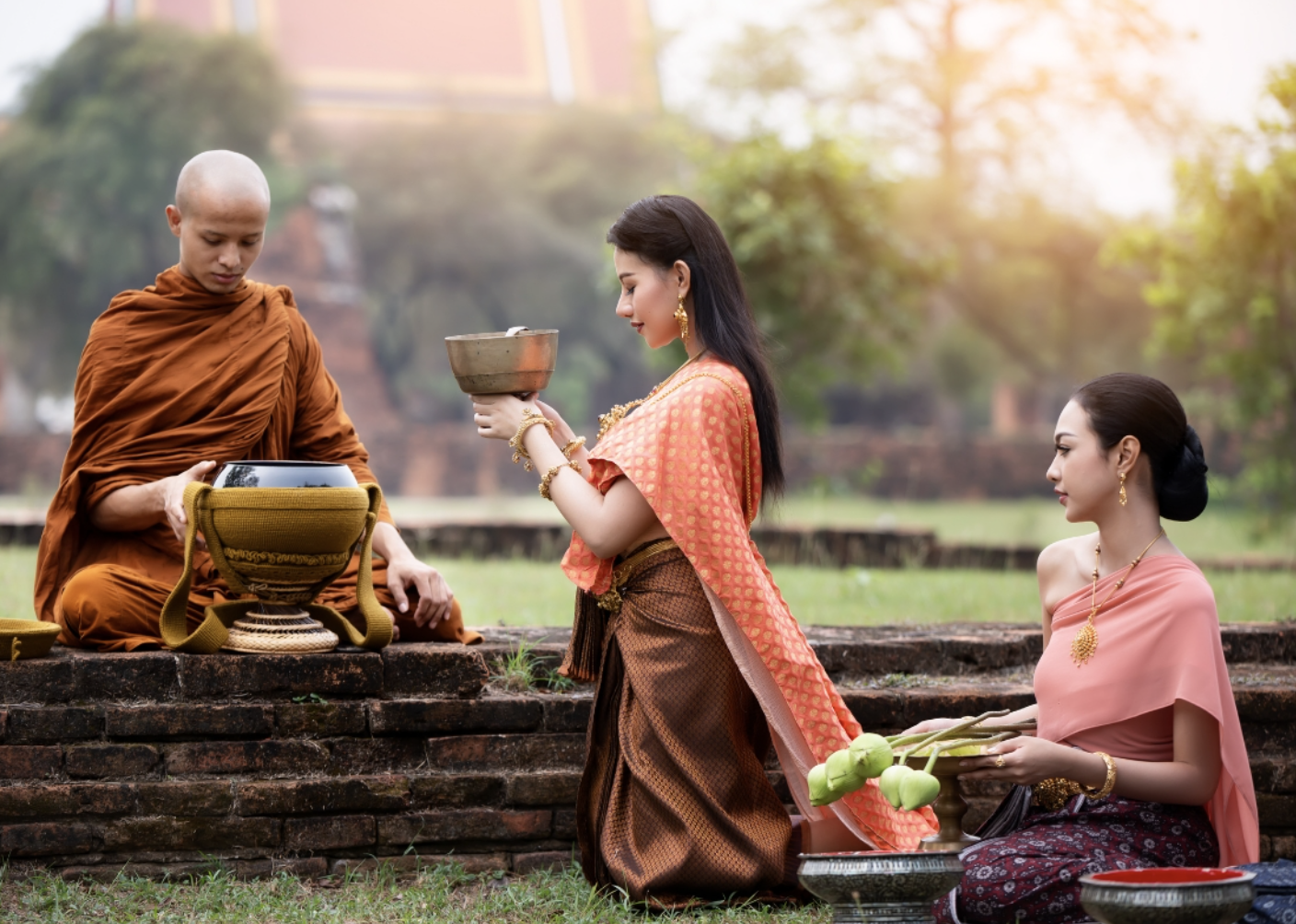
Thailand is generous, welcoming and warm. But it is also deeply nuanced.
The culture is subtle. Respect is expressed quietly. Hierarchy exists, but softly. Social harmony is valued more than individual dominance. Most visitors never intend to offend, yet small unconscious gestures can sometimes signal carelessness rather than curiosity.
This is not a rulebook.
It is a guide to moving through Thailand with awareness, elegance and ease.
Tips Overview
Contents
Thai Culture Basics: Understanding the High and Low Body Concept
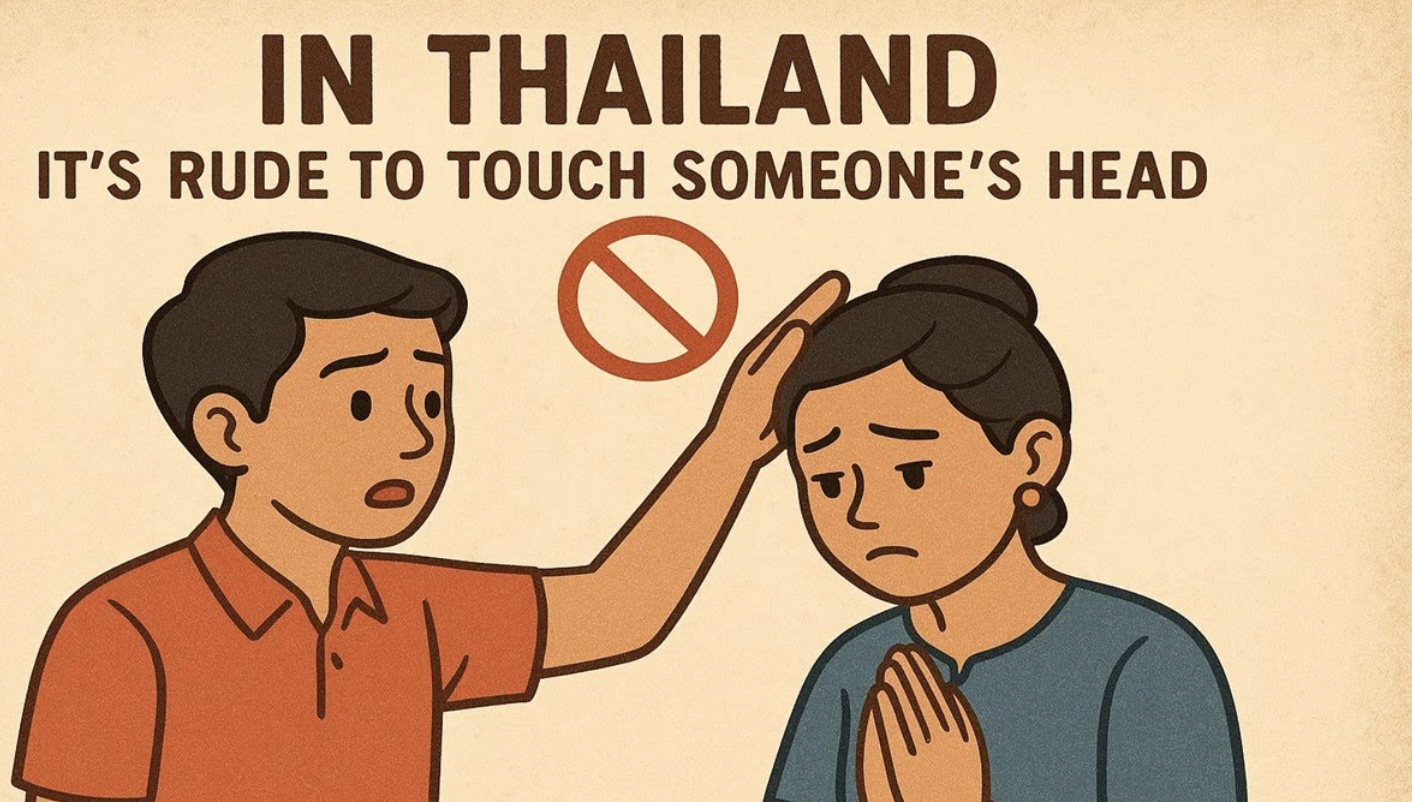
In Thai culture, the body itself carries hierarchy. The head is considered the highest and most sacred part. The feet are the lowest and least clean.
Once you understand this principle, many social cues make sense immediately.
Be mindful of your feet
Avoid pointing at objects or people with your foot. Do not use your foot to close doors or push items. When sitting, avoid stretching your legs toward someone in conversation.
If you sit on the floor, tuck your feet behind you or to the side. Even unintentionally pointing your feet toward someone can feel disrespectful.
Do not touch someone’s head
The head is spiritually elevated. Avoid patting someone’s head, playing with someone’s hair or casually touching children’s heads unless you are very close.
What may feel friendly in one culture can feel intrusive in another.
Avoid stepping over people
If someone is sitting on the floor, walk around them rather than over them. Thai people often slightly lower their body when walking past elders. It is subtle, but it communicates humility.
Social Harmony in Thailand: Why Staying Calm Always Works Better
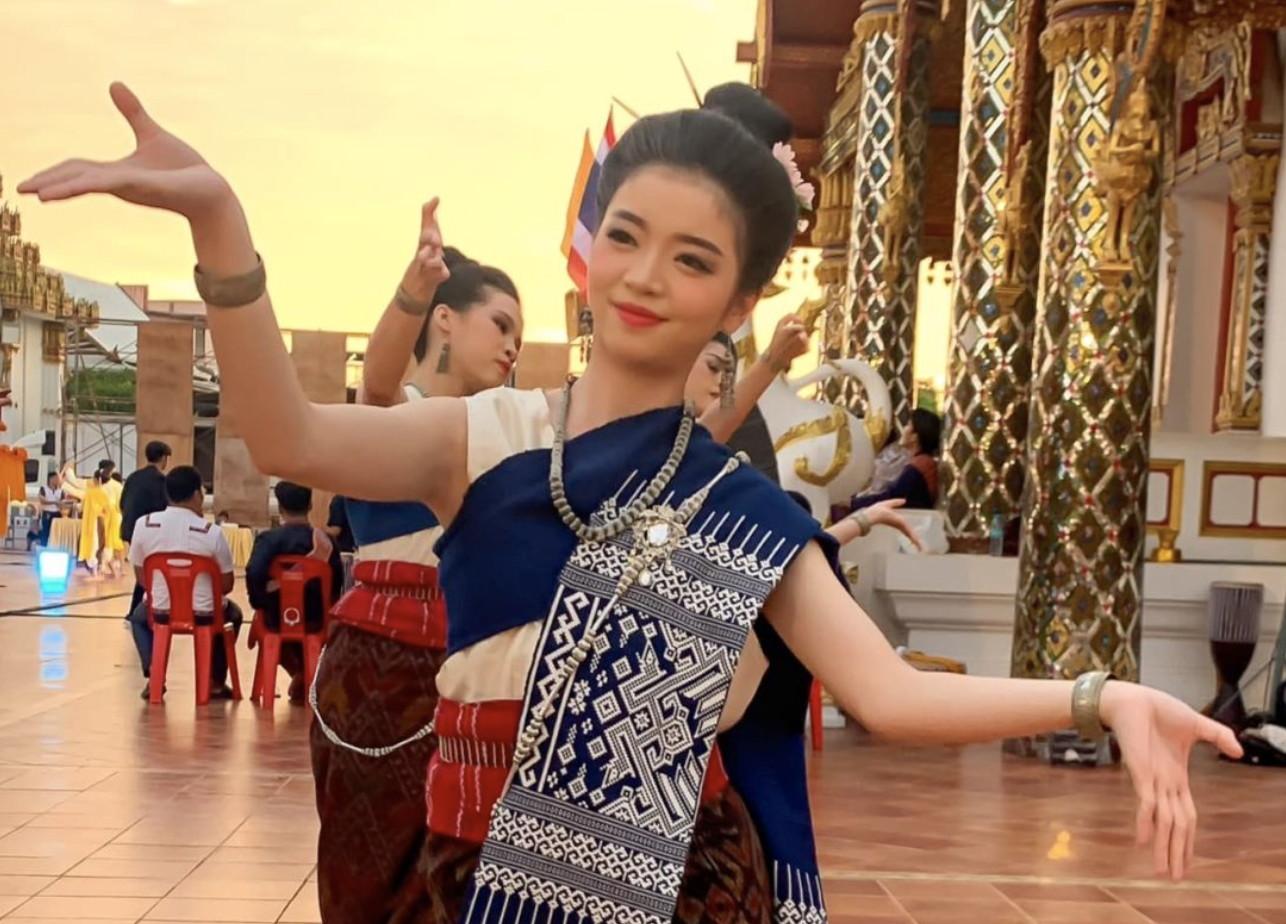
Thailand values social harmony. Emotional control in public is respected.
Losing composure creates discomfort not only for the person involved, but for everyone witnessing it.
Lower your voice
Avoid yelling, aggressive pointing or public confrontation. There is a concept called sia naa, which translates to losing face. Causing someone to lose face publicly can damage relationships deeply.
Calm communication is almost always more effective than intensity.
Avoid discussions about the monarchy
Thailand has strict laws protecting the monarchy. Public criticism, whether offline or online, can have serious consequences. Even casual comments can be misinterpreted.
The safest approach is simple. Avoid the topic entirely.
Temple and Monk Etiquette in Thailand: What Every Visitor Should Know
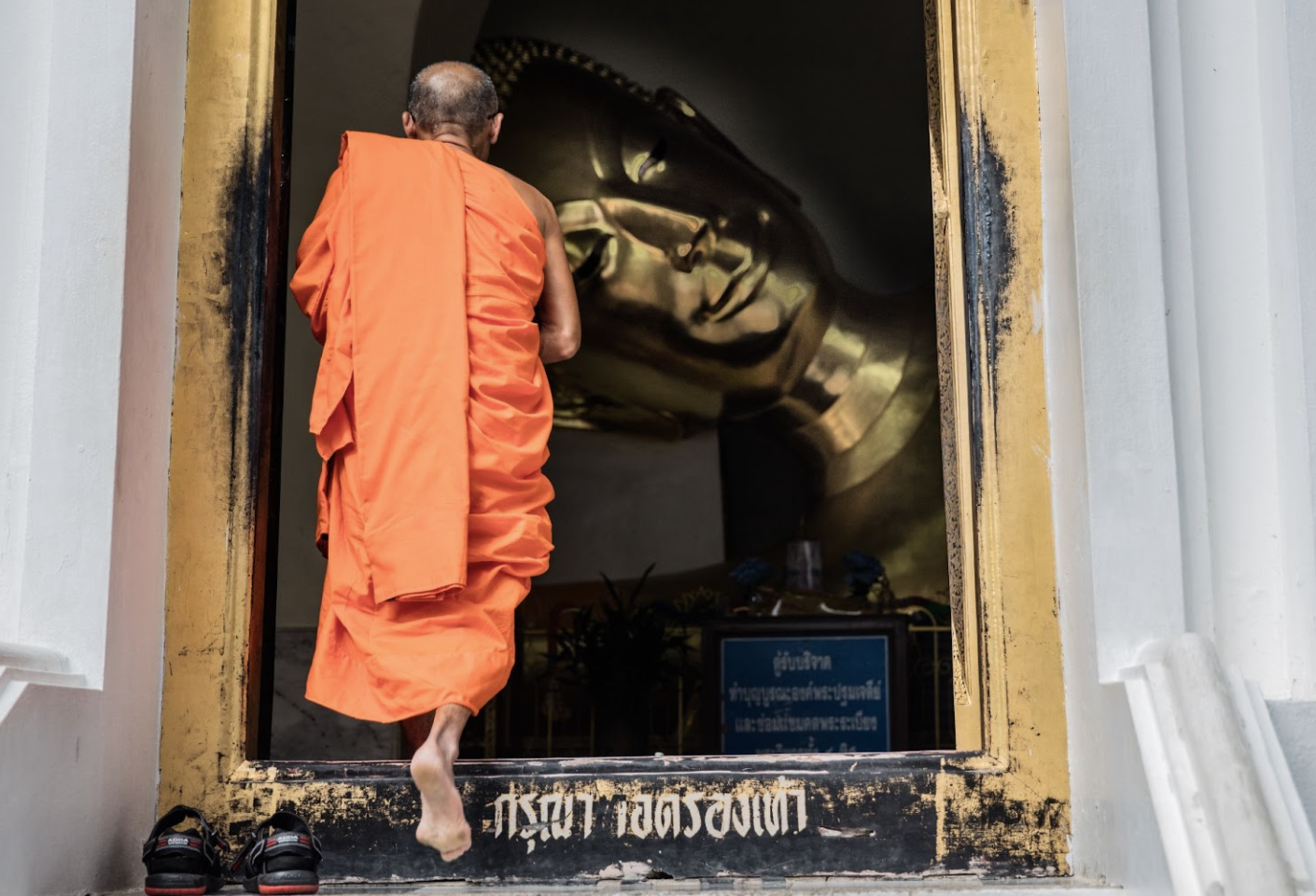
Temples are living religious spaces, not just architectural landmarks. Entering them respectfully changes your entire experience.
Dress appropriately
Avoid shorts above the knee, sleeveless tops and overly revealing clothing. Bring a light scarf, a sarong or trousers that cover the knees. Some temples may deny entry if underdressed, but more importantly modest clothing signals awareness.
Do not touch monks
Women especially should avoid physical contact. Give space. Avoid sitting directly beside a monk. If offering something, place it down rather than handing it directly if unsure.
This is about religious discipline, not distance.
Public Transport Etiquette in Bangkok and Thai Cities
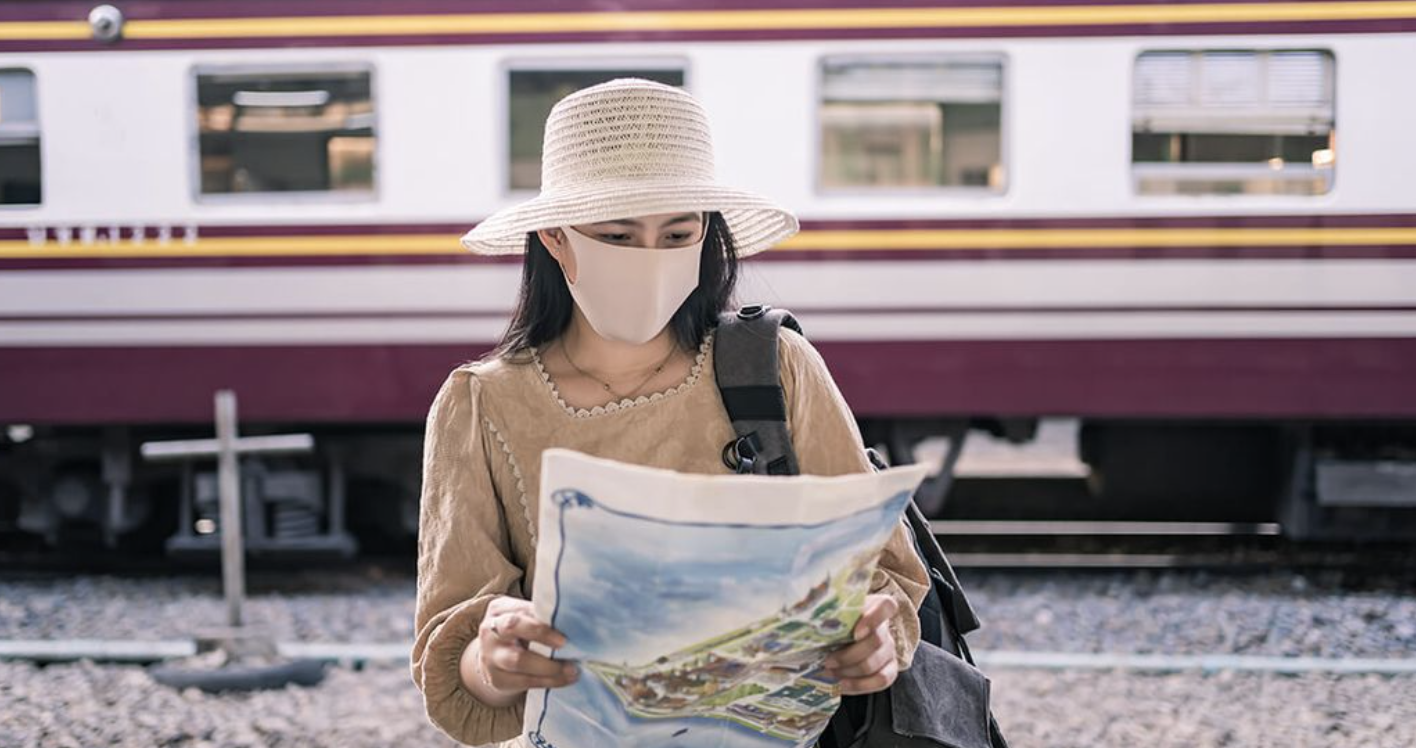
Bangkok moves fast, but it does so with quiet awareness.
On public transport, people are mindful of the space around them. Keep phone calls low, use headphones for videos and avoid shouting across seats. Try not to block doors or lean heavily on shared poles.
If you are carrying a backpack, wear it in front during busy hours. Many visitors do not realise how much space they take up in crowded trains.
Offer your seat to elders, pregnant women, monks and children. Priority seating is respected, and small gestures of courtesy are always noticed.
Thai Home and Social Etiquette: Shoes, Dress and Modesty
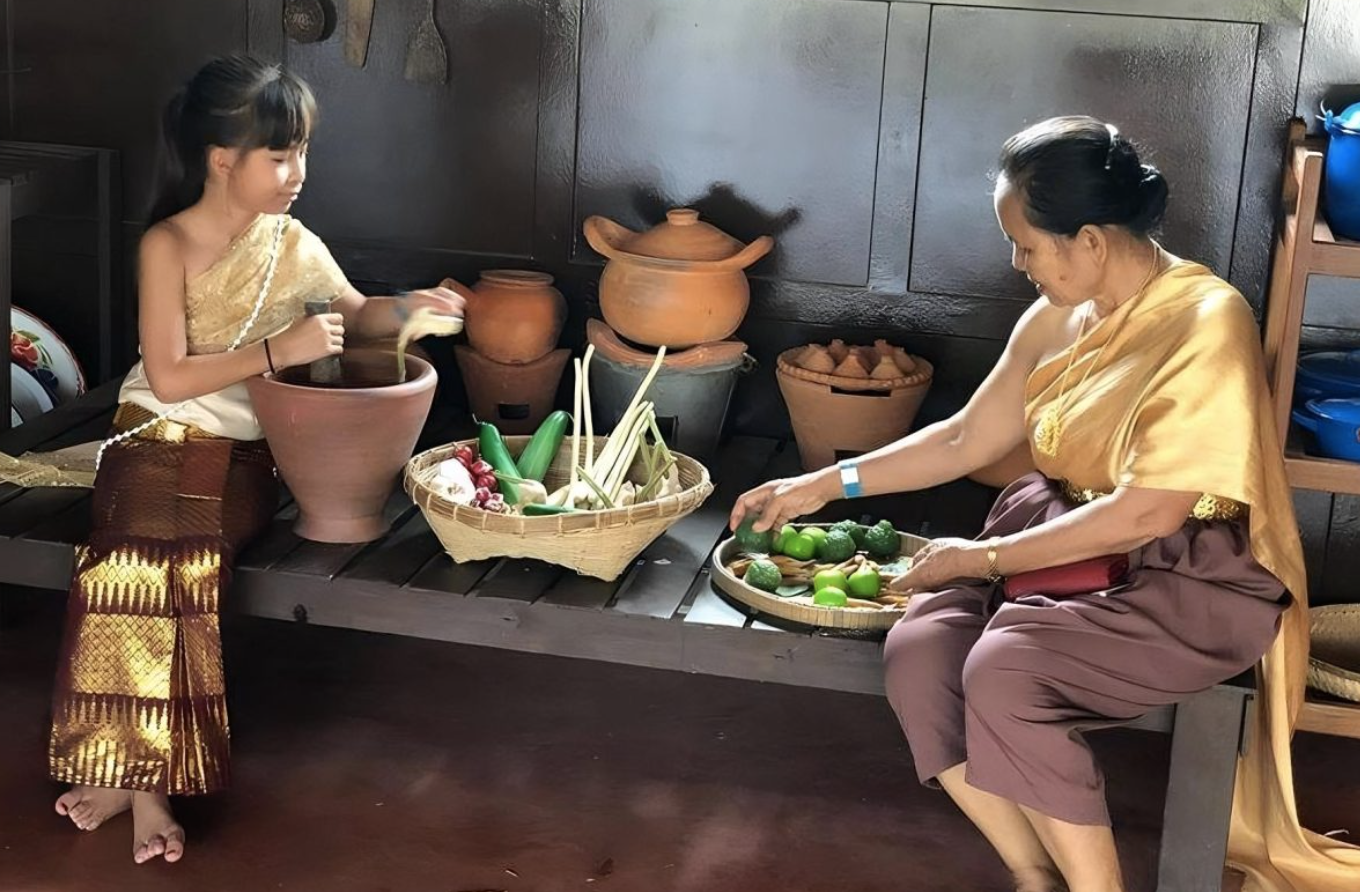
Remove your shoes before entering someone’s home, temples and many smaller shops. If you see shoes outside the entrance, follow the same practice.
Walking shirtless in city areas is considered inappropriate. Beach areas are more relaxed, but urban spaces expect a basic level of modesty.
Even in a tropical climate, people tend to dress neatly. Putting in a little effort shows respect for the place and the people around you.
Thai Dining Etiquette: How Meals Actually Work in Thailand
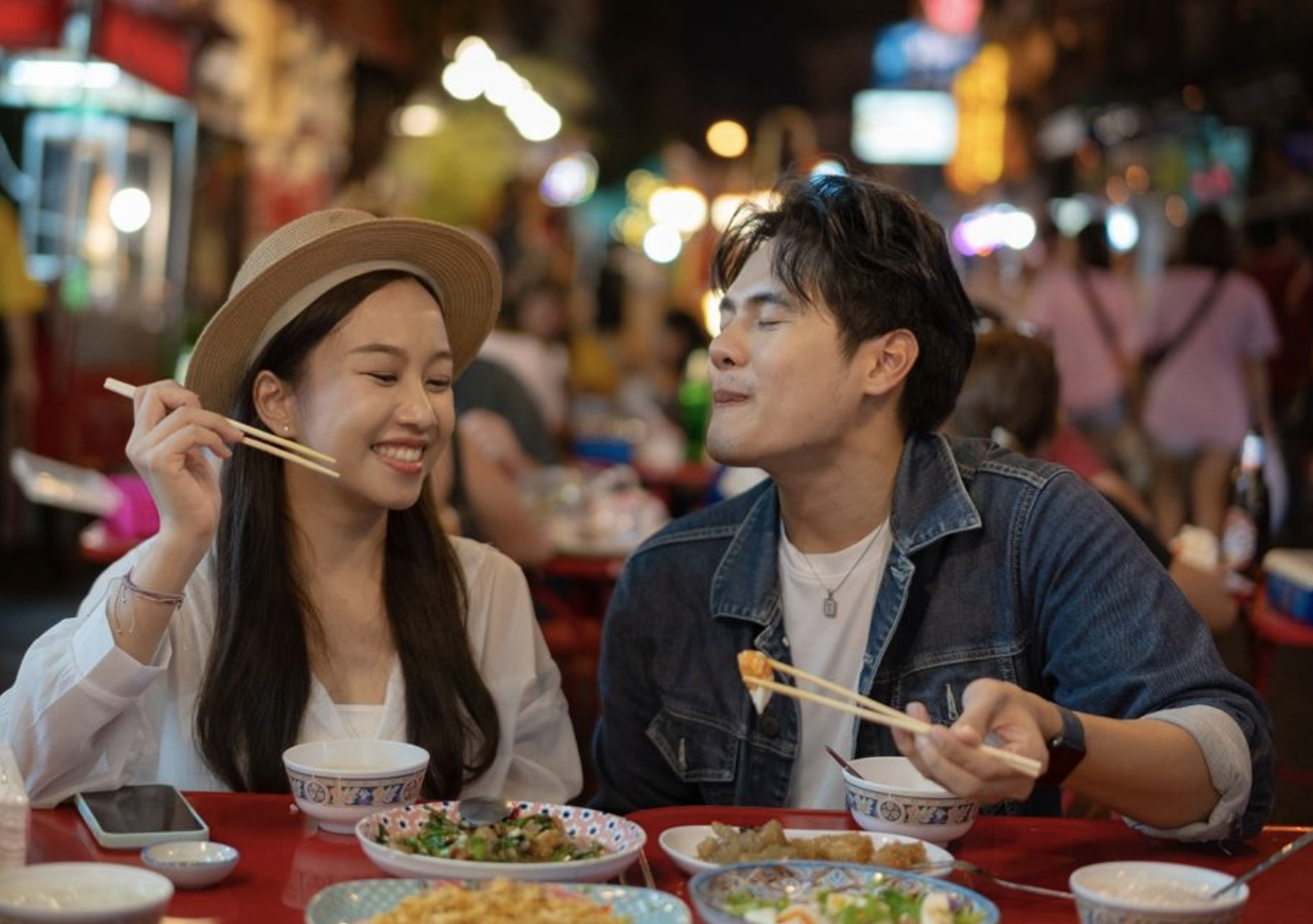
Meals in Thailand are shared and communal. Rice is the centre of the table, and other dishes are meant to complement it.
Traditionally, you place rice on your plate and add small portions of different dishes alongside it, eating bite by bite. Soup is usually eaten separately rather than mixed directly into rice.
These are subtle details, but they reflect awareness and appreciation of local customs.
The Wai: Thailand's Most Important Cultural Gesture Explained
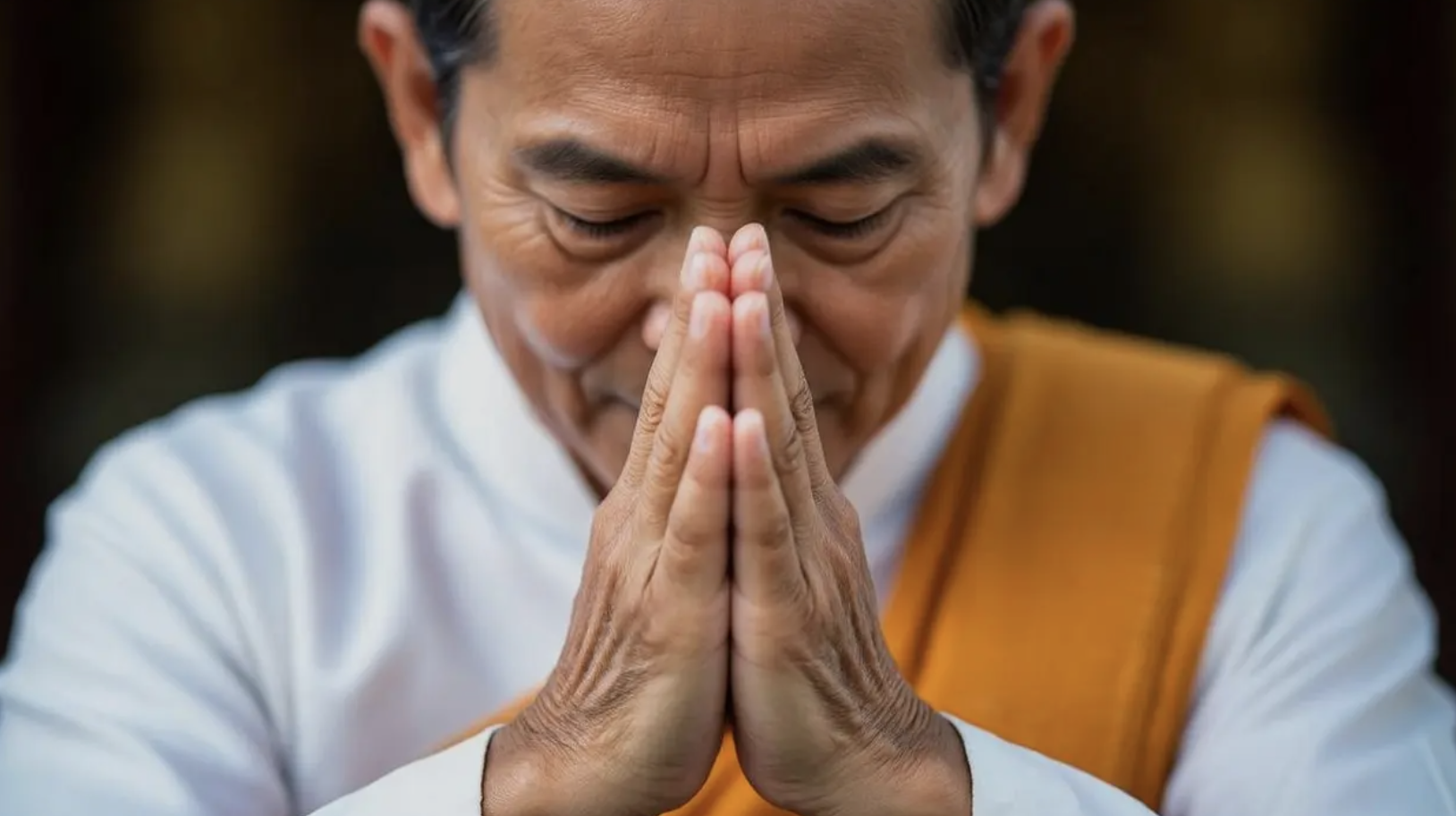
The wai, palms pressed together at chest level, is a common gesture used to greet, thank, apologise or show respect.
If someone greets you with a wai, return it. You do not need to initiate it with service staff, but responding warmly is appreciated.
In Thailand, tone and body language often matter more than words.
How to Show Respect in Thailand: Small Actions That Make a Difference
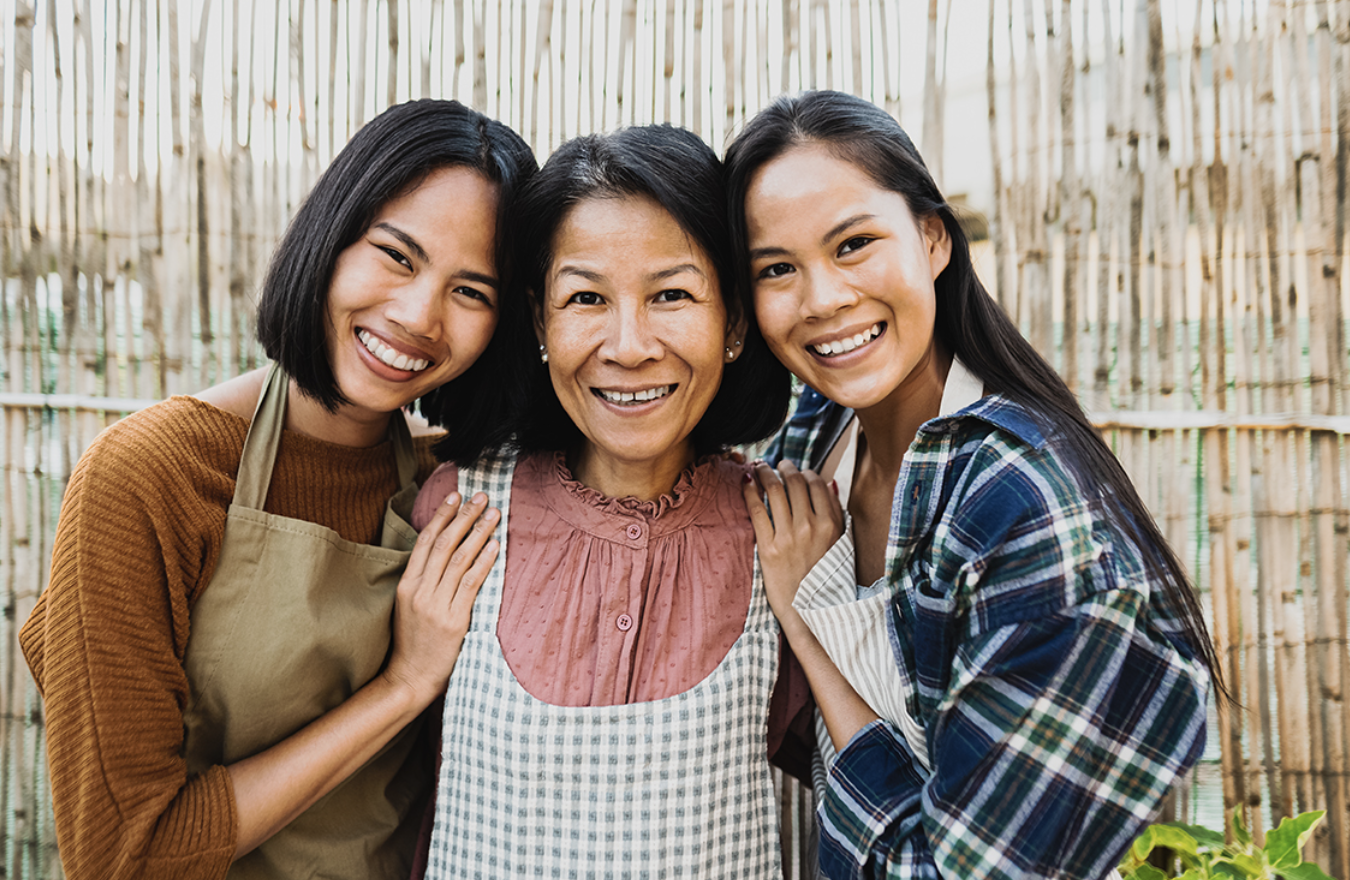
Smile gently. Speak softly. Say khob khun ka or khob khun krap when thanking someone. Observe first before acting. Dress slightly more polished than you think necessary. Be patient if things move more slowly than expected.
Thailand does not expect perfection.
It appreciates intention.
When in doubt, move calmly. Lower your voice. Watch how others behave. Respect what is considered high and low.
Over time, doors open more easily, smiles last longer and you begin to feel less like a visitor and more connected to the place around you.
Veloura Tips
Apologise First, Even If It Is Not Your Fault In Thailand, restoring harmony is more important than assigning blame. If something goes wrong, start with a soft “sorry” and a calm tone, even if the situation was not caused by you. This immediately lowers tension and keeps the interaction smooth. Once harmony is restored, solutions come naturally. Protecting the atmosphere is often more powerful than defending your position.
Respect Time Differently In Thailand, urgency is rarely expressed through pressure. If you need something, ask early and gently rather than last minute and intensely. A calm reminder works better than repeated follow ups. Pushing rarely accelerates outcomes. Giving space while staying clear creates better results.
Let Someone Else Lead the Social Energy When entering a new space, whether a small shop, a temple or a family run restaurant, do not dominate the energy immediately. Observe the tone. Is it quiet? Playful? Formal? Match it. Thailand values emotional calibration. The more you adapt to the room, the more welcomed you will feel.
Frequently Asked Questions: Thai Culture and Etiquette
What are the most important cultural rules to know before visiting Thailand?
The most important things to understand before visiting Thailand: the head is considered the most sacred part of the body — avoid touching anyone's head casually. The feet are considered the lowest and least clean — never point your feet at people or religious objects. Temples require modest clothing covering shoulders and knees. Remove shoes before entering homes, temples, and many smaller shops. Never touch monks, particularly if you are a woman. Avoid any public discussion of the Thai monarchy. When someone greets you with a wai (palms pressed together), return it. These are not strict rules — they are expressions of awareness and respect that Thai culture responds to warmly.
What is the wai in Thailand and when do you use it?
The wai is a traditional Thai greeting performed by pressing the palms together at chest level and slightly bowing the head. It is used to greet, thank, apologise, or express respect. If someone greets you with a wai, return it — this is the most important thing to know. You do not need to initiate a wai with service staff or in casual everyday interactions, but responding when one is offered is always appreciated. The wai communicates a great deal through gesture alone, and in Thailand, tone and body language often carry more meaning than words.
What should you not do in Thailand as a tourist?
The main things to avoid in Thailand: do not touch anyone's head, even children, as it is considered spiritually inappropriate. Do not point your feet at people, religious images, or objects on the floor. Do not raise your voice, argue publicly, or cause someone to lose face in front of others — social harmony is highly valued and public confrontation creates discomfort for everyone present. Do not visit temples in shorts or sleeveless clothing. Do not touch monks or hand objects directly to them. Do not make casual comments about the Thai monarchy, which is protected by strict laws. These are rarely enforced with hostility, but awareness of them signals respect.
What is "losing face" in Thai culture?
Losing face — known as sia naa in Thai — refers to public embarrassment or humiliation. In Thai culture, causing someone to lose face, whether through open criticism, raised voices, or confrontation in front of others, can damage relationships significantly and is considered a serious social misstep. This is why Thais tend to resolve problems calmly and indirectly rather than confrontationally. For visitors, this means that staying composed, speaking softly, and framing criticism gently will almost always produce better outcomes than expressing frustration directly.
What should I wear to a temple in Thailand?
Temples in Thailand require modest clothing that covers the shoulders and knees. Shorts above the knee, sleeveless tops, and revealing clothing are not appropriate and may result in being denied entry. The practical solution is to carry a light scarf, sarong, or thin linen trousers that can be put on before entering a temple and easily removed afterward. This small preparation makes visiting any temple in Thailand completely straightforward, including major sites like the Grand Palace and Wat Pho in Bangkok.
Can women interact with monks in Thailand?
Women should avoid physical contact with monks entirely. Do not touch a monk, sit directly beside one, or hand objects directly to them — if you need to offer something, place it down in front of them rather than handing it directly. This is not about distance or hostility but about the religious discipline monks follow. Male visitors can interact more freely, but everyone should give monks appropriate space and speak respectfully. In practical terms, this mostly becomes relevant in temples, on public transport, and at morning alms rounds.
How do Thai people greet each other?
The most common Thai greeting is the wai — palms pressed together at chest height with a slight bow. In everyday social interactions, Thais may also simply smile or nod. Handshakes are understood but less traditional. The phrase sawadee krap (for men) or sawadee ka (for women) is the standard verbal greeting and is always well received from visitors. In Thai culture, a smile carries significant social weight — a genuine, calm smile communicates goodwill across almost every type of interaction.
For more local guides and cultural insights from Thailand, visit veloura-gems.com.
Veloura App
There is more to explore.
Bangkok, Koh Phangan and Northern Thailand, beyond the obvious.
