
7 Fun Facts You Might Be Surprised about Thailand
Thailand is full of small customs and stories that quietly shape everyday life. They are not always obvious at first glance, but once you notice them you begin to understand the country in a deeper and more meaningful way. These little details sit between history and daily routines, between spirituality and practicality. They are the things that make Thailand feel warm, unique and alive. Here are a few that many visitors do not always know, but each one reveals something beautiful about Thai culture.
Tips Overview
Contents
Never Step on Thai Currency: The Royal Connection Behind This Everyday Habit
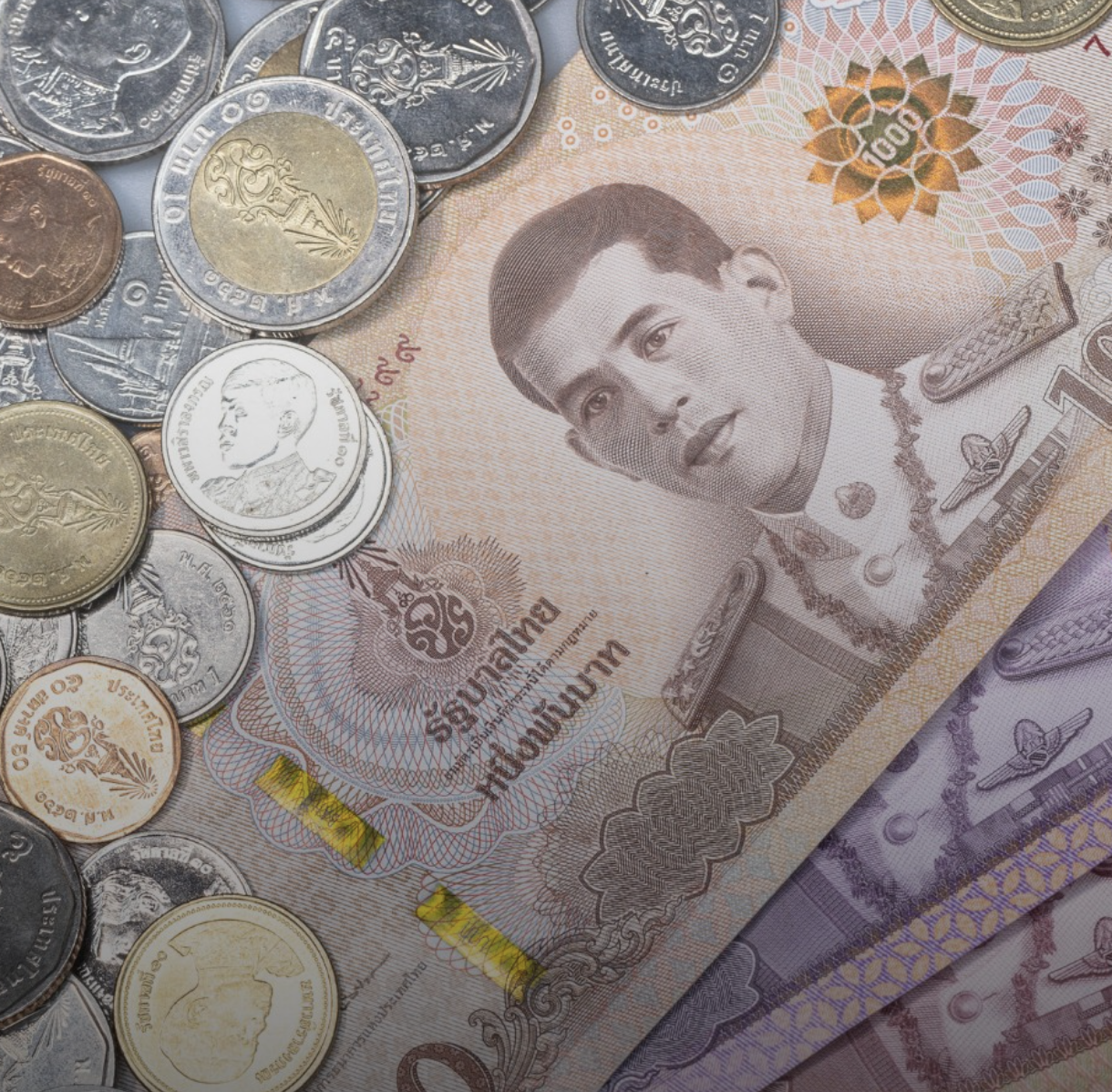
Every banknote carries the portrait of the King and in Thailand the royal family is held in profound respect. Stepping on money is considered disrespectful not because of the paper itself but because of what it represents. You might see someone drop a banknote and gently pick it up instead of stopping it with their foot. It is a moment that shows how deeply respect is woven into everyday actions. Even small gestures matter.
The Land of the Free: Why Thailand Was Never Colonized — and Why It Matters
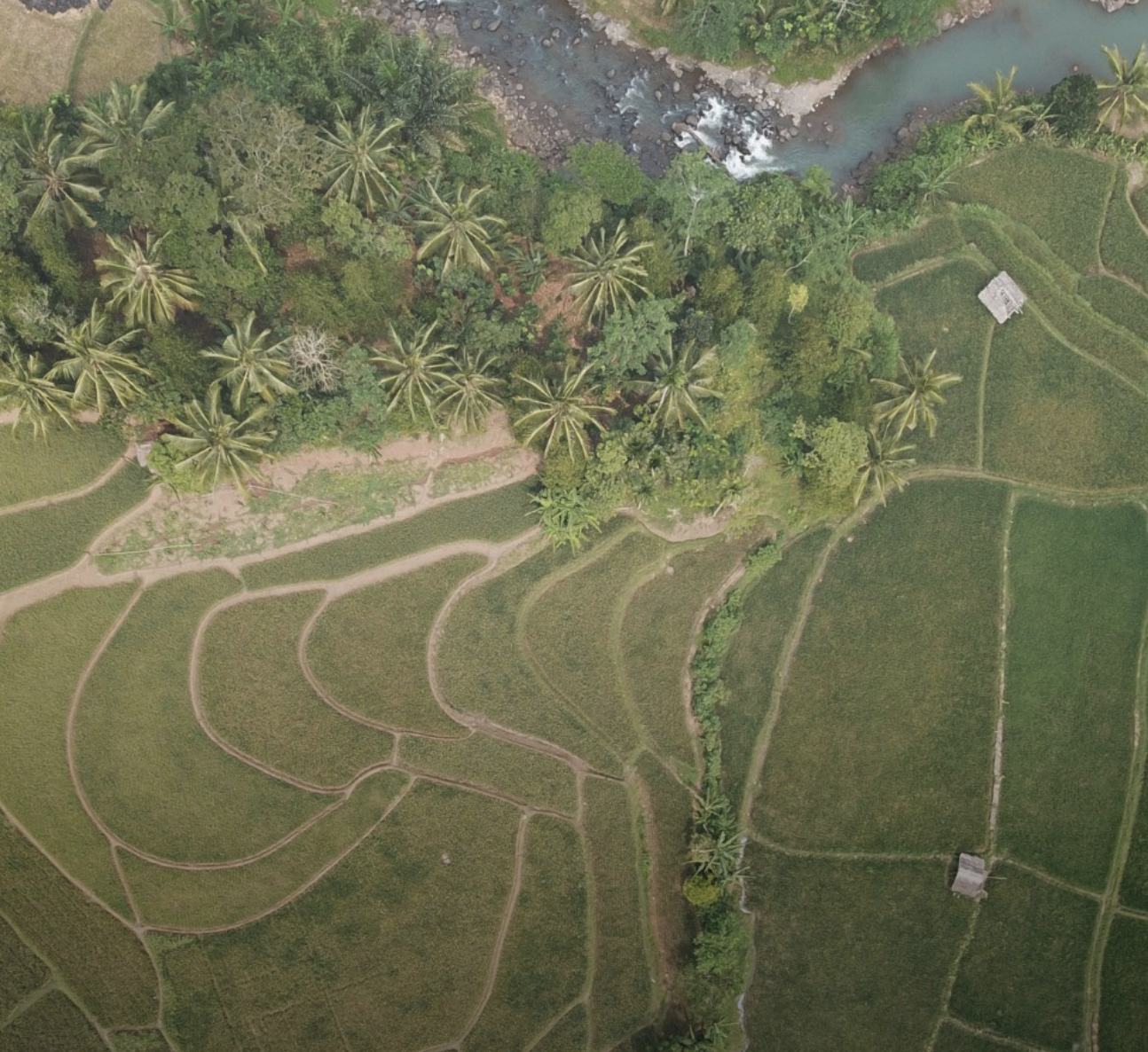
Thailand is often called the land of the free because it is the only country in Southeast Asia that was never colonised. This independence shaped the Thai identity and helped preserve traditions, language and religion. When you walk through temples, markets or old neighbourhoods, you can feel a sense of cultural continuity that has lasted for centuries. Thai people are proud of this history, not loudly but quietly, in the way they protect their customs and carry their heritage forward.
Over 35,000 Temples: Why Thai Temples Are Living Community Spaces, Not Just Landmarks
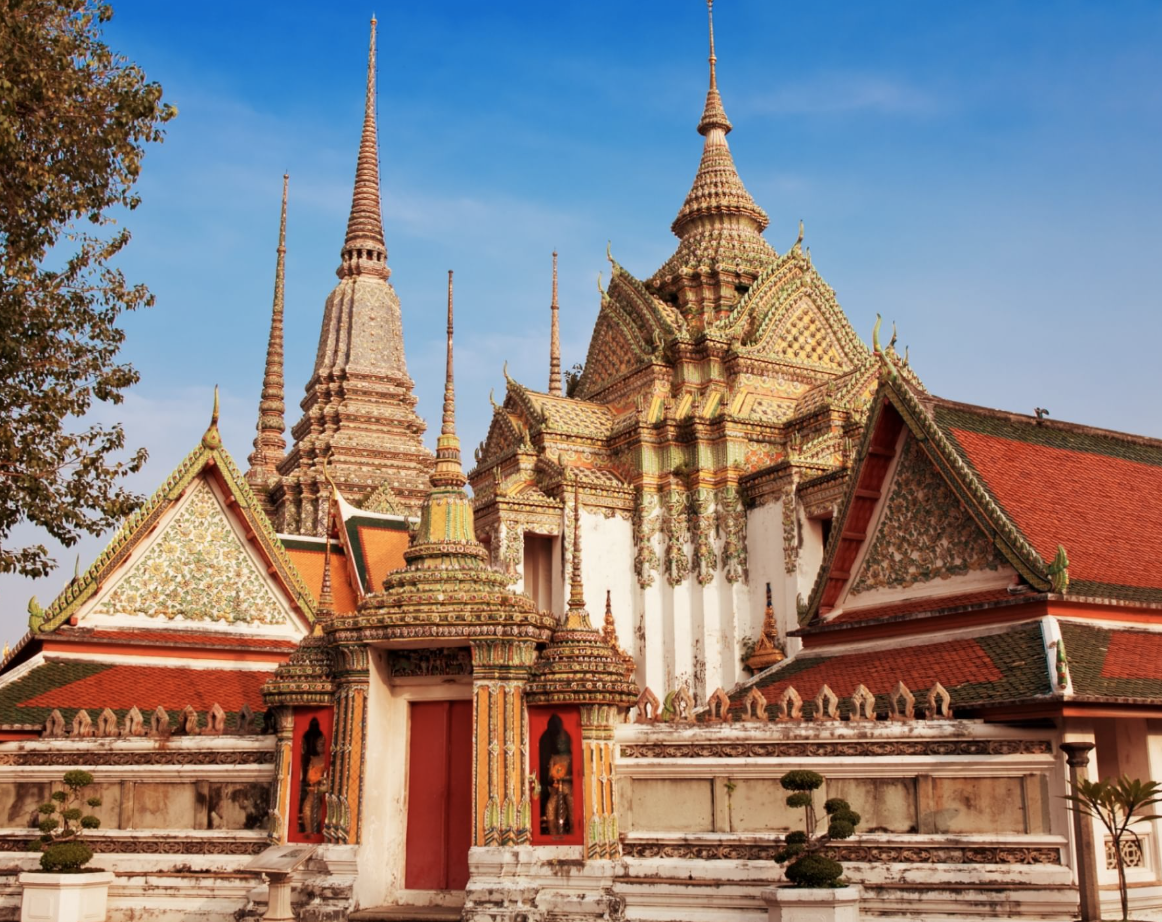
Temples in Thailand are not just spiritual places, they are living spaces filled with daily activity. Monks sweep the grounds at sunrise, families bring offerings, children run around after school and neighbours come to talk or find a moment of calm. With over 35,000 temples across the country, each one feels different. Some are grand and golden, others are tiny and hidden behind houses. Some echo with chanting, others sit silently in the shade. Visiting different temples shows you the many layers of Thai spirituality and community life.
Chatuchak Market: One of Asia's Largest Markets and a Universe of Its Own
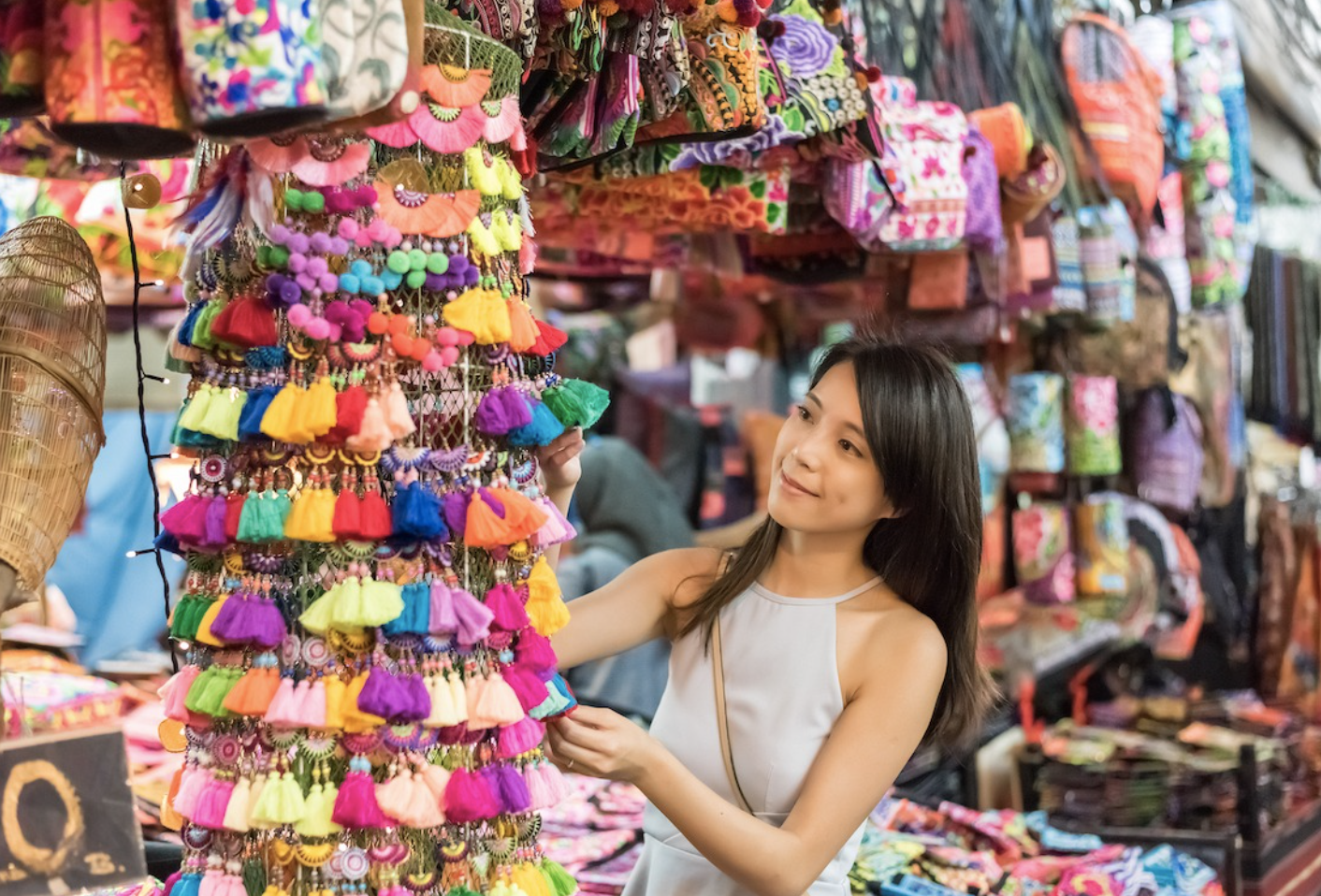
Chatuchak is not just a market, it is an entire universe. One of the largest markets in Asia, it stretches endlessly through sections filled with everything you can imagine. Plants, clothes, ceramics, art, street food, vintage treasures, pets, notebooks, spices, furniture, souvenirs and everyday essentials. The heat mixes with smells from food stalls and the sound of sellers calling out to customers. Getting lost here is part of the experience. It is a raw and colourful expression of Bangkok’s personality.
Why Hands and Feet Carry Cultural Meaning in Thailand
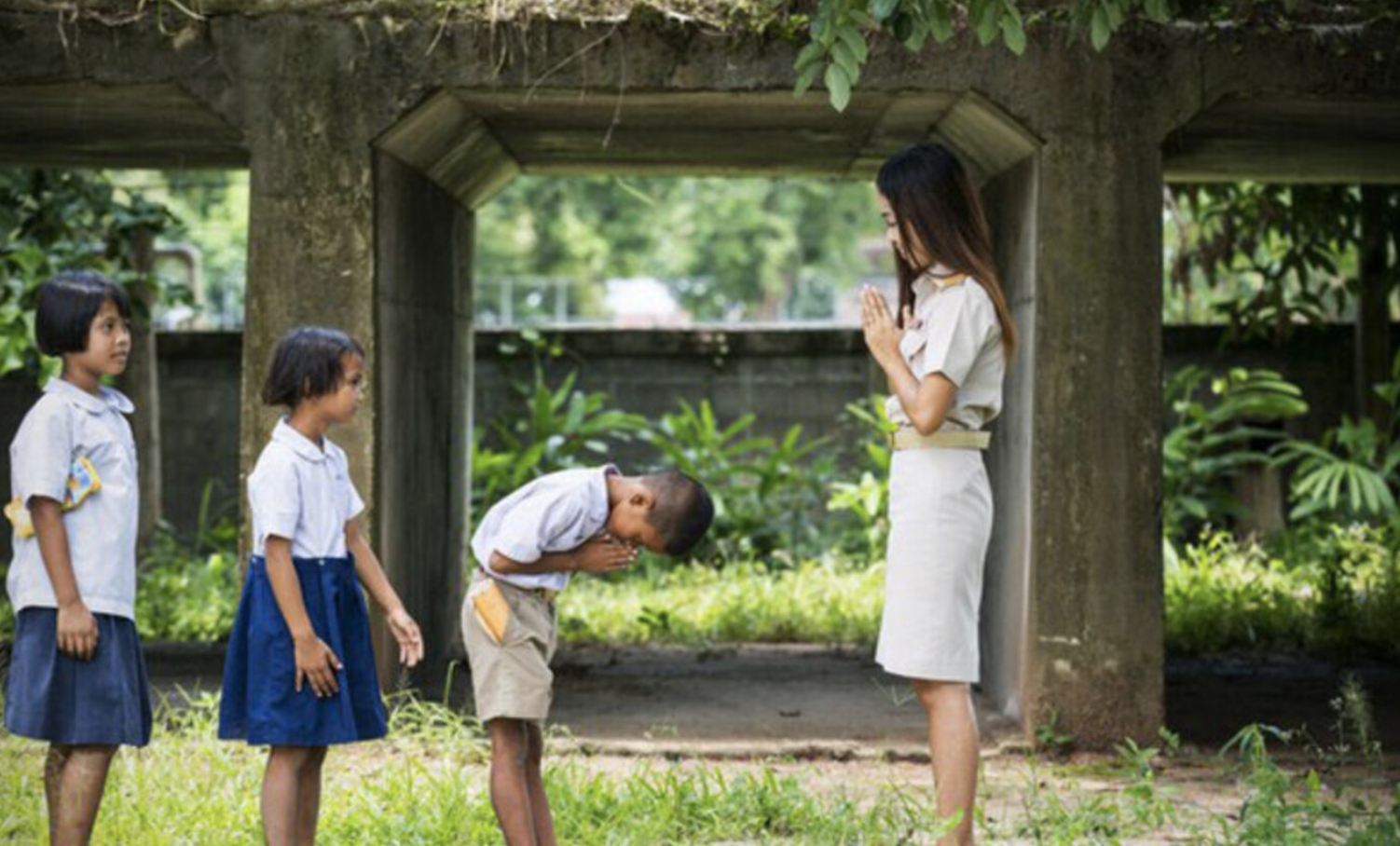
In Thai culture the body carries meaning. Hands are used to greet with the wai, a gesture of respect, gratitude and warmth. When you offer something with two hands it shows sincerity. Feet on the other hand are considered the lowest part of the body and should never point at people, Buddha images or sacred places. This is why you often see people sit with their feet tucked politely to the side in temples. It is a small detail that shows how mindfulness and respect live in everyday movements.
Why Shoes Are Left Outside in Thailand: More Than Just Cleanliness
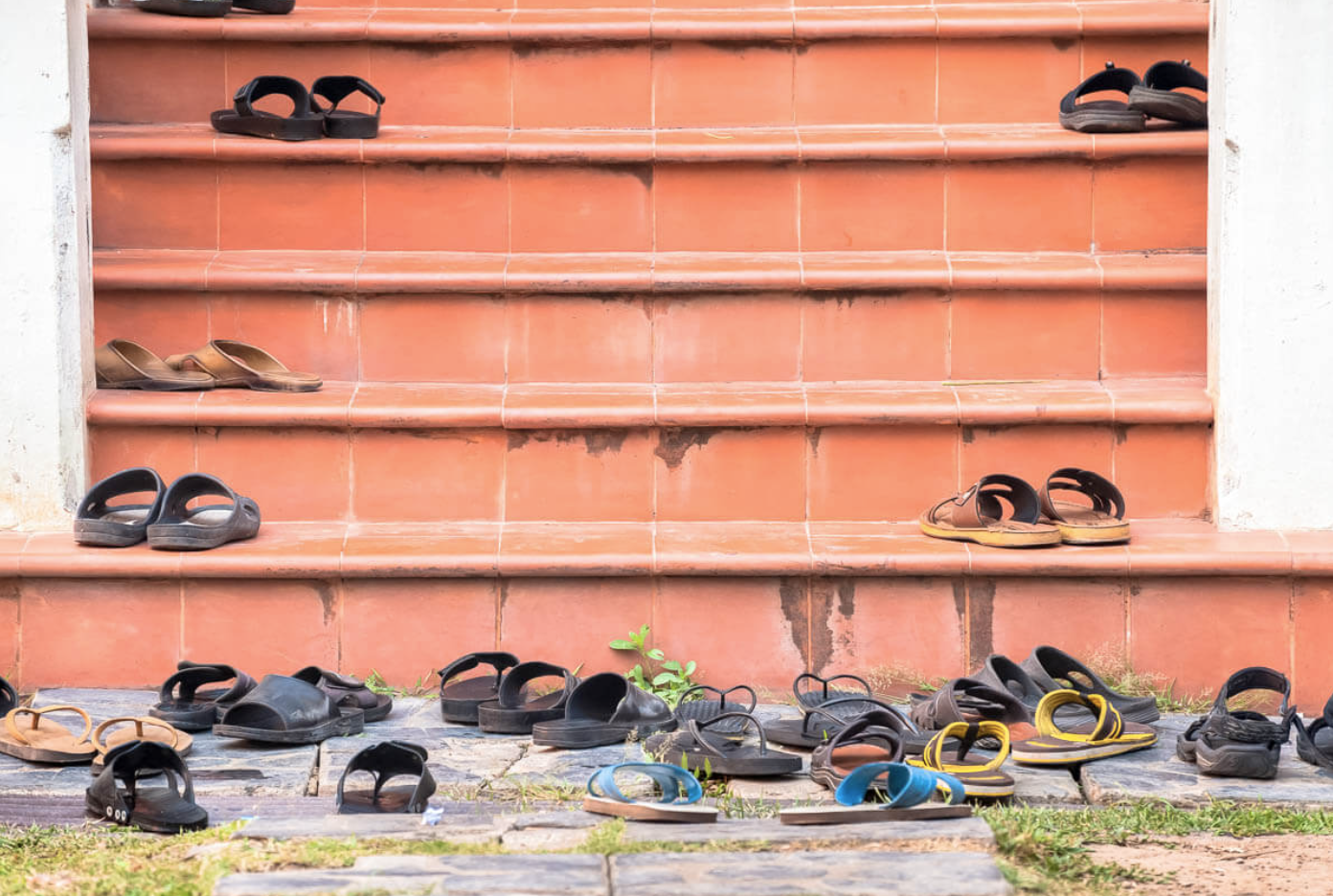
Before entering a home, a massage shop, a café or even some restaurants, you take off your shoes. It is more than cleanliness. It is a way of keeping the inside space calm and respectful. It preserves the feeling of home. Many travellers find this custom surprisingly comforting. It slows you down and marks the transition from the busy outside world into a gentler, quieter moment. Once you get used to it, keeping shoes on indoors starts to feel strange.
Bangkok Has the Longest City Name in the World — and It Tells a Whole Story
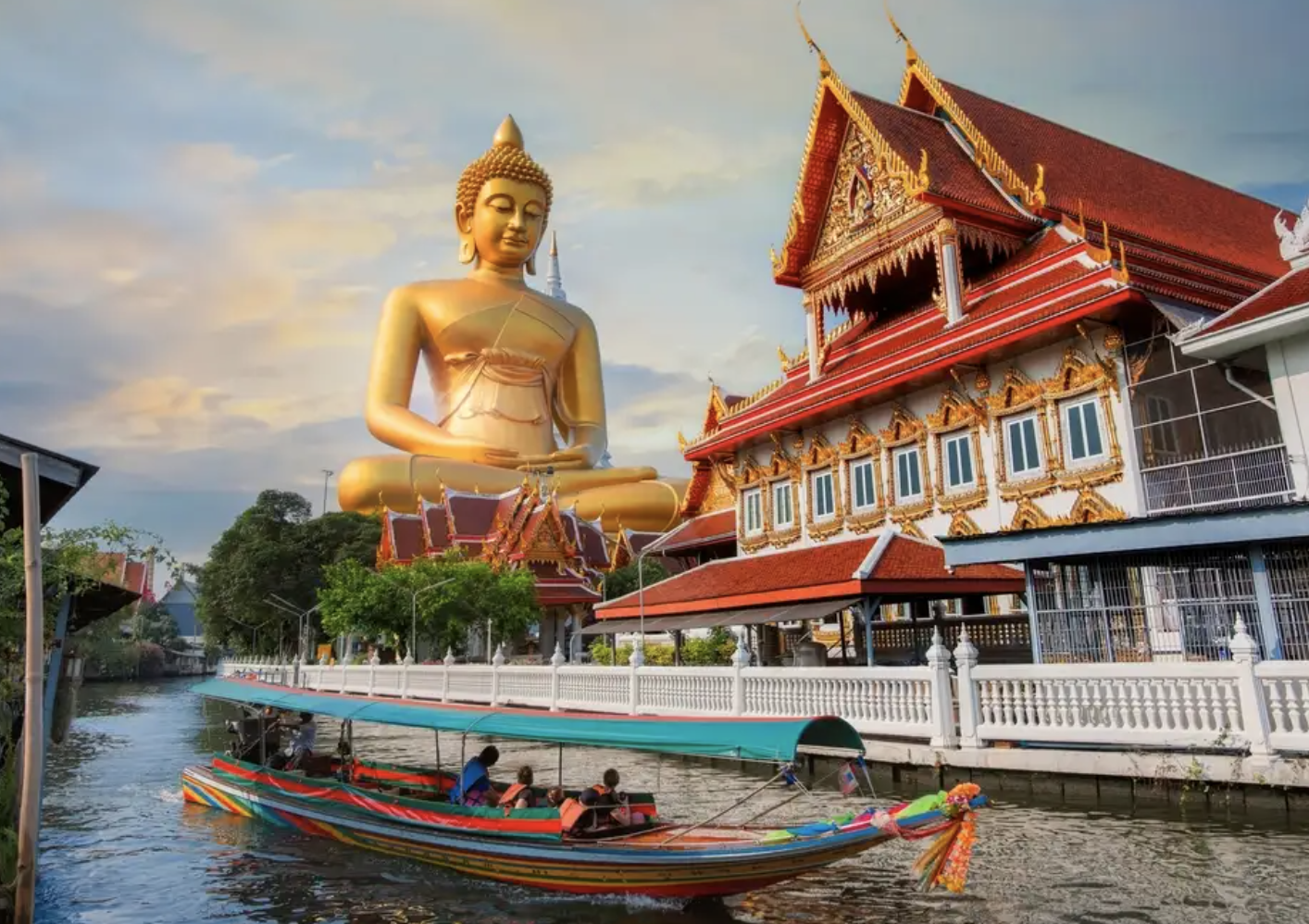
Bangkok’s official name is the longest city name on earth. Locals simply call it Krung Thep, the City of Angels. The full ceremonial name is a poetic string of ancient words describing a city of gods, temples and divine protection. Most Thai people cannot recite the whole name but everyone smiles when they hear it mentioned. It is a beautiful reminder that Bangkok is not just a modern city. Beneath the traffic and skyscrapers there is an ancient story, still alive in its language.
Krung Thep Mahanakhon Amon Rattanakosin Mahinthara Ayuthaya Mahadilok Phop Noppharat Ratchathani Burirom Udomratchaniwet Mahasathan Amon Piman Awatan Sathit Sakkathattiya Witsanukam Prasit.
Thailand’s charm lives in these details. The more you notice them, the more the country opens up to you in a way that guidebooks can not explain.
Veloura Tips
Watch Before You React Thailand has many unwritten social cues. Instead of immediately acting on instinct, pause and observe. Notice how locals sit in temples, how they hand over money, how they remove shoes, how they queue. Small adjustments in your body language create smoother interactions. Respect here is subtle, and copying what you see works better than overthinking rules.
Lower Your Volume, Increase Your Impact In Thailand, calm communication carries more weight than loud confidence. If something goes wrong, lower your tone instead of raising it. Smiling and staying composed usually opens more doors than direct confrontation. Social harmony is valued more than being right.
Ask What Something Means, Not Just What It Is Temples, markets and rituals are not just visual experiences. Ask a local what a certain offering represents. Ask why shoes are removed. Ask about the meaning behind a festival. Most people are happy to explain. Thailand becomes much richer once you move from observation to understanding.
Frequently Asked Questions: Thailand Culture and Surprising Facts
What are some interesting or surprising facts about Thailand?
Thailand has several fascinating cultural details that most visitors don't expect. Every Thai banknote carries the portrait of the King and stepping on one — even accidentally — is considered deeply disrespectful. Thailand is the only country in Southeast Asia that was never colonized, a fact that shapes its strong cultural identity and continuity. The country has over 35,000 temples, most of which are active community spaces rather than tourist sites. Bangkok's official ceremonial name is the longest city name in the world. Shoes are removed before entering homes, many cafés, and most temples — a custom that marks a transition into a calmer, more respectful space. Once you notice these details, Thailand becomes a much richer place to travel.
Why should you not step on money in Thailand?
Every Thai banknote features the portrait of the King, and the royal family is held in profound respect in Thai culture. Stepping on a coin or banknote — even to stop it from blowing away — is considered disrespectful because it is seen as disrespecting the King's image rather than just the currency itself. If you drop money in Thailand, you will notice locals pick it up carefully rather than stopping it with a foot. It is a small gesture but one that reflects how deeply respect for the monarchy is woven into everyday life and ordinary moments.
Was Thailand ever colonized?
No — Thailand is the only country in Southeast Asia that was never colonized by a European power. During the 19th and early 20th centuries, when neighboring countries including Burma, Vietnam, Cambodia, Laos, Malaysia, and Indonesia came under British or French control, Thailand maintained its independence through a combination of skilled diplomacy and strategic positioning between colonial powers. This history is a source of quiet national pride and is reflected in the relative preservation of Thai language, traditions, religion, and cultural identity compared to neighboring nations that experienced colonial disruption.
What is Bangkok's real name and why is it so long?
Bangkok's official ceremonial name is Krung Thep Mahanakhon Amon Rattanakosin Mahinthara Ayuthaya Mahadilok Phop Noppharat Ratchathani Burirom Udomratchaniwet Mahasathan Amon Piman Awatan Sathit Sakkathattiya Witsanukam Prasit — the longest city name in the world. Locals simply call the city Krung Thep, meaning City of Angels. The full name is a poetic description in ancient Sanskrit and Thai language, describing a city of gods, divine temples, and royal protection. Most Thai people cannot recite the full name, but it is a beautiful reminder that Bangkok is not just a modern metropolis — beneath its traffic and skyscrapers is an ancient story still carried in its language.
How many temples are there in Thailand?
There are over 35,000 Buddhist temples (known as wats) across Thailand. Not all of them are grand tourist landmarks — the majority are active neighborhood temples that serve as daily community spaces. Monks sweep the grounds at sunrise, families bring offerings, children pass through after school, and locals come to find calm or mark life events. Each temple has its own character: some are ornate and golden, others are small and hidden behind houses. Beyond the famous temples in Bangkok like Wat Pho and Wat Arun, the smaller neighborhood wats offer a more intimate and genuine experience of Thai Buddhist life.
Why do people take their shoes off in Thailand?
Removing shoes before entering a home, temple, many small shops, and some cafés is a widespread Thai custom. It goes beyond cleanliness — it is a way of marking the threshold between the busy outside world and a calmer, more respectful interior space. In temples, it is an act of spiritual respect. In homes, it preserves the sanctity of the living space. The practice is also practical in a tropical climate. As a visitor, following this custom whenever you see shoes lined up outside an entrance is both respectful and immediately noticed. It is one of the quickest ways to signal cultural awareness in Thailand.
For more guides to Thai culture and travel, visit veloura-gems.com.
Veloura App
There is more to explore.
Bangkok, Koh Phangan and Northern Thailand, beyond the obvious.
