
Best Neighborhoods in Bangkok for Expats and Digital Nomads
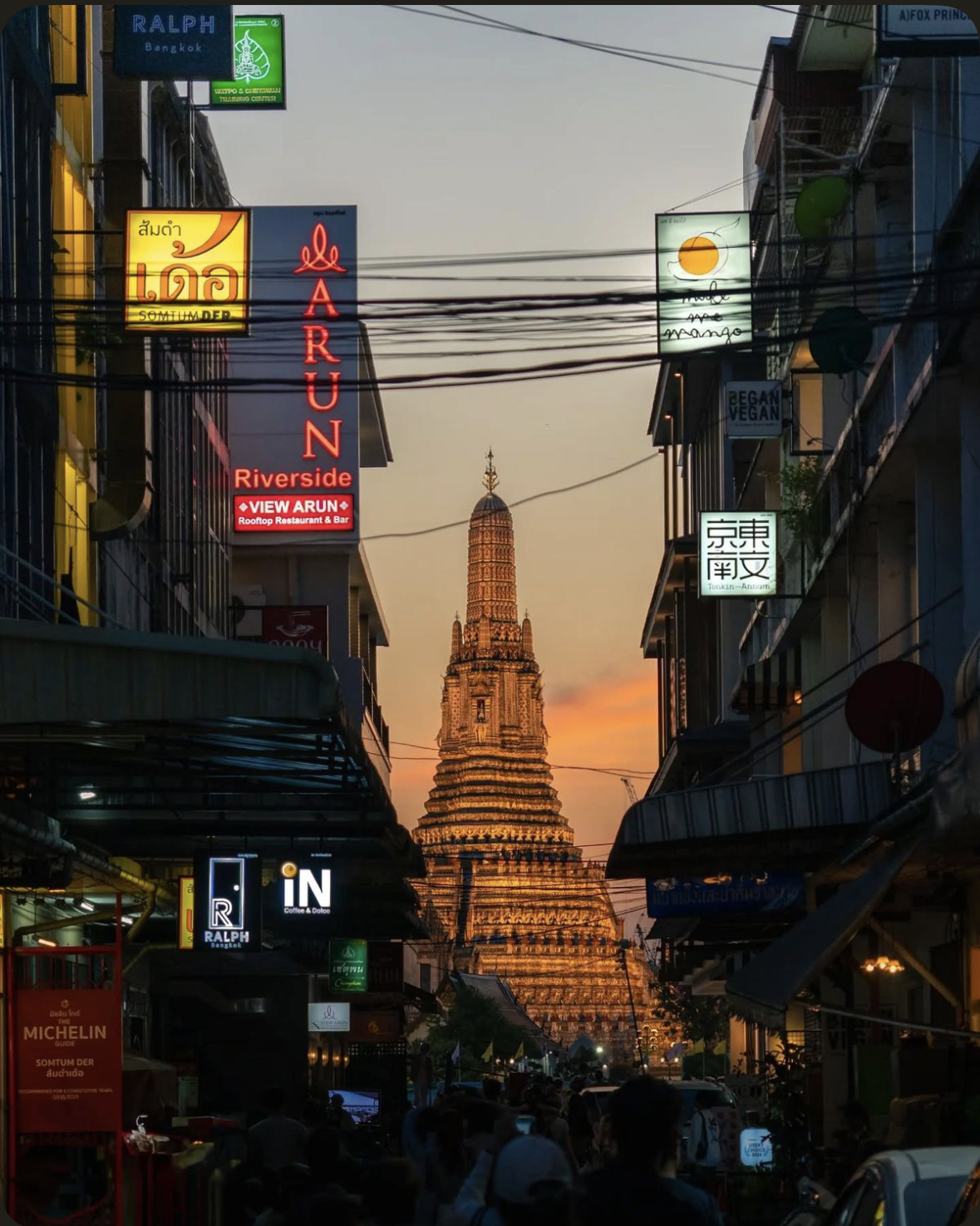
By Timo Eckenfels, Veloura Gems · Updated June 2026
Every new arrival in Bangkok asks the same question within the first week: where should I actually live? And almost everyone gets the same first answer, Sukhumvit, because it's the only name they've heard before landing. That's not wrong, exactly. But Sukhumvit isn't one place. It's a fifteen-kilometre corridor that changes character almost block by block, and treating it as a single neighbourhood is the first mistake most newcomers make.
Bangkok doesn't really have "the best area." It has ten or so genuinely different ways to live in the same city. Some are built for convenience. Some reward patience with something more textured and real. None of them are wrong, but most people only discover the right one for them after wasting a few months and a few thousand baht in the wrong one.

Your Local Ambassador
Timo Eckenfels
Timo was born and raised in Southwest Germany and has been living in Bangkok since 2024. A passionate traveler for more than 20 years, he first visited Bangkok back in 2008 and has spent years since exploring the city in depth, from its hidden street food corners to its evolving creative neighborhoods and the rhythm of daily life here.
I'm not going to pretend I've got decades of this figured out. I've been here two years, with a first visit back in 2008, and I'm still learning this city the way most of you reading this are. What I do have is a genuinely good circle of friends spread across most of these areas, so where my own experience runs out, I asked them. What I can offer is an honest, current view, not a curated highlight reel, of what these neighbourhoods actually feel like to live in right now. This guide walks through eleven areas in real depth, what each one feels like to live in, who it's genuinely built for, what it costs, and the trade-offs nobody puts in the brochure. That includes my own neighbourhood, the one I chose deliberately and still haven't wanted to leave, and a few honest opinions along the way that won't please everyone. I'd rather tell you what I actually think than write something safely neutral that helps no one decide anything.
- Honest deep dives into 11 Bangkok neighbourhoods
- Rent ranges and who each area actually suits
- The trade-offs nobody puts in the brochure
- A personal take from someone who lives here
- A quick comparison table for easy scanning
How to Use This Guide
Before the neighbourhoods themselves, a quick frame. Four things determine almost everything about your experience of a Bangkok neighbourhood.
Distance to the BTS or MRT. Bangkok's traffic makes this the single biggest quality-of-life variable in the city. A flat 600 to 900 metres from a station typically costs 20 to 40% less than the same building within 500 metres. That gap is rarely worth it once you've sat in a Sunday evening jam on Sukhumvit Road.
What you're optimising for. Convenience, community, value, or character. Almost nowhere in Bangkok gives you all four. Sukhumvit gives convenience. Ari gives community. On Nut gives value. Chinatown gives character. Knowing which one matters most to you cuts this whole decision down fast.
Where your work and social life actually happen. This sounds obvious, but it's the one people skip most. If your office is in Thonglor and most of your friends are based around there, it doesn't make much sense to fall in love with the idea of living in the Old Town. Look honestly at where your daily bubble already is before picking a neighbourhood based on atmosphere alone. The commute you imagine yourself happily doing twice and the commute you'll actually do every single day are rarely the same thing.
How long you're staying. A first year in Bangkok and a fifth year often call for different neighbourhoods entirely. Many long-term residents start in Sukhumvit for the safety net of convenience, then move somewhere quieter, cheaper, or more personal once the city stops feeling unfamiliar.
With that in mind, here's the real breakdown.
Phrom Phong: The Family-Friendly Heart of Mid-Sukhumvit
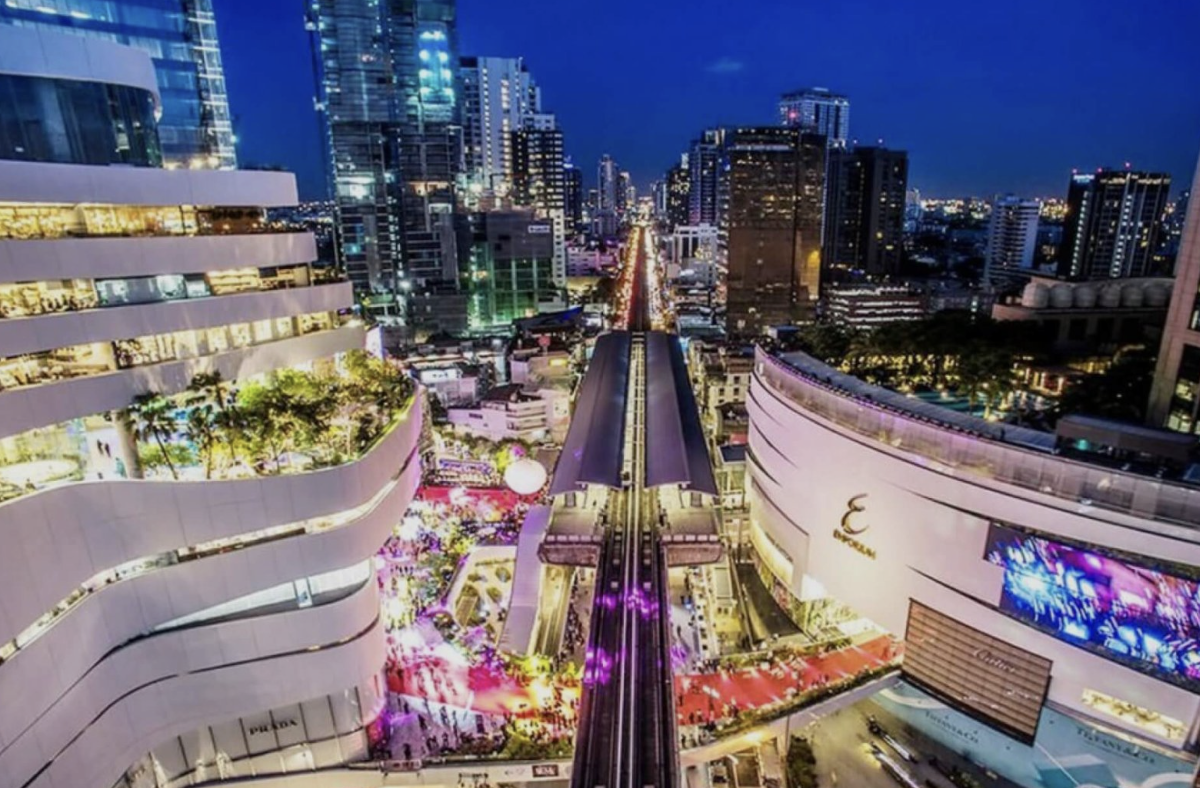
Skyline of Phrom Phong
Phrom Phong is the version of Bangkok most people picture when they imagine expat life here. It's polished, central, and built around the Emporium and EmQuartier malls, two of the most complete shopping and dining complexes in the city. Soi 24 and Soi 39 in particular have become magnets for Japanese and Korean families, which has shaped the area's restaurant scene into one of the strongest concentrations of genuinely excellent Japanese food outside Japan itself.
This is the neighbourhood for people who want Bangkok's energy without sacrificing infrastructure. International schools are close, healthcare is excellent (BNH and Samitivej Sukhumvit hospitals are both nearby), and the BTS station sits right in the middle of everything. It's also one of the more expensive parts of the city, and it can feel busy and built-up in a way that some residents eventually want to escape.
Who it's for: Families with international school commutes, anyone who wants mall-and-BTS convenience, people prioritising healthcare access.
Rent: A one-bedroom typically runs ฿22,000 to 35,000 per month. Two-bedroom family units in buildings like Waterford Diamond range from ฿35,000 to 70,000.
The honest trade-off: You're paying a premium for polish, and Phrom Phong can feel more like an international enclave than an actual Thai neighbourhood. If Thailand itself, not a curated version of it, is what you're after, look elsewhere.
Ploenchit: My Own Neighbourhood, and the One I'd Quietly Recommend Above the Rest
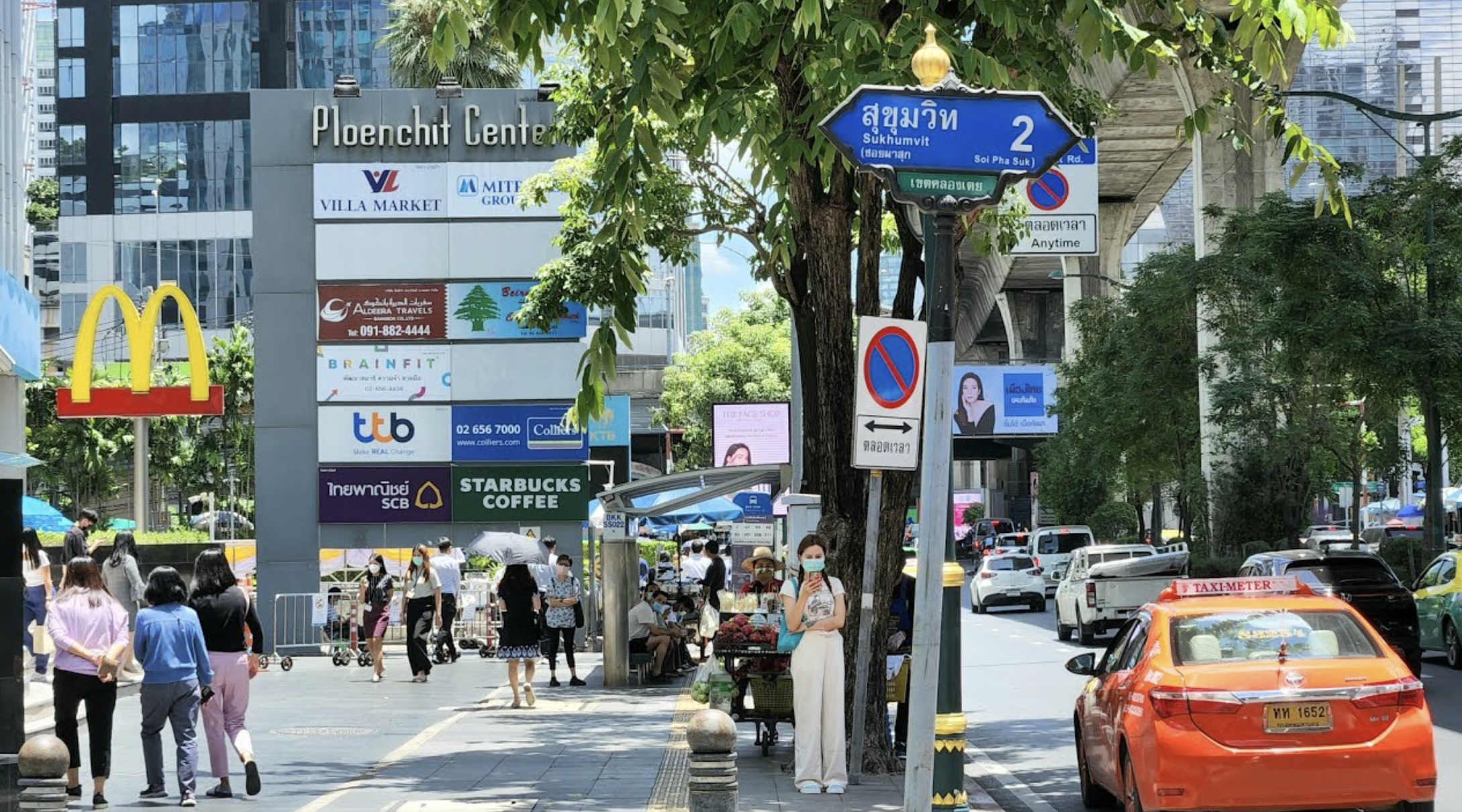
Bangkok City Downtown Walk in Ploenchit
This is the one section in this guide I can write from real, lived experience rather than research, because it's where I actually live.
I ended up in Ploenchit because my girlfriend was already living here, and the moment I saw the area, I told her this was the perfect spot for me. We're based between Lumphini Park and Benjakitti Park, and that location alone has shaped how I experience Bangkok day to day. I use both parks regularly, running, walking, playing sport, and it's a genuinely big part of why I love living here.
Ploenchit sits in lower Sukhumvit, close to Chidlom and Ploenchit BTS, and it carries a different identity than people expect from this part of the city. Yes, it has the upscale, slightly embassy-district feel that comes with being this central. But it also has Soi Polo, a wonderfully basic, local pocket of the neighbourhood that I genuinely love exploring. That contrast, refined on one side, completely unpretentious on the other, within a five-minute walk of each other, is something I haven't found anywhere else in Bangkok.
What I notice constantly living here is how close everything else feels too. Silom and Sathorn, Thonglor, Phrom Phong, they're all genuinely close by, which makes Ploenchit feel less like its own isolated pocket and more like a quiet base sitting right in the middle of the city's best parts.
Who it's for: Anyone who wants to be walking distance from Bangkok's best parks, people who want central Sukhumvit access without Sukhumvit's loudest streets, those who appreciate a neighbourhood with genuine contrast rather than one single mood.
Rent: Generally comparable to or slightly above Phrom Phong for equivalent units, given the central location and park proximity, though it varies depending on how close you are to Chidlom versus the quieter residential pockets further out.
The honest trade-off: Walkability to the BTS varies a lot here depending on exactly where you end up, some buildings are genuinely close, mine just isn't one of them. It also doesn't have Thonglor's density of cafés and nightlife on your doorstep. What you get instead is something I personally value more: two of Bangkok's best parks essentially as your backyard, and a neighbourhood that still surprises me after living here.
Thonglor: Bangkok's Most Stylish Address
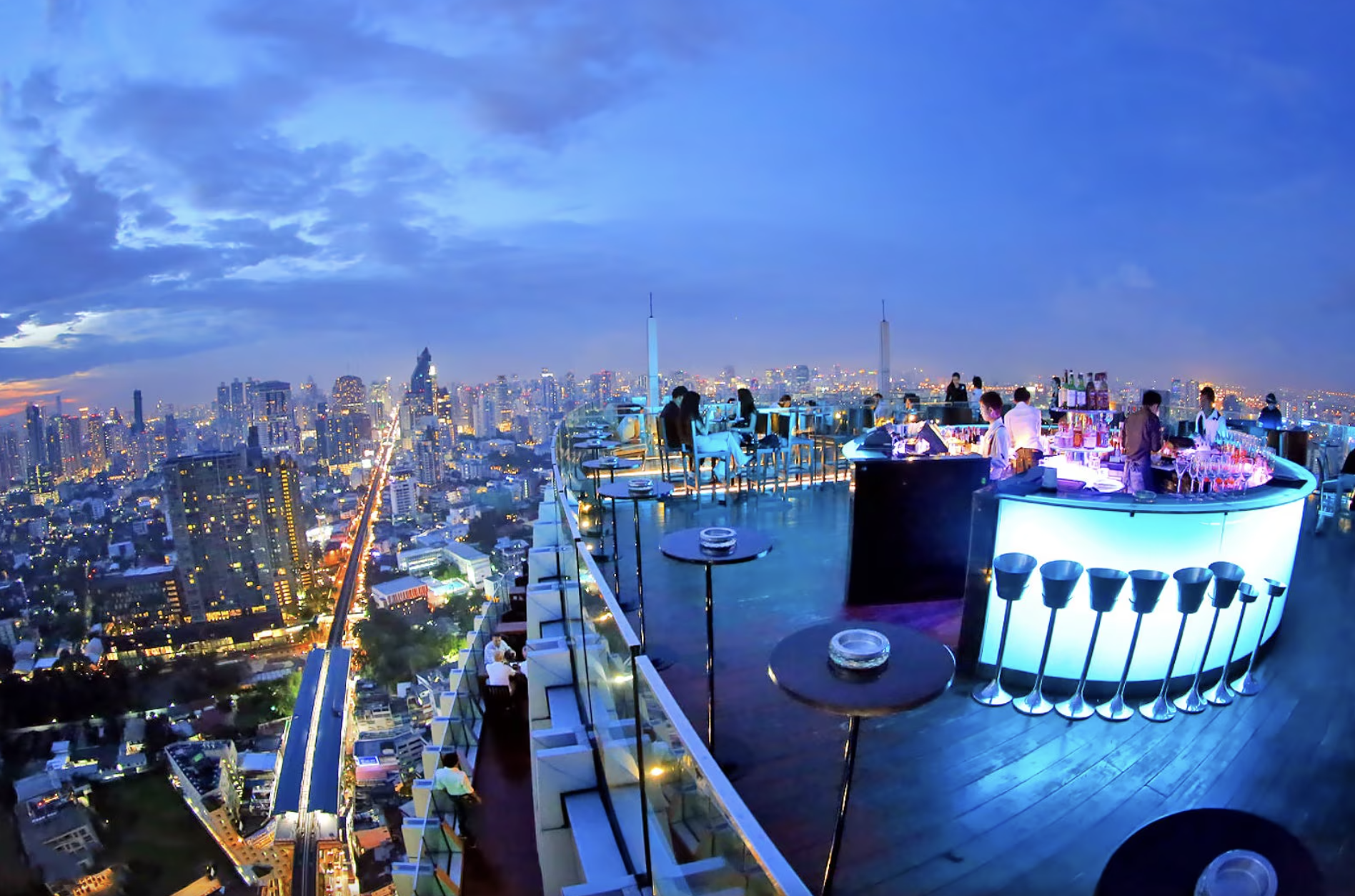
Rooftop Bar in Thonglor
Thonglor, centred on Sukhumvit Soi 55 and its connecting sois, is Bangkok's design-conscious heart. Specialty coffee shops, craft cocktail bars, boutique fitness studios, and organic grocery stores line nearly every soi. It's been the favourite of long-term expats and creative professionals for over a decade, and in 2026 it still hasn't lost that edge, even as prices have climbed to match.
The honest comparison: Thonglor in 2026 is less touristy than Silom, less chaotic than Nana, and considerably more liveable than anywhere near Khao San Road. It's also Bangkok's most expensive lifestyle district outside of true luxury riverside developments, and it can be genuinely noisy and busy, especially on weekend nights when the bar scene fills out.
Who it's for: Creative professionals, people who want Bangkok's best café and restaurant culture on their doorstep, anyone willing to pay for atmosphere.
Rent: A one-bedroom in a solid building like Noble Solo or Tela Thonglor runs ฿25,000 to 50,000 per month. High-end two-bedrooms can reach ฿80,000 or more.
The honest trade-off: This is where you pay for Bangkok's most internationally legible lifestyle scene, and that cost is real. It makes sense for a first year here. It's harder to justify long-term once your priorities shift toward value or a quieter rhythm.
My own honest take: Thonglor is a bit posh for me. It's a genuinely great area, the restaurants are excellent, there's always somewhere to go out, and a few of the smaller alleys and side streets are genuinely worth exploring on a slow afternoon. But it's not where I'd choose to live. It also leans heavily international these days, with so many expats based here that it can feel less like authentic Bangkok and more like a well-designed bubble of it.
Ekkamai: Thonglor's Cooler, Calmer Younger Sibling
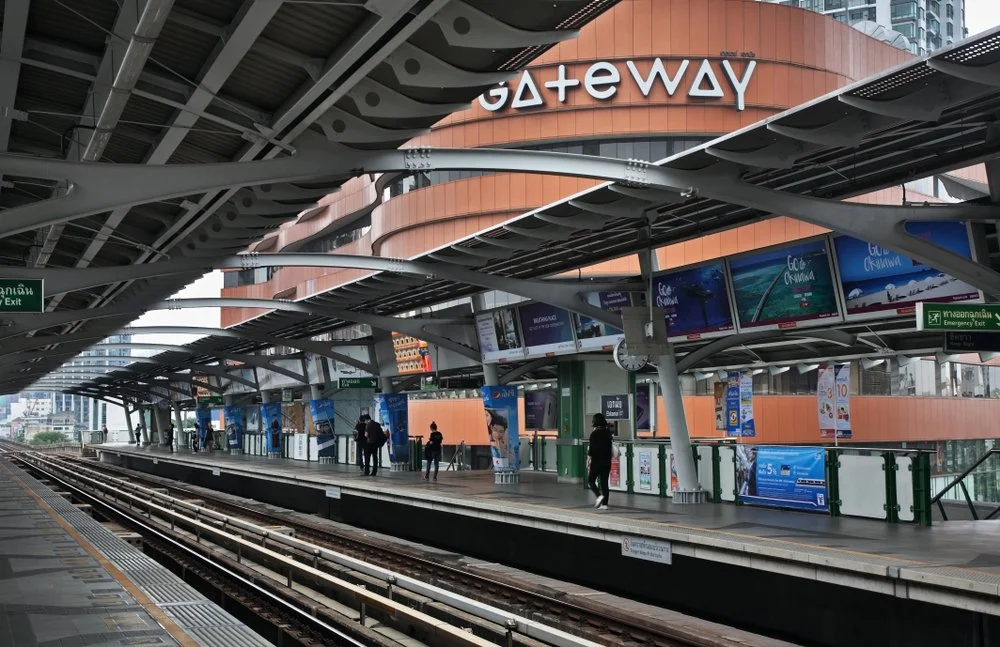
BTS Station in Ekkamai
Ekkamai sits just past Thonglor on the same BTS line, centred around Soi 63, and it's become the neighbourhood of choice for people who want the Thonglor lifestyle without the Thonglor price tag. It's quieter, more residential, and has developed its own identity rather than living entirely in Thonglor's shadow. Gateway Ekkamai mall has a genuinely good food court, and the area attracts a mix of creative types, younger professionals, and digital nomads.
Who it's for: People who want proximity to Thonglor's scene at a meaningfully lower cost, younger professionals, digital nomads who still want social access to the Sukhumvit corridor.
Rent: One-bedrooms typically run ฿22,000 to 38,000 per month, noticeably below equivalent Thonglor units.
The honest trade-off: Ekkamai's walkability to the BTS varies more than Phrom Phong or Thonglor. Check the actual walking time to the station before committing. The price gap between Ekkamai and Thonglor largely comes down to that walk, and it's worth verifying in person rather than trusting a map.
My own visits here are usually tied to my hairdresser, friends, or a couple of restaurants I genuinely like. Walking around, it feels close to Thonglor in spirit, just a notch calmer and a notch more affordable.
Ari: The Neighbourhood Bangkok Quietly Fell in Love With
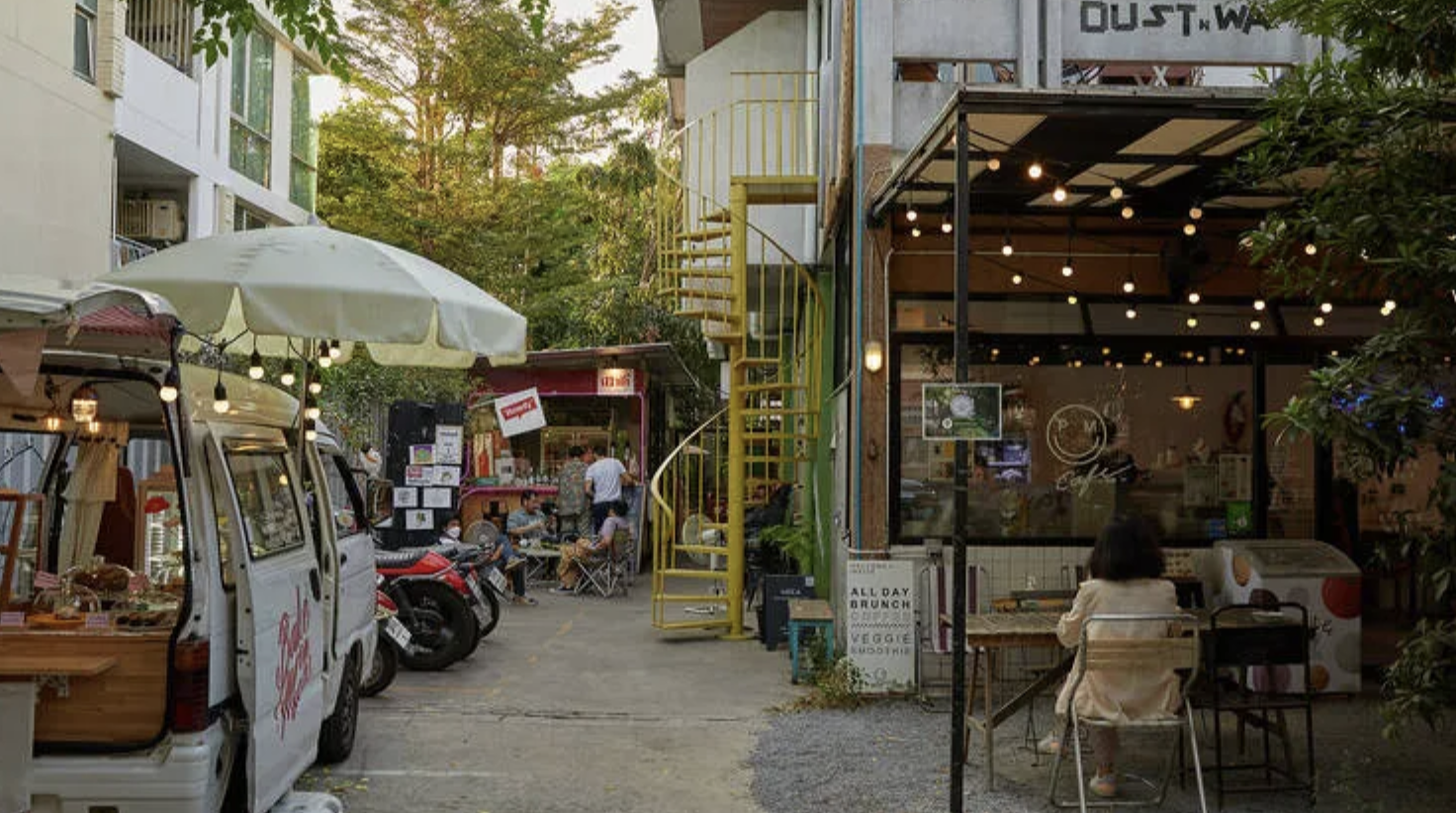
Explore Ari´s Neighborhood
Ari sits at the northern end of the BTS Sukhumvit line. In my view, and in the view of most people who've actually lived there, it's one of the best places in the city for a particular kind of resident: remote workers, people who've already done a year in Sukhumvit and want something different, anyone who wants Bangkok to feel like a real neighbourhood rather than a commercial strip.
Indie cafés, small galleries, excellent and often hidden street food, and a noticeably calmer pace define Ari. It's on the BTS, about ten minutes to Siam, so you're not sacrificing connectivity. What you're trading for is the polish of Sukhumvit proper, replaced by something more local and more genuinely Bangkok.
Who it's for: Remote workers and digital nomads who want community and café culture, people past their first Bangkok year looking for something calmer, anyone who values a genuine neighbourhood feel over mall access.
Rent: A solid one-bedroom at a building like Centric Ari Station runs roughly ฿15,000 to 22,000 per month, noticeably more affordable than mid-Sukhumvit for comparable quality.
The honest trade-off: Ari's food and café scene is excellent but smaller in scale than Thonglor's. If you want endless options every night of the week, this isn't quite that. What you get instead is a place that rewards actually getting to know it.
A few of my friends live there, and every time I visit, the impression is the same: beautiful, genuinely calm, the kind of unhurried pace I'd personally choose over busier parts of the city. It's one of the areas in Bangkok I respect most.
On Nut: Where Bangkok's Value Hunters End Up
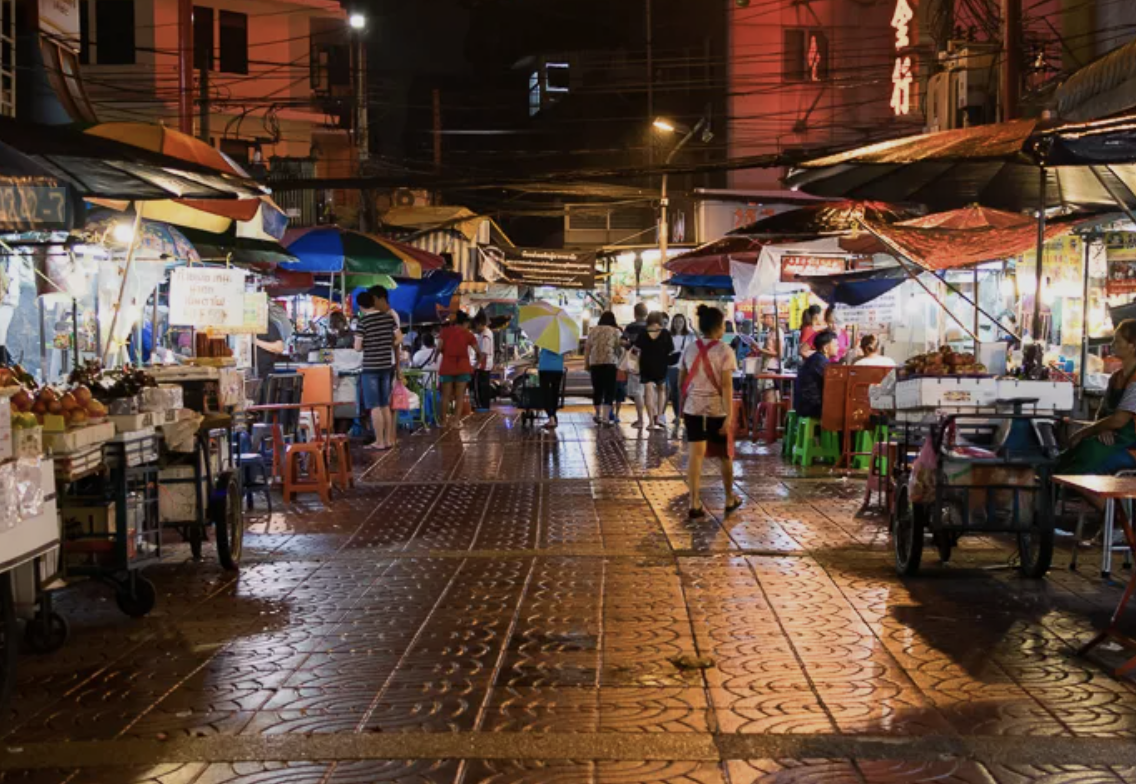
Street Food Vendors in On Nut
On Nut is the neighbourhood that experienced expats increasingly point newcomers toward once they understand the city is more than Sukhumvit's premium stretch. It sits at the upper end of the Sukhumvit BTS line, far enough out to escape the premium pricing of mid-Sukhumvit, close enough to stay genuinely connected. The BTS station sits above a busy intersection with Tesco Lotus, Big C, and a sprawling wet market, and the side streets are full of local restaurants, massage shops, and small family businesses. You'll hear more Thai than English here, which for many people is exactly the point.
On Nut has grown its expat community significantly in recent years without losing its working-class, genuinely local character, something Thonglor lost a long time ago.
Who it's for: Budget-conscious renters who still want BTS access, people who want real Bangkok rather than an expat bubble, anyone willing to trade some polish for meaningfully lower rent.
Rent: Studios start from around ฿10,000 to 16,000 per month, with one-bedrooms typically ฿14,000 to 22,000.
The honest trade-off: On Nut is sprawling, and the neighbourhood quality varies more block to block than the more curated Sukhumvit stretches. Stick close to buildings near the BTS, and ideally test the commute with a short-term rental before committing to a year-long lease.
My own daily life happens further up the line, so what I know about On Nut comes mostly from friends who live there and genuinely love it. If value and authenticity matter more to you than the polish of central Sukhumvit, this is the area worth seeing for yourself.
Silom and Sathorn: Bangkok's Business District With a Different Rhythm
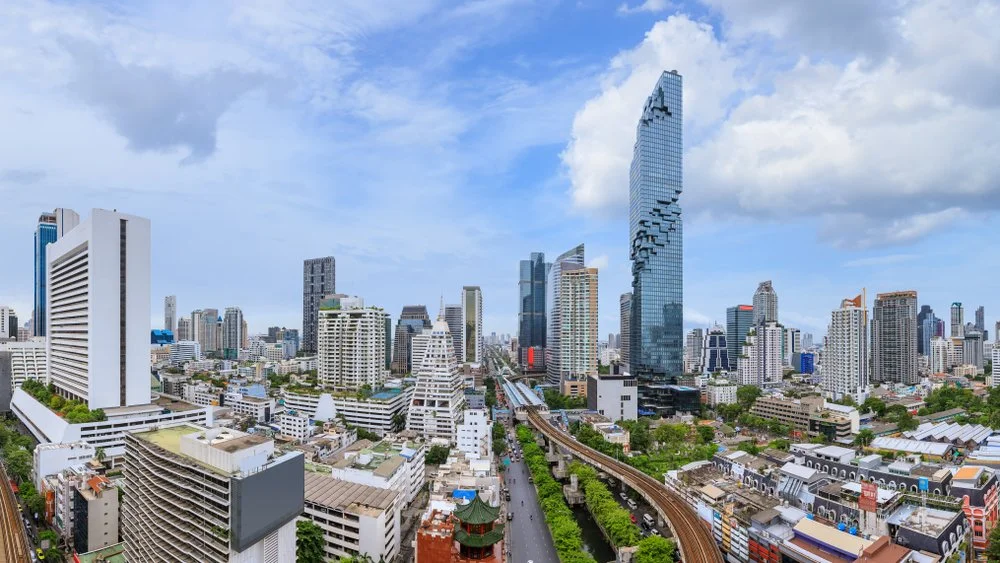
Skyline of Silom & Sathorn
Silom and Sathorn form Bangkok's central business district, and living here means a different rhythm than Sukhumvit's residential corridor. If you work at one of the towers on Sathorn Road, you can genuinely walk from your condo to the office in ten minutes, skip the BTS entirely, and still be close enough to Lumphini Park for a morning run. The area is well-served by both BTS and MRT, with Chong Nonsi and Lumphini stations covering most of the district.
The nightlife here skews toward a slightly older, more professional crowd than Sukhumvit. Weekend brunch culture is strong, and the rooftop bar scene along Sathorn is consistently excellent, this is where you'll find some of the city's best skyline views without the tourist crowds of more famous rooftop spots.
Who it's for: Professionals working in the CBD, anyone who wants Lumphini Park access, people who prefer a business-district rhythm over Sukhumvit's residential one.
Rent: One-bedrooms run ฿16,000 to 35,000 per month depending on proximity to the BTS or MRT and building age.
The honest trade-off: Silom and Sathorn empty out somewhat on weekends compared to Sukhumvit, since much of the area's daytime population commutes in for work. If you want a neighbourhood that feels alive around the clock, this is more functional than vibrant outside office hours.
I genuinely like both of these areas. There's a lot of charm here, good places to go out, and some hidden alleys that feel surprisingly quiet for how central everything is. The nightlife scene is interesting, though it's not really my own scene and I tend to avoid it, but overall this is an area I enjoy simply wandering around without a plan.
Worth a separate mention here: Yenakart, a small, quiet pocket close to Sathorn, easy to miss if you're not specifically looking for it. I stayed there for a few days and really liked it, genuinely walkable, calm, and home to some beautiful older houses tucked along its sois. It's not a place most guides mention, but it's worth a look if Silom and Sathorn's pace appeals to you and you want something even quieter just around the corner.
Chinatown (Yaowarat): Living Inside Bangkok's Oldest Story
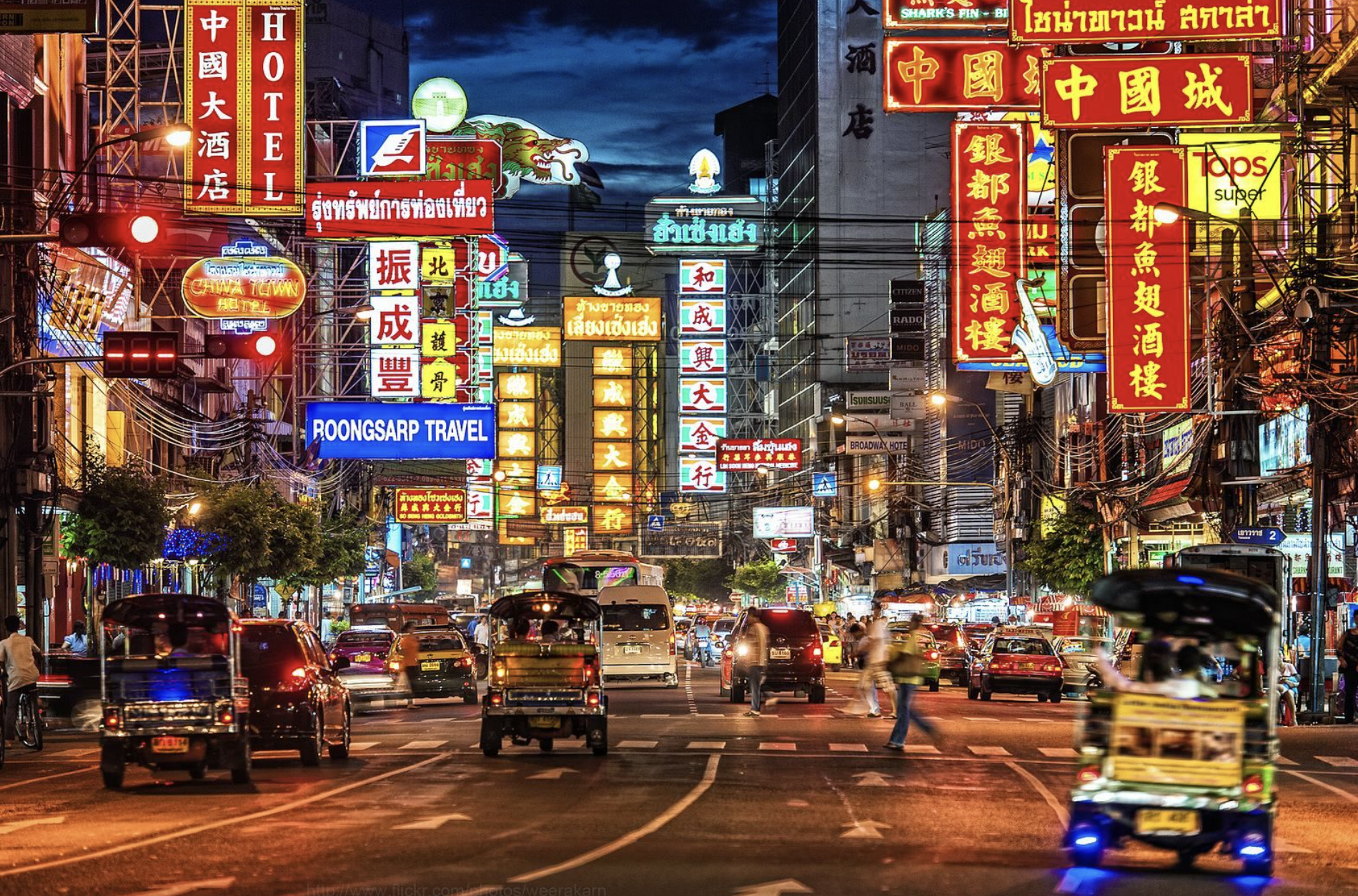
Neon lights and traffic on Yaowarat Road at night in Chinatown
Chinatown is not where most expats choose to live, and that's exactly its appeal for the kind of person it suits. Centred on Yaowarat Road, a 1.5-kilometre artery that winds through the district in a dragon-like pattern, this is one of the oldest and most vibrant Chinese communities in the world. Chinese merchants settled here in 1782, when Bangkok became the new capital, and the neighbourhood has never really stopped being theirs.
Living in Chinatown means neon signs, gold shops, century-old family-run restaurants, and a sensory intensity that doesn't exist anywhere else in the city. The MRT Blue Line's Wat Mangkon station, opened in 2019, transformed access to the area, making it a genuinely viable place to live rather than just visit.
Who it's for: People who want texture and authenticity over polish, photographers and creatives, anyone who wants to live inside Bangkok's history rather than its commercial present.
Rent: Generally more affordable than central Sukhumvit, though the rental market here is smaller and less standardised, with fewer modern condo developments and more converted shophouse-style units.
The honest trade-off: Chinatown is loud, dense, and chaotic in a way that some people love and others find exhausting after a few months. English is less common here than in Sukhumvit, and daily errands require more patience. It's also genuinely one of the most rewarding places to actually live in Bangkok if that trade works for you.
My own relationship with Chinatown is a bit complicated, and I think that's honest enough to share. I love Yaowarat itself, the main street is genuinely beautiful, and it's one of the first places I take friends when they visit Bangkok. But Yaowarat at its busiest is also too chaotic for my taste. Too many tourists, too much noise, and there's a point on every visit where I'm genuinely happy to leave. That said, I always come back, partly because the food along that street is some of the best in the city, and partly because just south of it sits Song Wat, a quieter, genuinely beautiful riverside lane that can still get crowded but carries none of Yaowarat's intensity. If Yaowarat is Chinatown's loud main stage, Song Wat is where I'd actually want to spend a slow afternoon.
Talad Noi: My Quiet Favourite Just South of Chinatown's Chaos
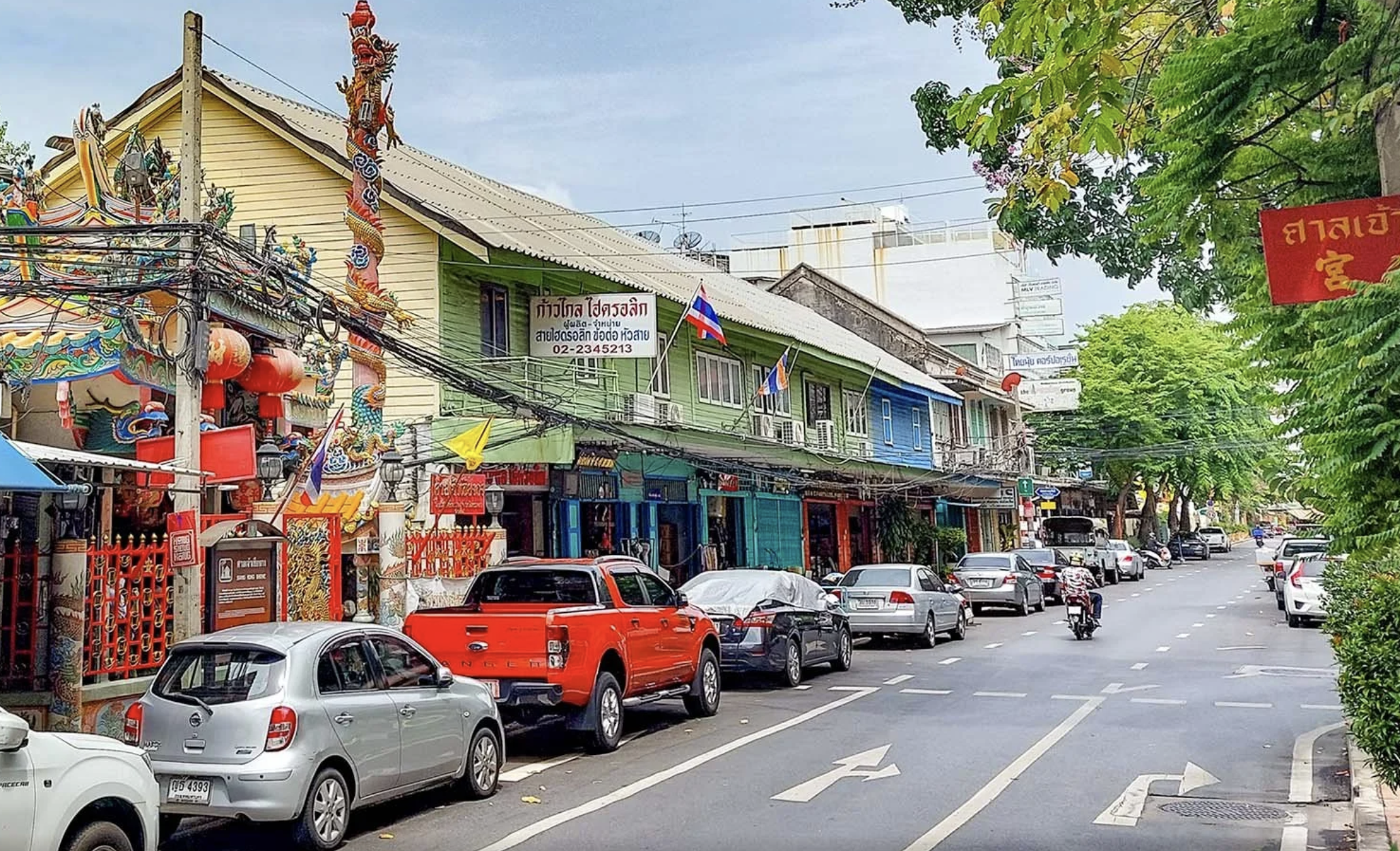
Talad Noi - Exploring one of Bangkoks oldest neighbourhoods
If Yaowarat is Chinatown's loud, neon-lit main stage, Talad Noi is the quarter that lives just south of it, and quietly, it's become one of my own favourite parts of the entire city. This is an old riverside neighbourhood of narrow lanes, Portuguese-influenced architecture, shrines tucked between metal workshops, and some of the oldest shophouse buildings in Bangkok. In recent years, a number of these old town houses have been carefully restored into cafés, small galleries, and a handful of genuinely excellent restaurants, without losing the worn, lived-in character that makes the area feel real rather than curated.
Beyond the architecture itself, what I notice every time is how different it feels from Yaowarat just a few minutes' walk away. Where Yaowarat overwhelms with noise and crowds, Talad Noi slows down. The townhouses are genuinely beautiful, and the small restaurants tucked into these old buildings consistently surprise me. Of everywhere on this list outside my own neighbourhood, this is one of the very few places I could honestly picture myself living.
Who it's for: People drawn to architecture and atmosphere, photographers and creatives, anyone who wants Chinatown's history without Yaowarat's intensity.
Rent: Limited and largely unstandardised, mostly converted shophouse-style units rather than modern condo developments. Generally on the more affordable end compared to central Sukhumvit, though genuinely available stock is scarce.
The honest trade-off: This is a small, quiet quarter, not a self-contained neighbourhood with every convenience on your doorstep. Daily errands often mean a short trip into Chinatown proper or onto the MRT. It rewards people who want atmosphere and don't mind a slightly less convenient daily life in exchange for it.
Old Town (Rattanakosin): Living Among the Temples
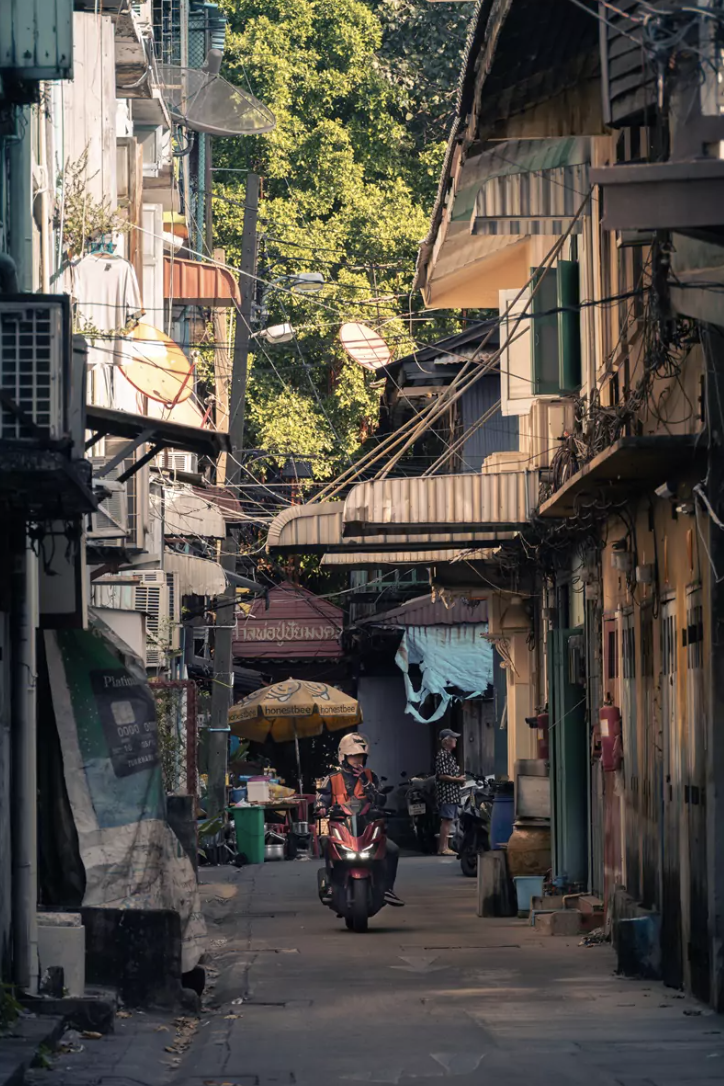
Typical Streets in Old Town, Bangkok
Rattanakosin, Bangkok's historic Old Town, is where the city began. The Grand Palace, Wat Pho, and Wat Arun are all here, so living in this district means having those landmarks as your everyday backdrop, not just a place you visit once. It's not a common choice for long-term expat living, but for people drawn to history and a slower pace, it's hard to beat.
The Old Town is quieter at night than almost anywhere else on this list, dominated by temple grounds, government buildings, and a more traditional, less commercial street life. It connects easily to Chinatown on foot, and the river ferry network makes getting around without the BTS entirely possible, if slower.
Who it's for: History and culture-focused residents, people who want a slower, more traditional pace, anyone prioritising proximity to the river and Bangkok's original heart over nightlife or modern amenities.
Rent: Limited modern rental stock. Most long-term housing here is in older buildings or guesthouses converted for longer stays, generally on the more affordable end, but options are genuinely scarce compared to anywhere else on this list.
The honest trade-off: This is the hardest neighbourhood on this list to actually live in long-term as a foreigner. Few modern conveniences, limited rental options, and a daily commute to anywhere modern in the city takes real time. It rewards people who choose it deliberately, not people who land here by accident.
For me, this is the area I bring friends to when they're visiting and I want to show them a different side of Bangkok. I genuinely like the atmosphere, the slower pace, the temples. It's a place I'd recommend experiencing deeply before deciding whether to live there, since it asks more of you day to day than anywhere else on this list.
A Quick Comparison
| Neighbourhood | Best For | One-Bedroom Rent | Vibe |
|---|---|---|---|
| Phrom Phong | Families, healthcare access | ฿22,000 to 35,000 | Polished, international |
| Ploenchit | Park access, central calm | ฿22,000 to 38,000 | Refined and local, side by side |
| Thonglor | Café culture, nightlife, design | ฿25,000 to 50,000 | Stylish, expensive |
| Ekkamai | Thonglor lifestyle, lower cost | ฿22,000 to 38,000 | Calmer, residential |
| Ari | Remote workers, community | ฿15,000 to 22,000 | Local, creative |
| On Nut | Value, real Thai life | ฿14,000 to 22,000 | Local, sprawling |
| Silom/Sathorn | CBD professionals | ฿16,000 to 35,000 | Business district |
| Chinatown | Texture, authenticity | Varies, generally affordable | Dense, historic |
| Talad Noi | Architecture, quiet character | Limited, generally affordable | Quiet, atmospheric |
| Old Town | Culture, slower pace | Limited stock | Traditional, quiet |
Frequently Asked Questions: Best Neighbourhoods in Bangkok
So, Where Should You Actually Live?
If this is your first year in Bangkok, start in Sukhumvit, specifically Phrom Phong, Thonglor, Ekkamai, or Sathorn, for the safety net of convenience while you learn the city. Most long-term residents I know followed roughly this path: a first year somewhere central and easy, then a move once they understood what they actually wanted from the city, rather than what the internet told them to want.
If value matters most, On Nut is genuinely one of the smartest decisions in Bangkok right now. If community and a slower pace matter more than nightlife, Ari has earned its reputation. If you want Bangkok to feel like history rather than a shopping mall, Chinatown or the Old Town will give you that in a way nowhere else in this city can.
And if you ask me personally, the answer is Ploenchit. Not because it's the obvious choice or the one everyone recommends, but because two of the city's best parks are essentially my backyard, and that's changed how I live here more than any single feature in any other neighbourhood on this list.
There's no universally correct answer here. There's only the answer that fits the life you're actually trying to build.
If you have questions about any of these neighbourhoods, or your own experience living in one that you think others should know about, reach out to us at veloura.gems@gmail.com. We'd genuinely love to hear it.
Veloura Gems is a community and guide platform for Bangkok and Koh Phangan, built by people who live here, for people figuring out how to. For more guides on cost of living, visas, and getting settled in Bangkok, explore the rest of our guides at veloura-gems.com/guide.
Rent figures in this guide are based on June 2026 market data and vary by building age, floor, and furnishings. Always verify current listings before making a decision. We update our guides regularly. If something has changed, let us know.
Veloura App
There is more to explore.
Bangkok, Koh Phangan and Northern Thailand, beyond the obvious.
