
Cost of Living in Bangkok for Expats (2026): The Real Numbers
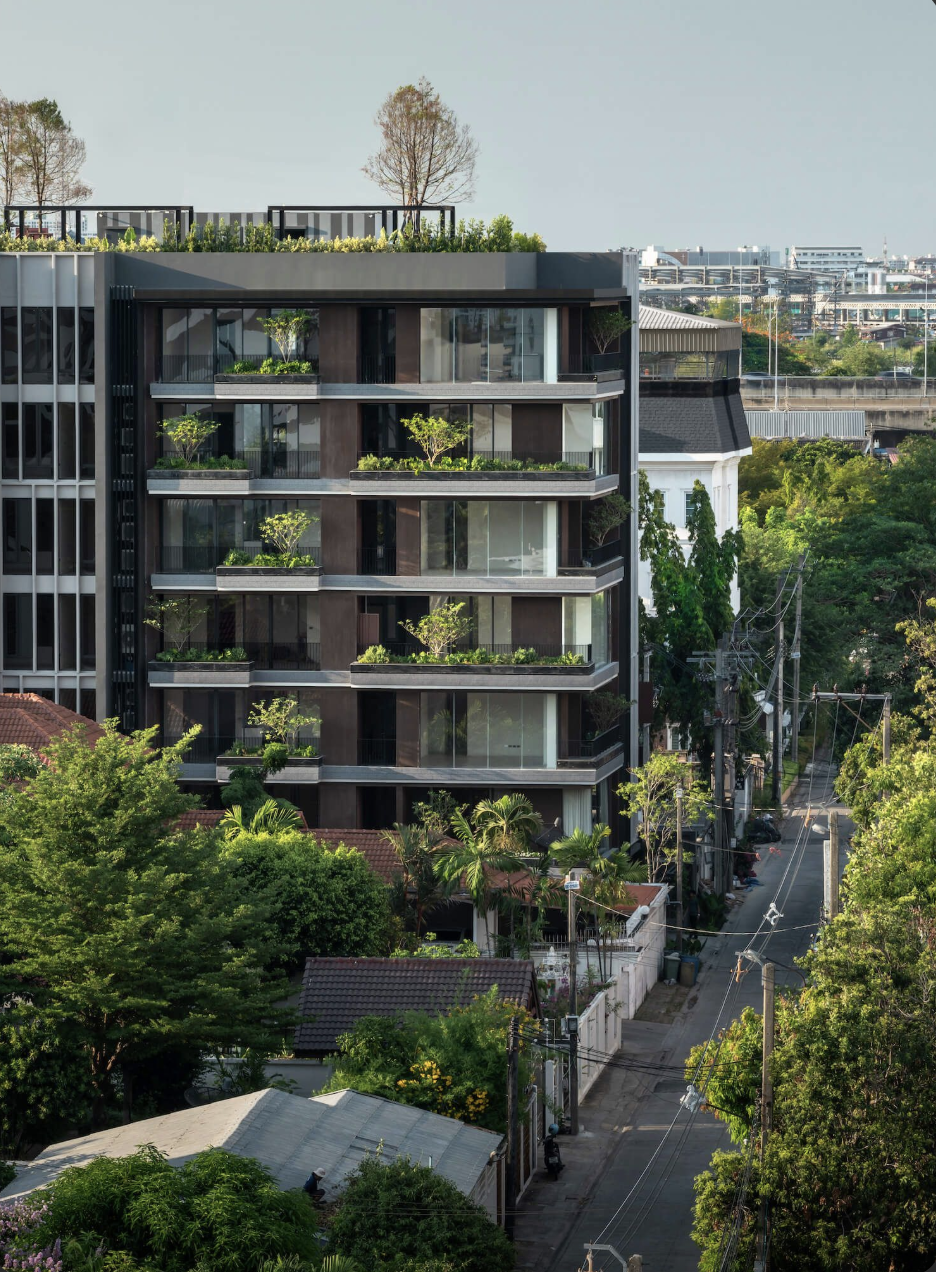
By Timo Eckenfels, Veloura Gems · Updated June 2026
Bangkok is not as cheap as it was five years ago. Rents have gone up, specialty coffee isn't the bargain it used to be, and if you're chasing the $800-a-month dream you read about in some 2019 blog post, you're going to arrive with the wrong expectations.
But here's what's still true: Bangkok is one of the best-value cities on earth for the quality of life it delivers. World-class healthcare, fibre internet faster than most European capitals, streets full of genuinely excellent food at every price point, and a public transport system that, when you live near it, removes most of the friction from daily life.

Your Local Ambassador
Timo Eckenfels
Timo was born and raised in Southwest Germany and has been living in Bangkok since 2024. A passionate traveler for more than 20 years, he first visited Bangkok back in 2008 and has spent years since exploring the city in depth, from its hidden street food corners to its evolving creative neighborhoods and the rhythm of daily life here.
The question isn't whether Bangkok is affordable. It is. The question is: affordable for what kind of life?
I first came to Bangkok in 2008 and moved here two years ago. Back then, the euro was buying you around 47 to 49 THB. Today it's closer to 38. That gap matters. Over the years, Bangkok has become meaningfully more expensive for Europeans both in absolute terms and through exchange rate shifts. The city I found in 2008 was a different place entirely. Street food cost half of what it does now, rents in good neighbourhoods were almost laughably low, and the expat community was a fraction of its current size.
None of that means Bangkok isn't worth it. It absolutely is. But you deserve accurate numbers, not nostalgia.
- Rent, utilities, and lease realities
- Food, coffee, and drinking costs
- Transport and hidden Grab costs
- Nightlife, coworking, and health insurance
- Real monthly budget breakdown by lifestyle tier
The Three Tiers: What Kind of Life Are You Buying?
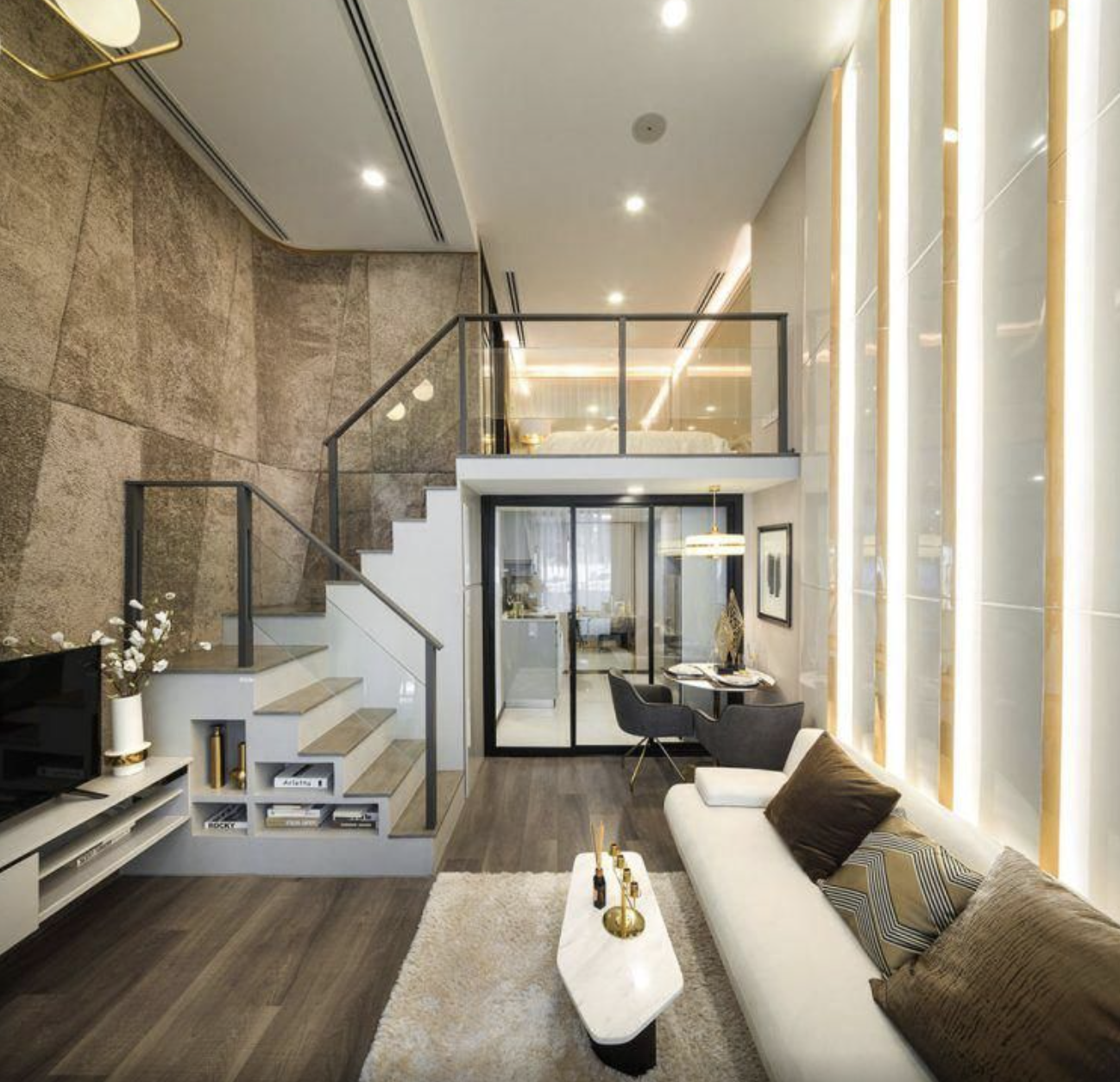
Interior Design Bangkok Home
Before the numbers, a frame. In Bangkok, your monthly budget buys one of three versions of the city.
The lean life (฿30,000 to 40,000 / roughly €800 to 1,050 per month) You're in a studio in On Nut or Phra Khanong, eating street food most days, using the BTS and Grab, skipping the specialty coffee habit. This life is genuinely comfortable, not spartan. But you're making trade-offs on space, neighbourhood, and how much you eat outside your comfort zone.
The comfortable life (฿45,000 to 70,000 / roughly €1,200 to 1,850 per month) A proper one-bedroom in Ari, Ekkamai, or Phrom Phong. You eat street food most of the time but go to a real restaurant a few times a week. You have a coworking membership or work from nice cafés. You go out occasionally. This is the sweet spot for most remote workers and digital nomads, and the version of Bangkok that makes people extend their visas.
The quality life (฿75,000 to 120,000+ / roughly €2,000 to 3,200+ per month) Thonglor or Sukhumvit proper. A larger apartment, private health insurance that doesn't give you anxiety, regular travel within Thailand on weekends, a proper gym membership, and the freedom to not think twice before spending. Families with one or two children will sit here at minimum, before school fees enter the picture.
Rent: The Number Everything Else Organises Around
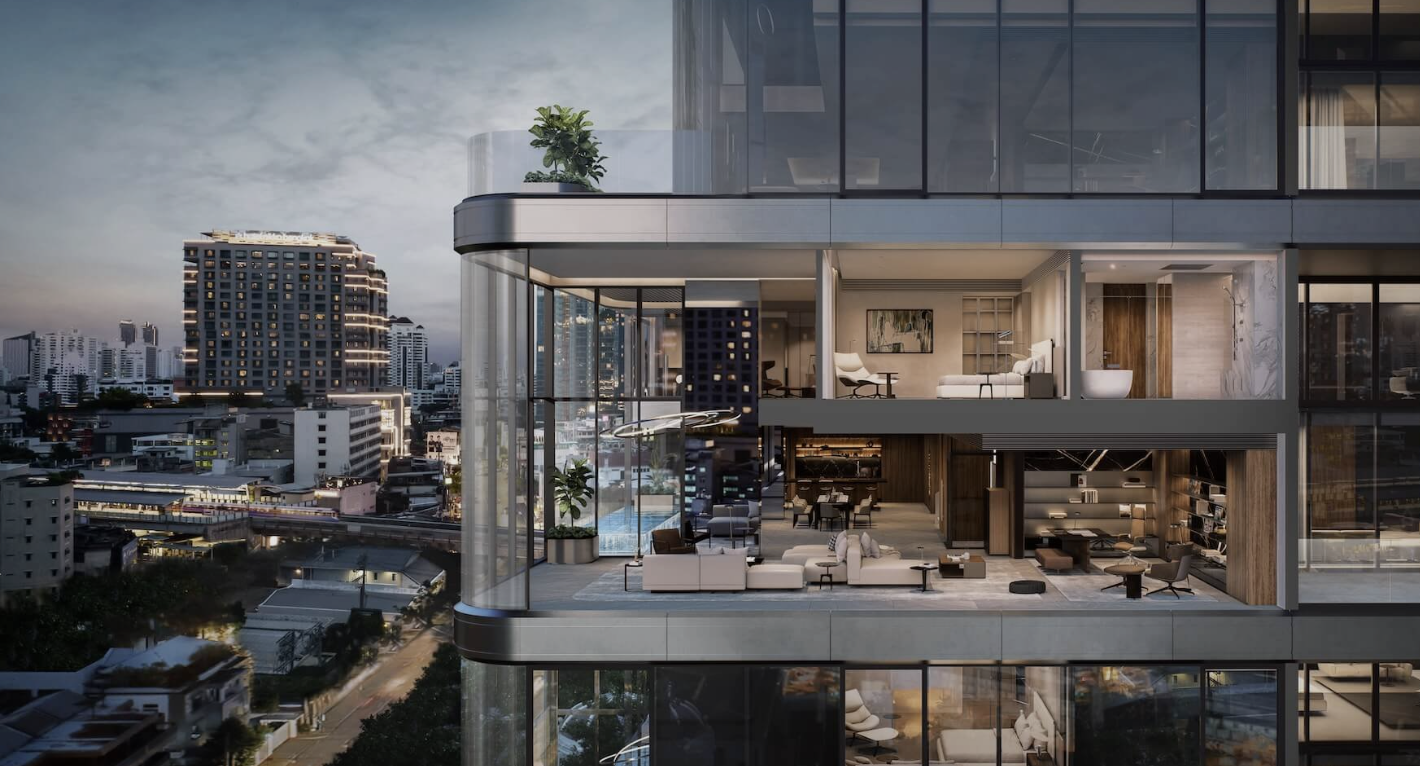
Porsche Design Tower Bangkok
Rent is your biggest variable and the one that has risen the most. What you pay depends almost entirely on two things: how close to a BTS or MRT station you are, and which neighbourhood you choose.
Central and prime neighbourhoods (Sukhumvit, Thonglor, Phrom Phong)
A studio of 30 to 40 m² runs ฿18,000 to 28,000 per month. A one-bedroom of 45 to 60 m² runs ฿25,000 to 40,000. A two-bedroom of 70 to 90 m² runs ฿40,000 to 70,000. A three-bedroom family-size unit of 90 to 200 m² runs ฿75,000 to 100,000.
Mid-tier but well-connected (Ari, Ekkamai, Silom/Sathorn)
Studios start around ฿14,000 to 22,000 per month. One-bedrooms run ฿22,000 to 35,000.
Outer but on the BTS line (On Nut, Phra Khanong, Bang Na)
Studios from ฿10,000 to 16,000 per month. One-bedrooms from ฿14,000 to 22,000.
A few things worth knowing that most guides don't say.
You almost always need to sign a one-year contract. Monthly or two-month rentals are the exception, not the norm. Most landlords require a 12-month lease with a deposit of one to two months' rent upfront. Factor that into your arrival budget. You'll need ฿30,000 to 80,000 in cash before you've paid your first month, depending on the apartment.
Airbnb is technically not allowed in Thailand. Short-stay rentals under 30 nights in residential buildings are illegal under Thai hotel law. It's widely ignored in practice, but if you're planning to stay in an Airbnb while you find a place, know the legal grey area you're in. For anything longer than a couple of weeks, go direct with a landlord or use a serviced apartment.
Buildings from the early 2000s often have larger floor plans than newer towers at the same price point. The new luxury supply has driven up prices in prime areas while older, well-maintained buildings one or two sois off the main road still offer real value. A high-rise condo in a prime Sukhumvit location is typically 30 to 60 sqm for a one- or two-bedroom unit, with great facilities. Older buildings tend to offer more space, better kitchens, and a more practical layout, but the facilities are usually less impressive.
It's worth knowing what's actually included in that rent before you compare prices across buildings. Many condos, especially newer ones, bundle in a surprising amount: swimming pool, gym, sometimes even a private cinema room, a library or co-working lounge, a garden, and 24-hour security. None of that shows up as a separate monthly cost, it's baked into the rent. A building with strong facilities can genuinely replace a gym membership and a co-working pass, so it's worth weighing into the total cost rather than comparing rent figures alone.
The gap between "on the BTS" and "fifteen minutes from the BTS" is significant in Bangkok. A walk that sounds fine on Google Maps becomes something else in August humidity or during the rainy season. Live on the line if you can afford it.
Not sure which neighbourhood suits you best? Our Best Neighbourhoods in Bangkok guide breaks down eleven areas in real depth, with honest trade-offs and rent ranges for each.
Utilities: The Surprise Line Item
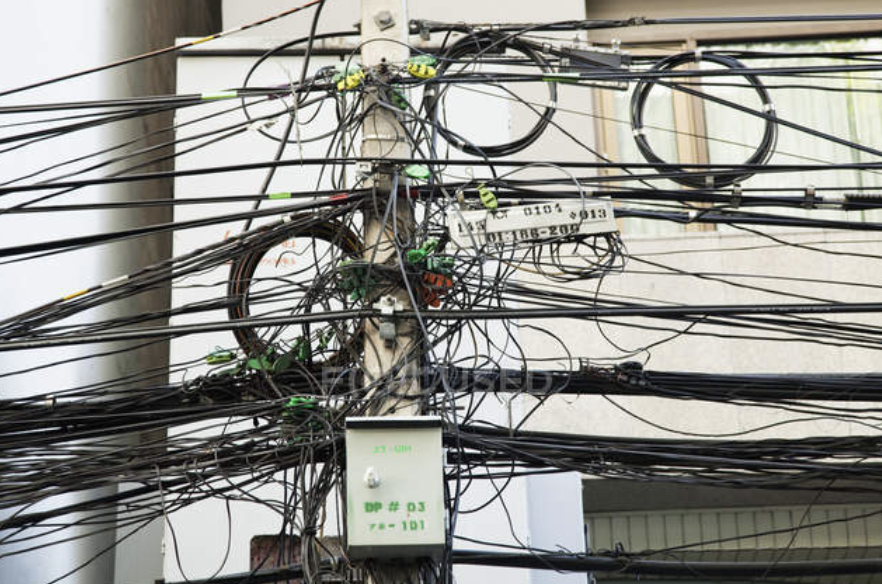
Is part of Bangkok's cityscape
Most expats underestimate this. Bangkok's heat is not optional. Running air conditioning eight or more hours a day, which is what most people end up doing, generates an electricity bill that can genuinely shock you the first month.
Electricity runs ฿2,000 to 4,500 per month depending on AC usage, building metering, and season. August and September are expensive. December and January are cheaper. Water adds another ฿200 to 400. Fibre internet at 300 to 1,000 Mbps costs ฿600 to 800 per month. Total utilities for a one-bedroom apartment typically land between ฿3,000 and 6,000 per month.
One thing to check before signing any lease: whether the building uses a shared electricity meter or an individual one. Shared metering is common in older buildings and means you're charged at a higher rate than the state utility tariff, sometimes nearly double. Ask before you sign. It matters.
Food: Bangkok's Clearest Advantage
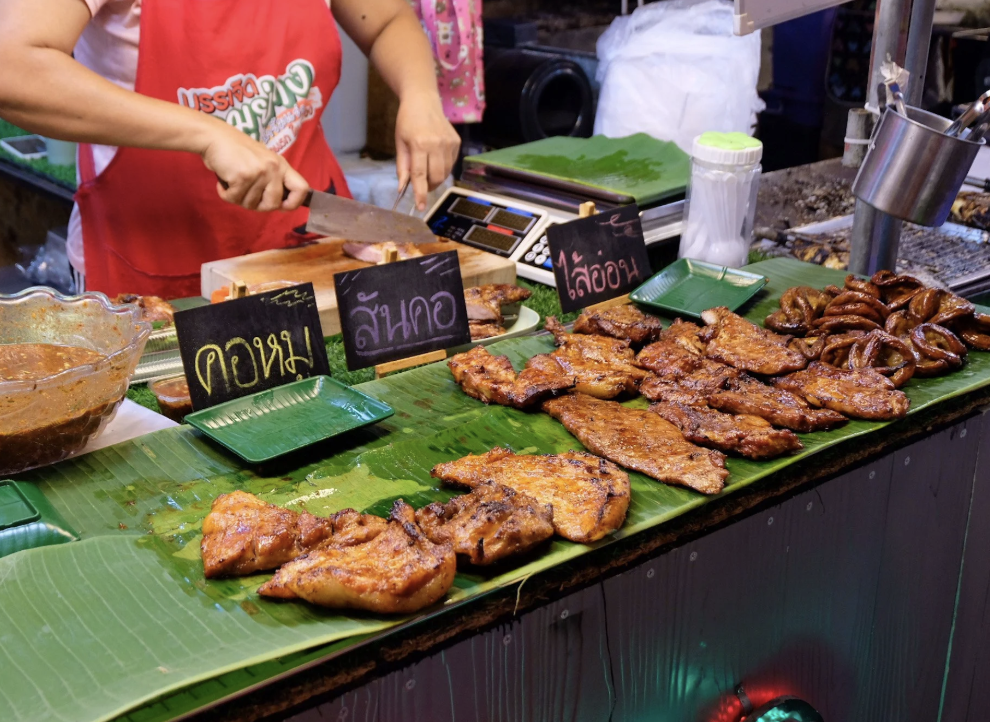
This is where Bangkok still wins, completely and without argument. The quality-to-price ratio on food in this city is unlike anywhere else in the world.
Street food and local spots. A meal from a street stall or local shophouse restaurant costs ฿50 to 120. This isn't survival food. This is pad kra pao, boat noodles, grilled pork with sticky rice, khao man gai from the place that's been doing it for forty years. Eating this way daily is how Bangkok earns its reputation.
Food courts and market food. Most shopping centres have a food court where a full meal runs ฿80 to 150. MBK, Terminal 21, and Central Embassy all have good ones at different price points.
Sit-down local restaurants. A proper Thai meal at a neighbourhood restaurant with a beer runs ฿200 to 400 for one person.
Western and international. A pasta, a burger, or something recognisable from back home runs ฿300 to 600 per person. Not expensive by Western standards. Just not Bangkok's strength.
Specialty coffee. Bangkok's café culture is serious and the prices reflect it. A flat white or pour-over at a good independent café: ฿120 to 200.
Beer versus wine. Beer is cheap. A Chang or Singha at a local spot runs ฿60 to 100, less at a convenience store. Wine is a different story entirely. Thailand's import duties on alcohol are steep, and a decent bottle at a restaurant will cost ฿1,000 to 2,500. If you're used to wine with dinner every night, that habit will cost you significantly more here than at home.
Groceries. Cooking at home with local ingredients is cheap, around ฿3,000 to 5,000 per month for one person. Cooking with imported produce (proper cheese, sourdough, European dairy) from Villa Market or Gourmet Market costs roughly three to four times more per item. Most long-term residents do a mix: local for everyday cooking, imported for the things they genuinely miss.
For a realistic monthly food budget: eating mostly local with occasional home cooking lands around ฿8,000 to 12,000. A mixed diet of good Thai food plus occasional restaurants and cafés runs ฿15,000 to 22,000. A largely international lifestyle with regular restaurant meals sits at ฿25,000 to 35,000 or more.
Transport: Cheap If You Live on the Line
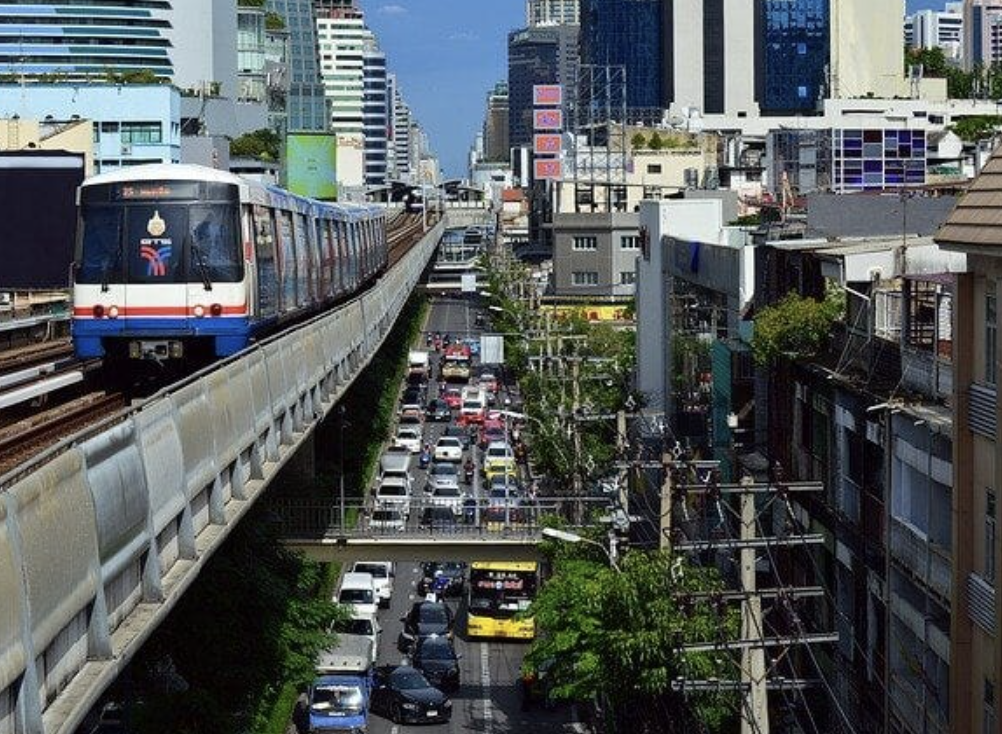
Sukhumvit Road Bangkok
Bangkok's BTS Skytrain and MRT metro are genuinely good. Clean, air-conditioned, punctual, and affordable. A single BTS or MRT journey costs ฿17 to 62 depending on distance. A monthly transit pass runs ฿1,300 to 1,500. Grab cars for a typical in-city trip cost ฿80 to 250. Grab bikes run ฿40 to 120.
On Grab bikes specifically: ฿80 sounds like nothing. But if you need four rides a day (morning out, lunch, afternoon, evening) that's ฿320 per day, or roughly ฿9,600 per month just on motorbike taxis. It accumulates fast. Most people don't notice until they check their spending at the end of the first month.
If you live within walking distance of a BTS or MRT station, your transport costs stay low and your daily life is easier. If you don't, you'll spend more on Grab and more time sitting in traffic. Bangkok's traffic is not a joke. A 6 km car journey during rush hour can take 45 minutes.
Monthly transport for someone working remotely from home or a nearby café and using the BTS occasionally: ฿1,500 to 3,000. Monthly transport for someone commuting across the city regularly: ฿3,000 to 6,000.
Co-working and Workspaces
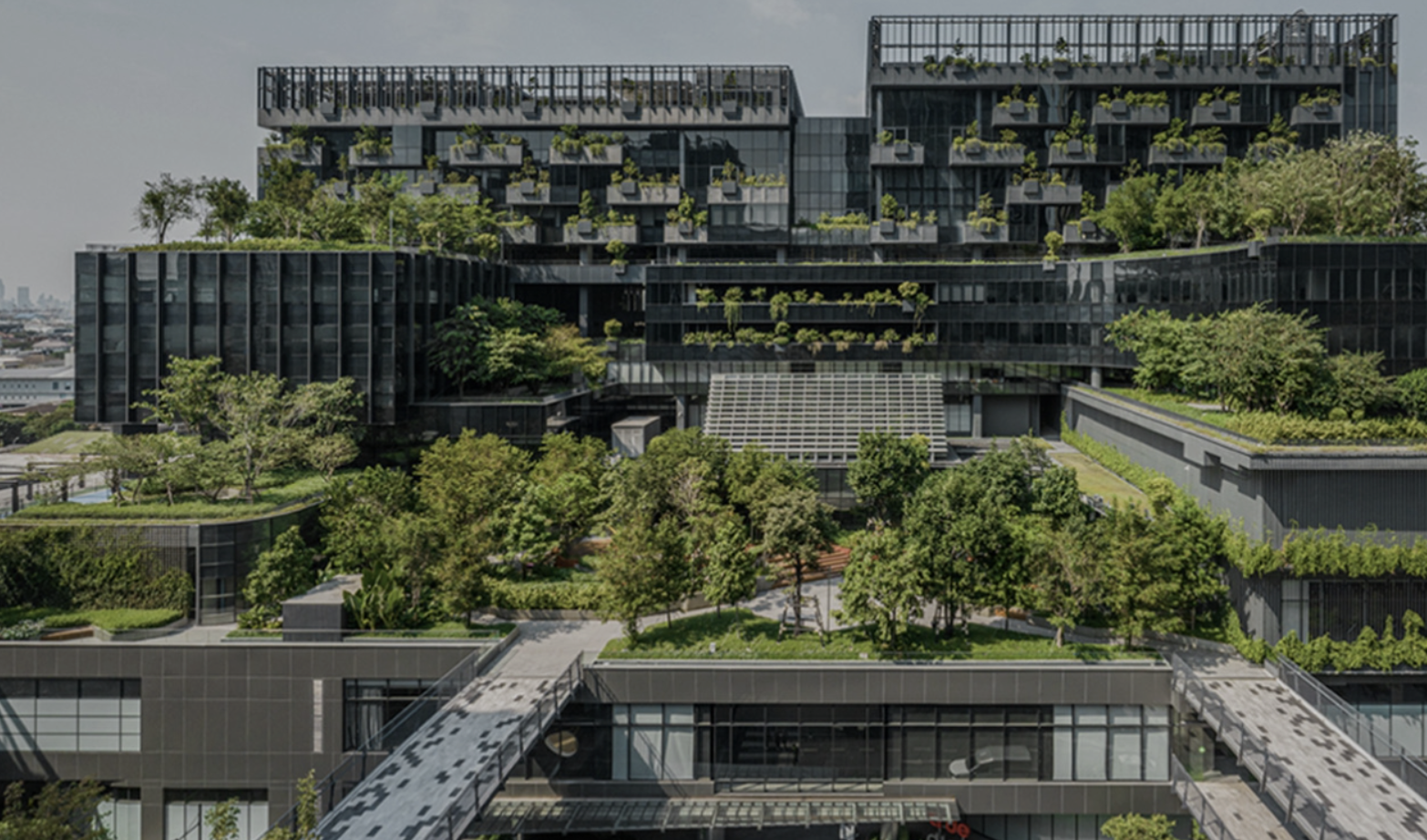
True Digital Park Bangkok
Bangkok has excellent options at every price point for remote workers who want somewhere to focus outside of home.
A hot desk at a quality coworking space runs ฿4,000 to 8,000 per month. A dedicated desk costs ฿8,000 to 15,000. Day passes run ฿350 to 600.
Two spaces particularly worth knowing: Common Ground has multiple Bangkok locations and a strong community atmosphere, making it a good anchor for anyone building a routine here. True Digital Park, out in the Punnawithi and Udomsuk area, is the largest tech and startup campus in Southeast Asia. It's a world of its own, with coworking, events, incubators, and a community of founders and remote workers that's hard to find anywhere else in the city. We'll have a dedicated guide to True Digital Park soon.
Many digital nomads in Bangkok work from cafés instead. The city's café culture supports this well, with strong WiFi and a general understanding that a laptop is welcome. A realistic working-from-cafés budget, covering two coffees a day and perhaps one meal, runs ฿4,000 to 8,000 per month on top of your food budget.
Nightlife: One of the World's Great Cities After Dark
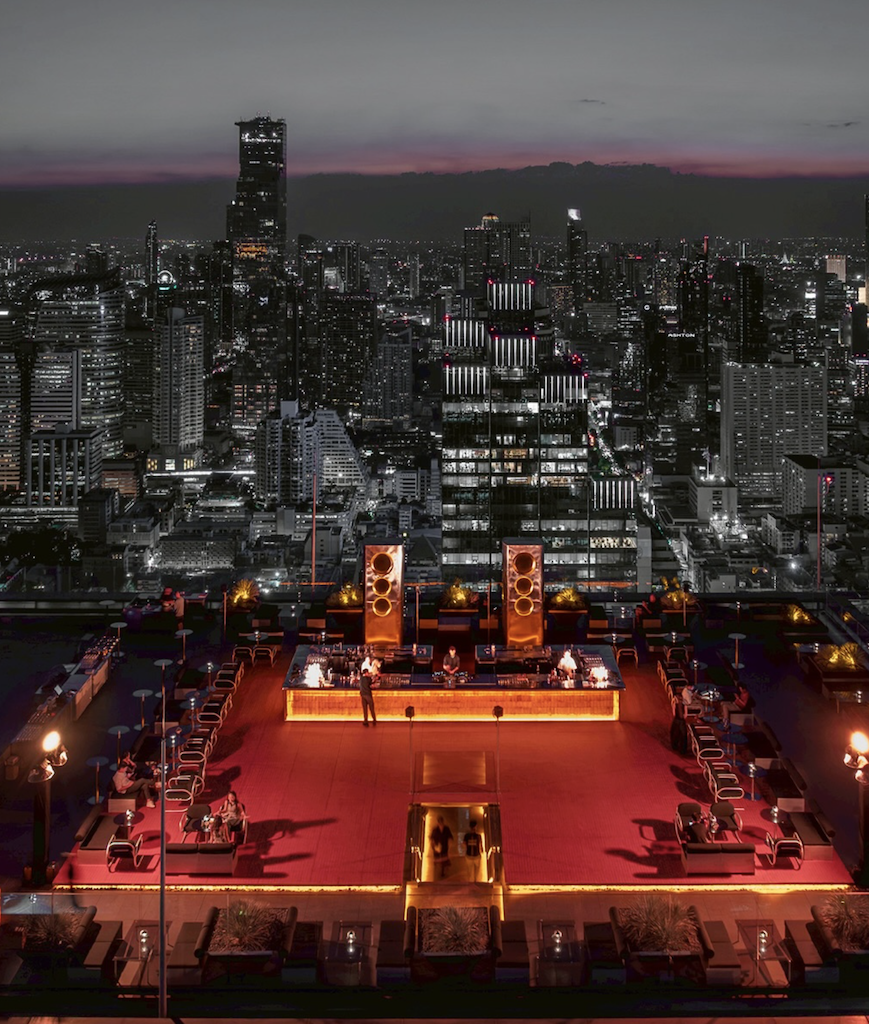
Aether Bangkok
Bangkok is one of the most vibrant cities on the planet when night falls. The Thai culture of going out (bars, clubs, rooftop terraces, live music) is deeply embedded in the city's identity, and the international scene has followed. World-class DJs tour through Bangkok regularly. Rooftop bars offer genuinely spectacular skyline views. Underground music scenes reward people who stay long enough to find them.
The honest note: going out in Bangkok in 2026 costs about as much as going out in Europe. A cocktail at a good bar runs ฿350 to 550. A ticket to a proper club night at somewhere like Aether costs ฿1,000. Some international events charge more. If you go to a proper party (ticket, a few drinks inside, a Grab home) budget ฿2,000 to 4,000 for the night. Going out twice a week adds up to ฿16,000 to 32,000 per month, which is a second rent for a lot of people.
Bangkok rewards the people who build a life here rather than treat every week like a holiday. The nightlife is incredible and it's there when you want it. Just don't underestimate it as a line item.
Sport: European Prices for European-Standard Facilities

Kross Padel Bangkok
Bangkok has genuinely caught up on sport, and the facilities at the top end now match what you'd find in Europe. That comes with a European price tag attached.
Padel has exploded here over the past couple of years. Clubs like Kross and Sterling offer proper indoor and rooftop courts to a standard that wouldn't feel out of place in Spain or Germany. Court time runs ฿1,200 to 1,600 per hour depending on the time slot, split between the players on the court, so it's not as steep per person as it first looks. Morning and off-peak hours sit at the lower end, evenings and weekends push toward the top.
Tennis at the better clubs runs similarly, ฿1,200 to 1,600 per hour for a court, again at full European standard.
Badminton and pickleball are noticeably cheaper and far more dependent on location. A badminton court at a local community hall might run ฿150 to 300 per hour, while a polished pickleball setup at a newer venue can sit closer to padel pricing. It pays to shop around by neighbourhood rather than assume one price across the city.
Here's my own secret tip, and it's the one piece of advice in this whole guide I'm genuinely protective of: Benjakitti Park. If you become a BKK Active member, which costs just ฿300 per year, you can play sport there for free alongside the locals, tennis, badminton, basketball, and more, on real courts in one of the most beautiful green spaces in the city. I prefer this over any paid club. It's social, it's completely free once you're a member, and playing with locals rather than other expats is a different experience entirely. The catch is that you need to be flexible. Courts are shared, timing isn't always predictable, and you're working around a public schedule rather than a private booking system. But for anyone willing to adapt, it's the best-value sport in Bangkok by a wide margin.
Lumphini Park itself is worth knowing even if padel or tennis isn't your thing. It has a free outdoor gym, a 2.5 km running track around the lake, daily free aerobics sessions in the early evening that draw hundreds of locals, and a separate indoor gym open to foreigners for a small daily fee. For anyone trying to keep fitness costs near zero, this single park can replace a gym membership entirely.
A realistic monthly sport budget: someone playing padel or tennis once or twice a week at a private club should budget ฿8,000 to 13,000 per month. Someone mixing in badminton, pickleball, or community courts can bring that down to ฿3,000 to 6,000. And someone willing to go the Lumphini Park route can keep this line item to almost nothing, just the ฿300 annual BKK Active membership.
Health Insurance: Non-Negotiable
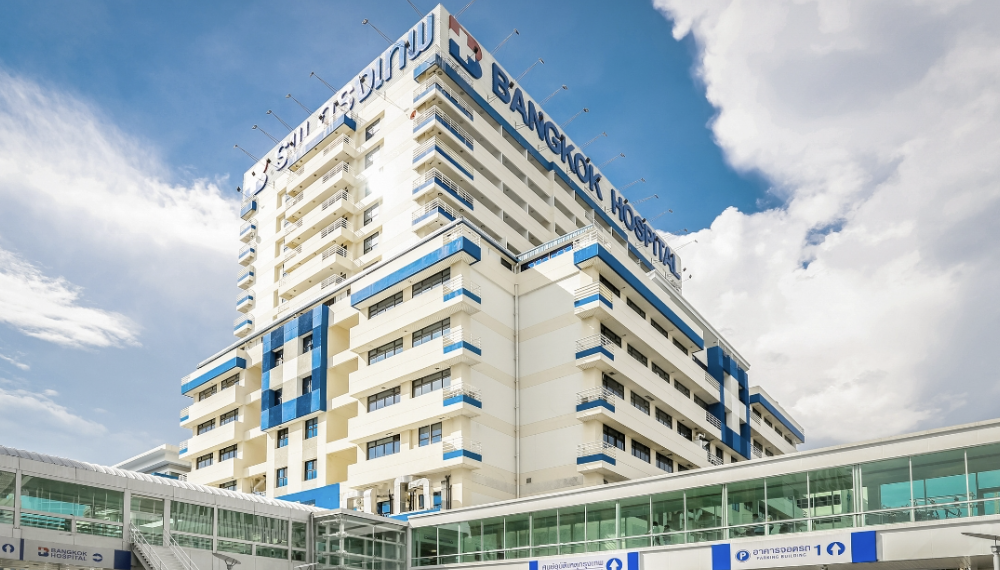
Bangkok Hospital
Thailand provides no public healthcare to foreign nationals. This isn't a guideline. It's a hard fact. Bangkok's private hospitals, including Bumrungrad, Samitivej, and Bangkok Hospital, are genuinely excellent and among the best in Asia, but they bill accordingly without insurance.
A specialist consultation at Bumrungrad starts at around ฿3,000. Inpatient treatment for anything serious can reach hundreds of thousands of baht within days.
A budget private health insurance policy from providers like AXA or Cigna at entry level runs ฿25,000 to 40,000 per year, which works out to roughly ฿2,000 to 3,300 per month. Solid international coverage sits at ฿60,000 to 100,000 per year.
This is the line item people skip to hit a nicer apartment or a lower monthly number, and it's the wrong trade. Budget it in from day one.
Hidden Costs People Don't Budget For
Credit card surcharges. Many Bangkok venues (restaurants, bars, smaller shops) charge an extra 3% on card payments. It's technically against Visa and Mastercard rules but very common in practice. If you pay by card for everything, that 3% compounds across a month of spending. Keep cash on you .. but:
ATM withdrawal fees. Thai banks charge foreign cardholders ฿220 per withdrawal on top of whatever your home bank charges. Using ATMs constantly gets expensive quickly. Wise or Revolut cards are worth setting up before you arrive. Or exchange your money at super rich.
Visa costs. Depending on your setup, visa runs, extensions, or the DTV application all cost money. Budget ฿3,000 to 8,000 for initial setup and plan for annual renewal costs on top.
Weekend trips. Bangkok is a hub. Chiang Mai, Koh Lanta, Koh Phangan, Bali, Vietnam, all accessible for ฿2,000 to 6,000 return. It becomes a habit. A welcome one, but budget for it.
Gym membership. A decent gym runs ฿1,200 to 3,500 per month depending on the chain and location. Fitness First and Virgin Active are the main expat choices.
Monthly Budget Summary
| Category | Lean | Comfortable | Quality |
|---|---|---|---|
| Rent | ฿12,000 | ฿28,000 | ฿45,000 |
| Utilities | ฿2,500 | ฿4,000 | ฿5,500 |
| Food | ฿10,000 | ฿18,000 | ฿30,000 |
| Transport | ฿1,500 | ฿3,000 | ฿5,000 |
| Health insurance | ฿2,500 | ฿3,500 | ฿6,000 |
| Coworking / cafés | ฿2,000 | ฿5,000 | ฿8,000 |
| Sport | ฿0 | ฿8,000 | ฿13,000 |
| Nightlife and social | ฿2,000 | ฿8,000 | ฿20,000 |
| Misc and hidden costs | ฿3,000 | ฿5,000 | ฿10,000 |
| Total per month | ฿35,500 | ฿82,500 | ฿142,500 |
| Approx. in EUR | ~€935 | ~€2,170 | ~€3,750 |
Exchange rate used: 38 THB to 1 EUR (June 2026). Rates fluctuate, so check current rates before planning.
Bangkok vs. the Alternatives
People often ask how Bangkok compares to Chiang Mai or Bali for the same lifestyle.
Chiang Mai is roughly 30 to 40% cheaper on rent, quieter, and better for nature, but smaller, with less infrastructure and a smaller international community. A real trade-off, not a clear win.
Bali, specifically Canggu and Ubud, has become surprisingly expensive in recent years. Rent in the nomad areas now rivals or exceeds Bangkok mid-tier pricing, without Bangkok's public transport, healthcare infrastructure, or urban density.
Bangkok's actual advantage isn't just the price. It's the density of what that price gets you: excellent healthcare a BTS stop away, a food scene that takes years to fully explore, and a city that genuinely rewards staying longer.
Frequently Asked Questions: Cost of Living in Bangkok
A Final Note From Me
These numbers are based on my own experience of living in Bangkok. When people ask me if it's cheaper to live here than in Germany, I always give the same answer: it depends on your lifestyle.
I'm happy eating at street food vendors most days, and I don't drink alcohol, so that's already a big saving compared to a lot of expats. But I also enjoy going for a massage, which is wonderfully affordable here, and I have a maid, which costs almost nothing by European standards. Those are the small luxuries I'm happy to pay for.
I love coffee, but I don't need to buy one every single day. I'm just as happy making it at home. That's really the point of this whole guide: it comes down to what matters to you and where you choose to spend your money. At the same time, I do enjoy going to a proper restaurant now and then, not just for the food, but for the atmosphere.
That's the honest version of how I live here, and your version might look completely different. If you have questions about any of this, or your own experience living in Bangkok that you think others should know about, reach out to us at veloura.gems@gmail.com. We'd genuinely love to hear it.
Veloura Gems is a community and guide platform for Bangkok and Koh Phangan, built by people who live here, for people figuring out how to. For neighbourhood guides, venue recommendations, and stories from people who made the move, explore the rest of our guides at veloura-gems.com/guide.
Numbers in this guide are based on June 2026 data and real experience. Costs vary by lifestyle, neighbourhood, and individual spending. We update our guides regularly. If something has changed, let us know.
Veloura App
There is more to explore.
Bangkok, Koh Phangan and Northern Thailand, beyond the obvious.
