
Chiang Mai - Where Northern Thailand Slows You Down
A Local's Guide to Living in Chiang Mai, Northern Thailand
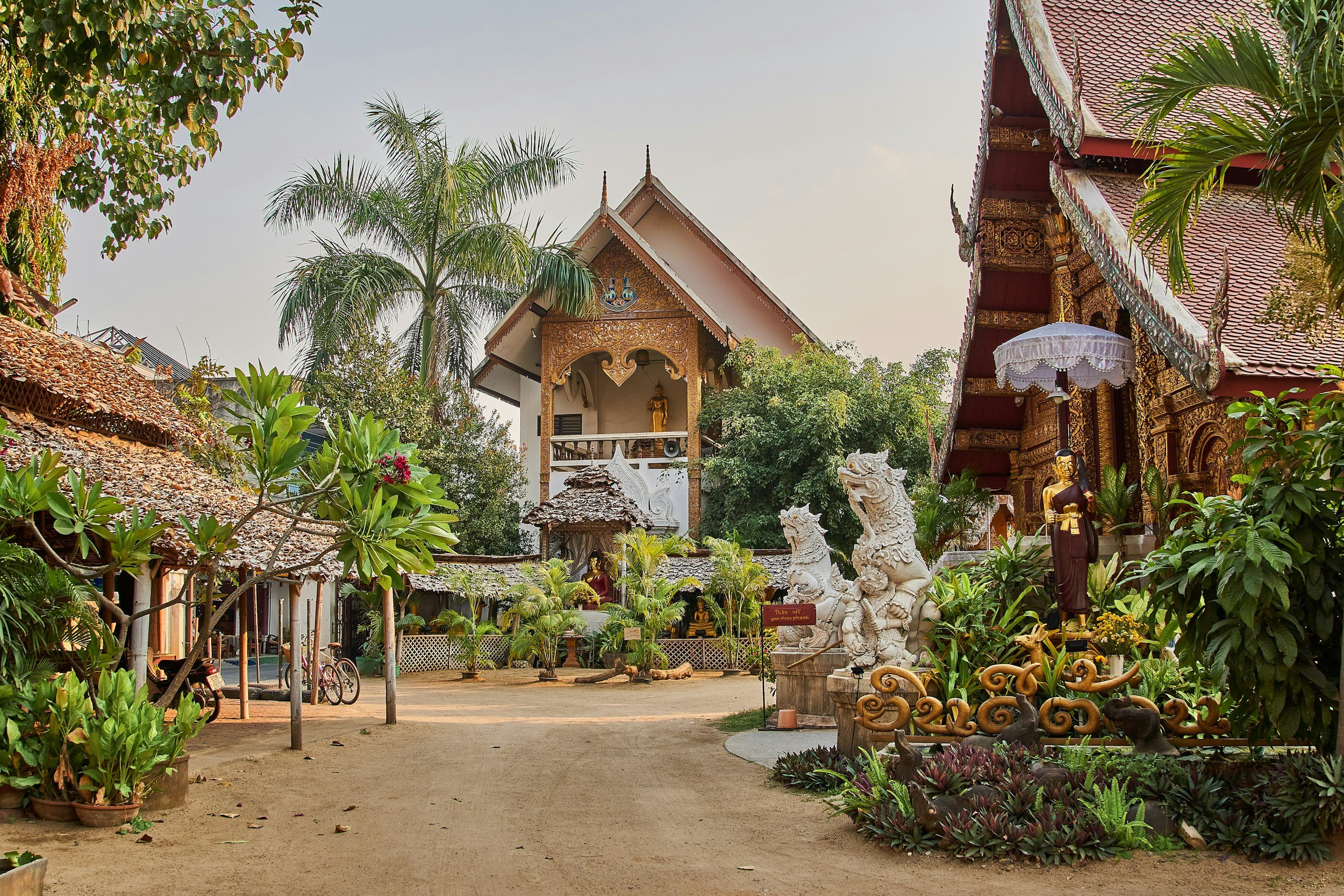
There are places that invite you to arrive and places that gently ask you to stay. Chiang Mai belongs to the second kind.
Tucked between mountains and forests, Chiang Mai moves at its own pace. Mornings begin quietly, afternoons drift slowly and evenings feel unhurried. It is a city where ancient rituals live next to modern creativity and where slowing down feels natural rather than forced.
This is what makes Chiang Mai, the heart of Northern Thailand, different from the rest of the country. It is not a city designed for tourists rushing through. It is a place shaped by tradition, food culture, creative spaces and nature that rewards staying longer. Whether you are visiting Chiang Mai for a few days or planning to stay in Northern Thailand longer, understanding Chiang Mai's rhythm is the key to experiencing it authentically.
Tips Overview
Contents
A City Shaped by Spirit and Tradition in Chiang Mai
Chiang Mai was the capital of the Lanna Kingdom, and that heritage is still visible in daily life in Northern Thailand. Temples in Chiang Mai are not just landmarks for visitors. They are active spaces that locals in Chiang Mai use regularly.
You see monks collecting alms in the early morning throughout Chiang Mai. You hear temple bells in the distance across the city. People step inside temple grounds in Chiang Mai quietly, often before work or in the late afternoon.
The Old City of Chiang Mai is surrounded by historic walls and moats, but it does not feel frozen in time. Traditional architecture in Chiang Mai sits next to modern cafés and boutique hotels. Festivals like Yi Peng and Songkran in Chiang Mai are celebrated seriously, not staged.
Respect is part of daily interaction in Chiang Mai and across Northern Thailand. Shoes are removed where appropriate. Voices stay calm. Disagreements are handled softly. Tradition here is not decoration. It shapes behavior.
Northern Thai Food Rooted in Chiang Mai and the Region
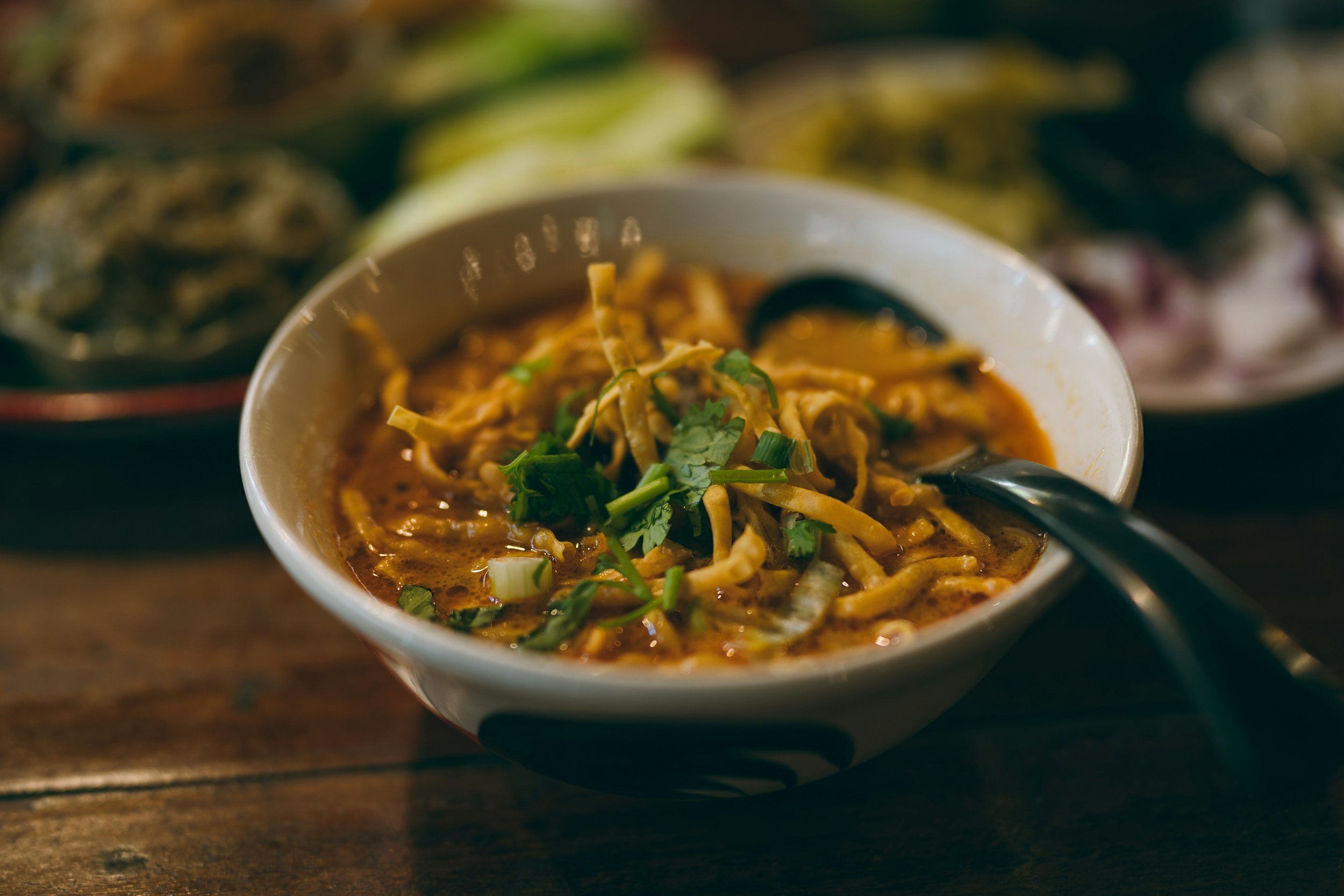
Northern Thai cuisine, as found in Chiang Mai, feels different from what many expect from Thailand. It is less about extreme spice and more about depth and balance.
Khao Soi is the starting point for understanding Chiang Mai food. Coconut curry broth, egg noodles, crispy topping, pickled greens on the side. It is filling and layered and uniquely Chiang Mai. Sai Ua sausage from Northern Thailand is packed with herbs and grilled slowly over charcoal. Nam Prik Noom adds a smoky green chili flavor that pairs naturally with sticky rice.
Sticky rice replaces jasmine rice in many meals in Chiang Mai and Northern Thailand. Curries are thicker and often made without coconut milk. Ingredients in Chiang Mai cooking reflect local farming and regional influence from Myanmar and Laos.
Markets in Chiang Mai in the morning focus on fresh produce and ready made dishes for the day. Night markets in Chiang Mai shift toward noodles and grilled meat. Food here is routine, not trend driven. It reflects the north and Chiang Mai clearly.
Slow Life by Nature: Chiang Mai's Mountains and Forests
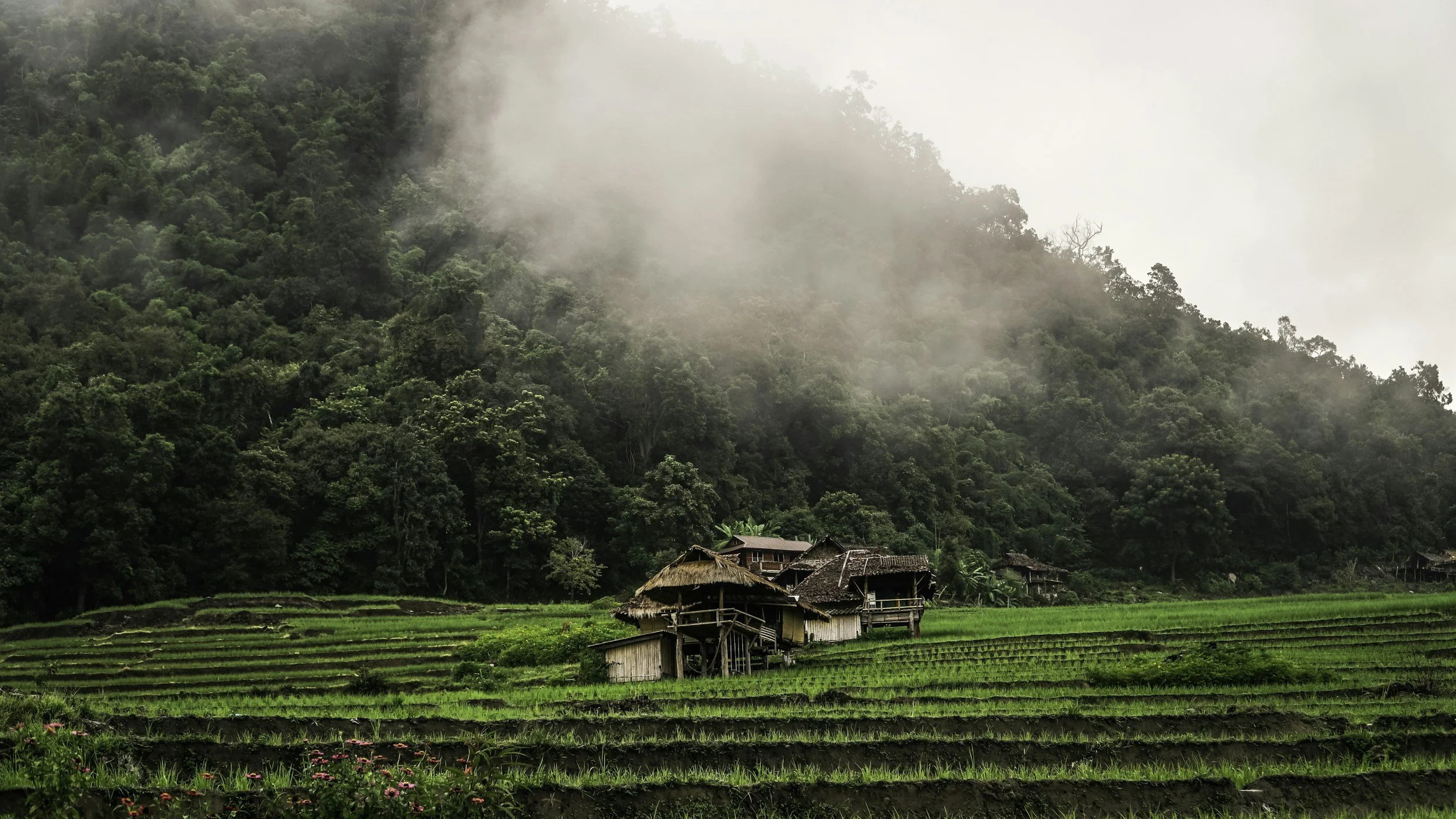
Mountains shape Chiang Mai's rhythm. Doi Suthep overlooks Chiang Mai and serves as a daily reference point. Forests, waterfalls and countryside are reachable within an hour from Chiang Mai.
Because of this natural setting, daily life in Chiang Mai and Northern Thailand feels balanced. Mornings are productive. Midday slows down naturally. Evenings are social but not loud.
Many people in Chiang Mai start their day early with coffee or exercise. Afternoons in Chiang Mai are quieter. Weekends often include short drives to nearby villages or viewpoints from Chiang Mai. Nature in Chiang Mai is not a separate experience. It is integrated into the week.
The slower pace in Chiang Mai is practical. Climate and geography influence how people move in Northern Thailand. Once you adjust to the rhythm of Chiang Mai, it feels logical.
Creative Calm: Galleries and Design in Chiang Mai
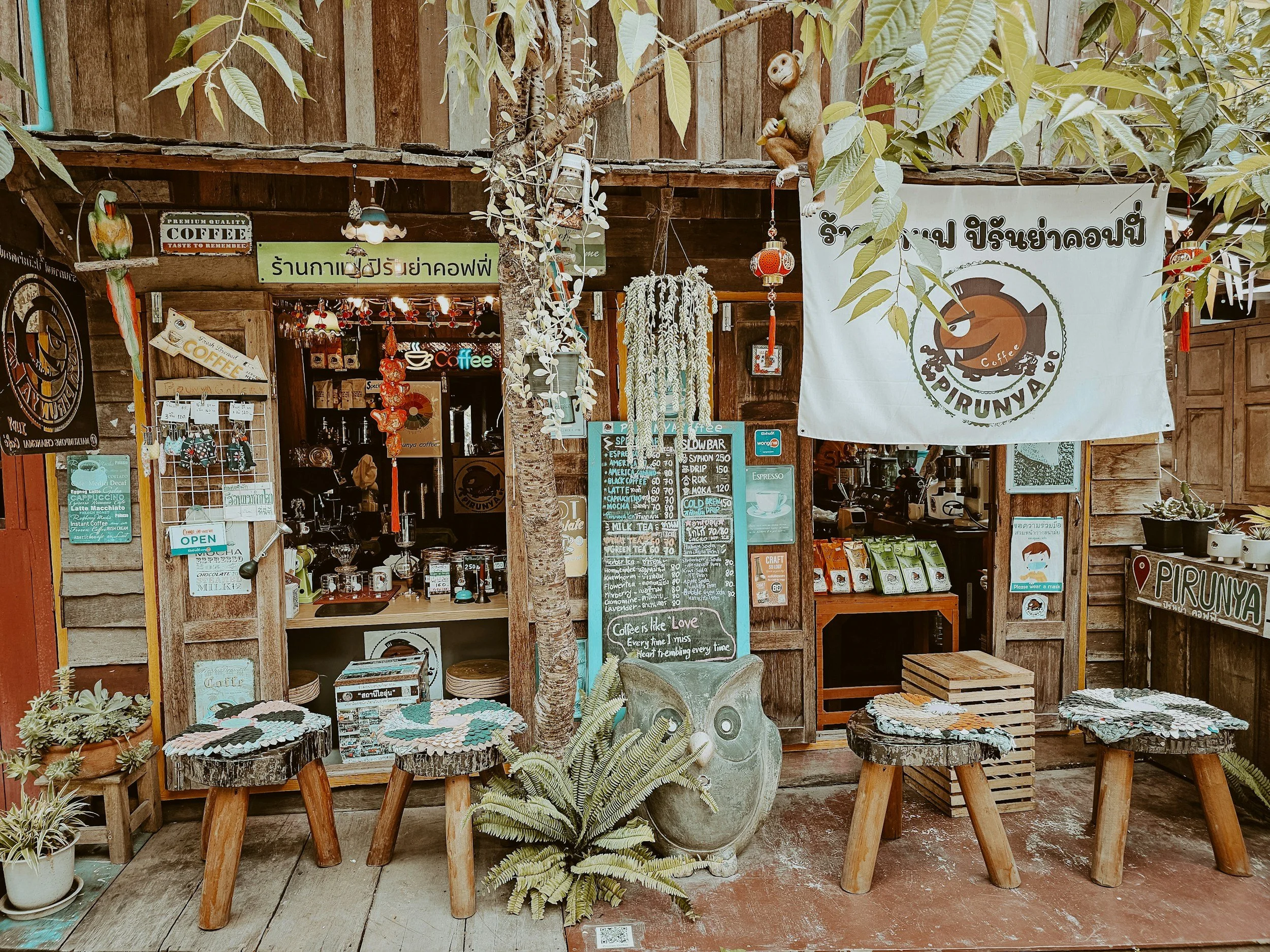
Chiang Mai has a strong creative layer, but it does not feel aggressive. Nimmanhaemin in Chiang Mai is filled with independent cafés, small galleries and design focused shops. Craft markets in Chiang Mai showcase ceramics, textiles and handmade goods rooted in local tradition.
Coworking spaces in Chiang Mai are active but calm. Many remote workers and small business owners choose Chiang Mai because it offers infrastructure without constant distraction. Chiang Mai provides the stability many digital nomads and creatives seek in Northern Thailand.
Traditional craft and modern branding exist side by side in Chiang Mai. Innovation here often builds on heritage rather than replacing it. The creative scene in Chiang Mai feels steady and long term, not seasonal.
Why People Keep Coming Back to Chiang Mai
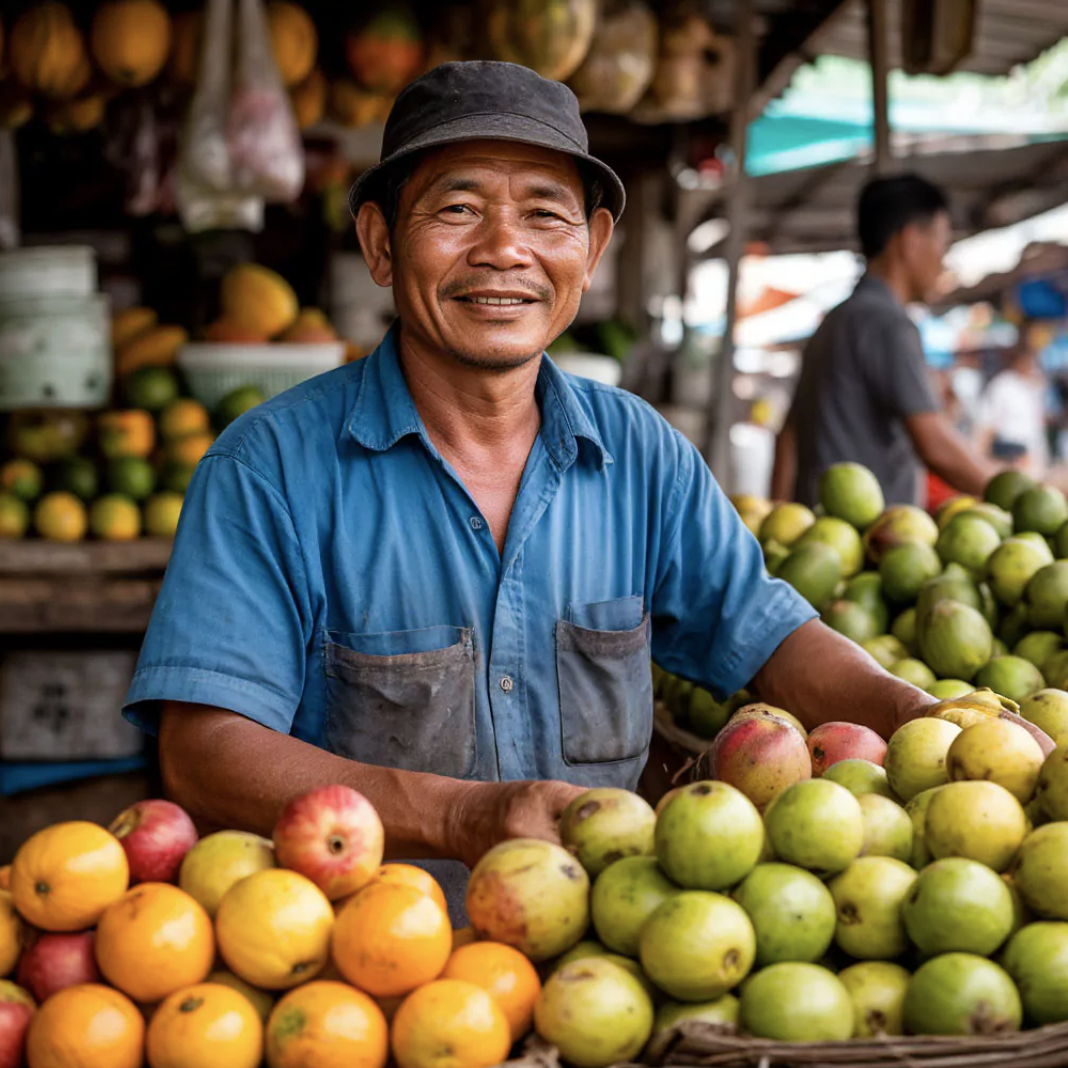
Chiang Mai is easy to return to. It offers structure without pressure. You have good hospitals in Chiang Mai, reliable internet in Northern Thailand, strong food culture and access to nature within minutes of Chiang Mai.
Some people arrive in Chiang Mai for a few days and extend. Others return seasonally to Chiang Mai. It is a city where you can work in Chiang Mai, eat well, spend time outside and maintain routine in Northern Thailand.
It does not demand attention. It supports it.
Chiang Mai works because it balances tradition, comfort and pace. Once you understand that balance in Chiang Mai, you understand why so many people keep coming back to this part of Northern Thailand.
Velouras Chiang Mai Travel Tips for Visiting Northern Thailand
Do Not Stay Only Inside the Old City of Chiang Mai Many visitors book inside the Old City of Chiang Mai and rarely leave it. That limits the experience of Chiang Mai. The Old City is convenient, but areas like Nimmanhaemin, Santitham or even small residential streets outside the moat in Chiang Mai show you how people actually live in Northern Thailand. Staying only in the Old City of Chiang Mai means missing the real Chiang Mai.
Plan Your Chiang Mai Visit Around Air Quality Season in Northern Thailand Northern Thailand has a burning season, usually between late February and April. Air quality in Chiang Mai and Northern Thailand can fluctuate significantly. Before booking longer stays in Chiang Mai, check AQI levels for the region. If you are sensitive to air pollution in Chiang Mai, avoid peak months or plan short mountain escapes from Chiang Mai when needed.
Start Early and End Early in Chiang Mai Chiang Mai works best in the morning. Visit temples in Chiang Mai before 9 am, explore markets in Chiang Mai early and schedule outdoor plans in Chiang Mai before midday heat. By afternoon, the city naturally slows down. If you align your day with this rhythm in Chiang Mai instead of pushing through it, everything feels easier and more enjoyable.
Frequently Asked Questions About Chiang Mai, Northern Thailand
This guide is part of Veloura's local ambassador series authentic Chiang Mai and Northern Thailand neighborhood guides written by people who actually live here. Discover more at veloura-gems.com.
Veloura App
There is more to explore.
Bangkok, Koh Phangan and Northern Thailand, beyond the obvious.
