
People of Bangkok: Bunny Heals
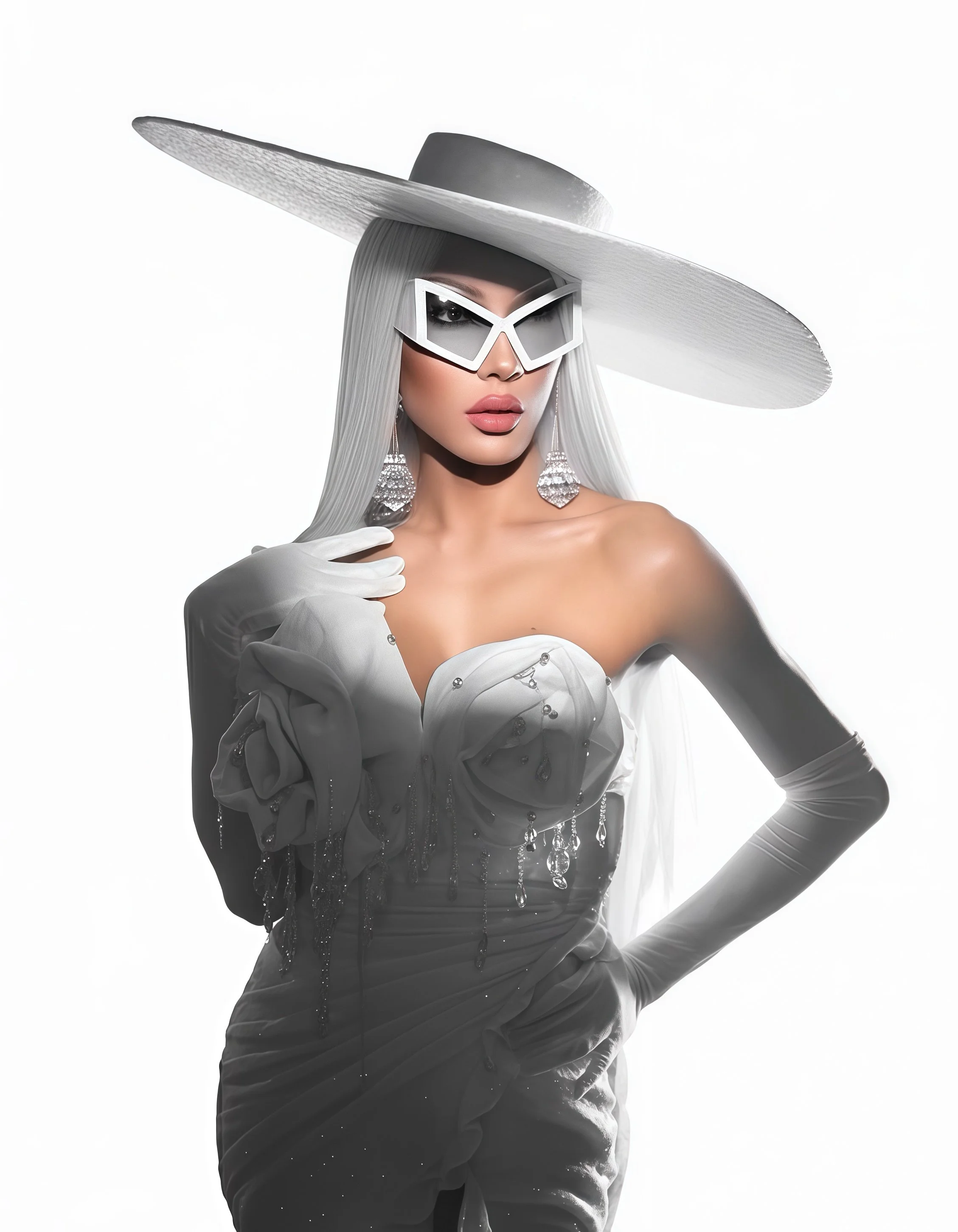
Picture by Bunny Heals
Interviewed by Timo Eckenfels, Veloura Gems · In conversation with Bunny Heals, head performer and choreographer at House of Heals, Bangkok
Behind every show there is someone who built it. Who watched the film three times in different languages, edited the music herself, assigned every character, made the scenery, ran the rehearsal, and then performed in the show herself while it all came together. Someone who started by frying sausages and serving drinks between costume changes, and is now the one the whole production depends on.
Bunny Heals is that person.
Veloura covers the people who shape Bangkok. The chefs, the founders, the performers, the creators. People with stories worth hearing. Bunny Heals is one of them.

Your Local Ambassador
Timo E.
Timo sat down with Bunny Heals at House of Heals in Bangkok. What started as a conversation about performing turned into a story about a childhood dance in Khorat, a father who secretly gave his child money for a dress, a mother who came around slowly, and a dream that started in kindergarten and never stopped.
Bunny Heals has been at House of Heals for seven years. She is the head performer and the creative director of everything the audience sees when the whole cast takes the stage together. Her real name is Kratai, which means rabbit in Thai. Bunny Heals is her drag name, a direct translation of who she already was. She came from Khorat with no experience of working outside her hometown. She told Mae Ajoraya and Pangina that she could do everything. Then she proved it.
From Khorat to Bangkok
Bunny grew up in Khorat, one of Thailand's largest provinces in the northeast. She had her own small business at home. She had never once worked outside her hometown. Coming to Bangkok was the first time she had ever gone looking for work on her own.
She found her way to House of Heals through Mae Ajoraya, a respected figure in the drag world who introduced her to Mae Pun, Pangina Heals, the founder of House of Heals and one of the most celebrated drag queens in Asia. Mae Ajoraya and Pangina became what she calls her real mothers. Not just employers or mentors. People who looked after her, believed in her, and gave her the space to prove herself.
When Mae Pun first asked her what she could do, Bunny's answer was immediate.
"I can do everything. Whatever you ask me to do."
She meant it. In those early days she made popcorn, fried sausages, served drinks, then disappeared backstage to change into costume and perform, then changed back into her serving clothes and returned to the floor. One person doing every job in the house. After one round of the drag show she changed back into the server uniform and continued serving.
The older performers taught her everything. In the beginning some of them did not know her. There would have been questions about who this new person was. She showed up and worked as hard as she could, because she was the one who had told Mae Pun she could do everything. She could not afford to be wrong about that.
Then COVID arrived. She thought nobody would hire her during that time. Everyone was struggling to survive. But Mae Art and Mae Pun kept taking care of her. That is the thing she comes back to when she talks about them.
"This is the place where I started from nothing. I am really grateful for the opportunity they gave me."
The Stage Since Kindergarten
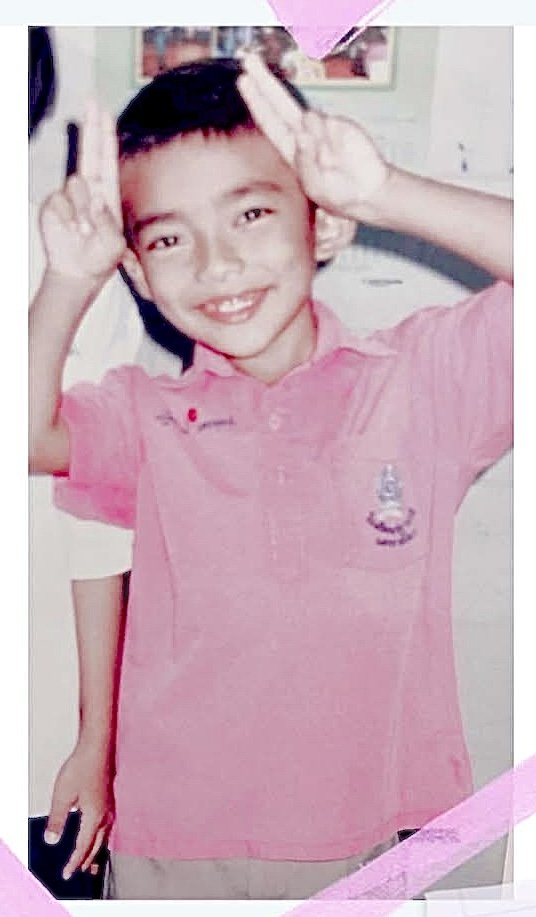
Picture by Bunny Heals
The first time Bunny understood what performing meant, she was in kindergarten.
During nap time, a teacher came and woke her up. She was told to go and rehearse a traditional Thai dance. She was barely old enough to understand what she was being asked to do. But she did it. And when she stood in front of people and they watched her and gave her compliments, something clicked into place.
"It made me feel special. I loved it. Oh my god, this is so much fun."
From that moment, she knew. She gravitated toward female friends, female teachers, anything that gave her a reason to express herself. She started becoming more feminine. Her family began to notice.
During primary school, the costumes for school performances were still separated by gender. She performed the male part, wore the boy costume. Her mother could tolerate that. She might criticize a little, but she did not feel strongly enough to stop it.
Then around Primary 6, Bunny became a cheerleader. And she wanted the female cheerleader costume.
The costume cost 600 to 800 baht, money that students needed to ask their parents for. Her mother refused. She did not want Bunny dressed as a woman. It was becoming too serious. Too real. She was not okay with where this was going.
"Buy the dress. Don't tell your mother."
Bunny Heals' father
Her father said nothing in front of her mother. But quietly, one morning when he drove Bunny to school, he slipped her the money.
"Buy the costume," he told her. "Just don't tell your mother."
She bought the dress. She did the show. She came home that evening still wearing the costume.
Her mother closed the front door. When Bunny came inside, her mother was furious. It was not a quiet conversation.
She knew then that her child was going to become a kathoey, the Thai term for a transgender woman or feminine man, a category that Thai culture has long recognised but that her generation of parents did not always know how to hold. Her father could not help at that moment. Maybe afterward he talked to her mother privately. But her mother's position was clear. She had always had a dream for this child. She wanted Bunny to ordain as a monk one day. That was the thing she had asked for. In Thai Buddhist belief, when a son ordains as a monk, his merit carries his mother to heaven after she passes. It is not simply a tradition. For many Thai mothers, it is the most important thing a son can do for her in this lifetime. And now this.
"Back then, nobody sat down with parents and explained: there is nothing wrong with being like this. Today parents have social media. They watch television. There is much more acceptance. But not then."
The Long Road to Acceptance
Her mother did not give up her position overnight. But she also did not stay in one place.
Slowly, over months and years, she kept talking to Bunny about who she was. She watched. She did not disappear. She became less strict than she had been in those first confrontations. She started accepting, a little at a time. Bunny kept meeting more people who were genuinely like her, kept living more openly, kept bringing her world closer to home. And eventually her mother arrived somewhere near peace with it.
Bunny is grateful for that. That her mother did not stay in the place she started. That she watched, kept talking, kept showing up, and found her way to accepting her child for who she was. That is the thing she holds alongside the grief.
Then the question of ordination came back.
When Bunny was nearly finished with school, her mother asked again. She wanted her child to ordain as a monk for her. Bunny had actually ordained once before, for her grandparents when they passed. So she knew it was possible. She told her mother that when the time was right, she would do it.
Then she decided she wanted breast surgery.
She went to her older sister first. She asked her sister to tell their mother. Her mother's response was immediate: then you won't ordain for me anymore?
Eventually they sat down together as a family during dinner and talked it through. The cost of an ordination ceremony. What that money could do instead. Bunny laid it out clearly.
"If we're going to spend that much money, wouldn't it be better to use it for a business? Or invest it into the family? I can do other things for you. Things that aren't only about ordaining."
Her mother listened. Her father waited. Her sister supported her. And finally her mother said: if you want to do it, then do it. If one day you decide you want to ordain, you can still do that.
Her one condition was this: do not have gender reassignment surgery.
Bunny agreed. Her mother accepted her.
The Ordination She Never Gave
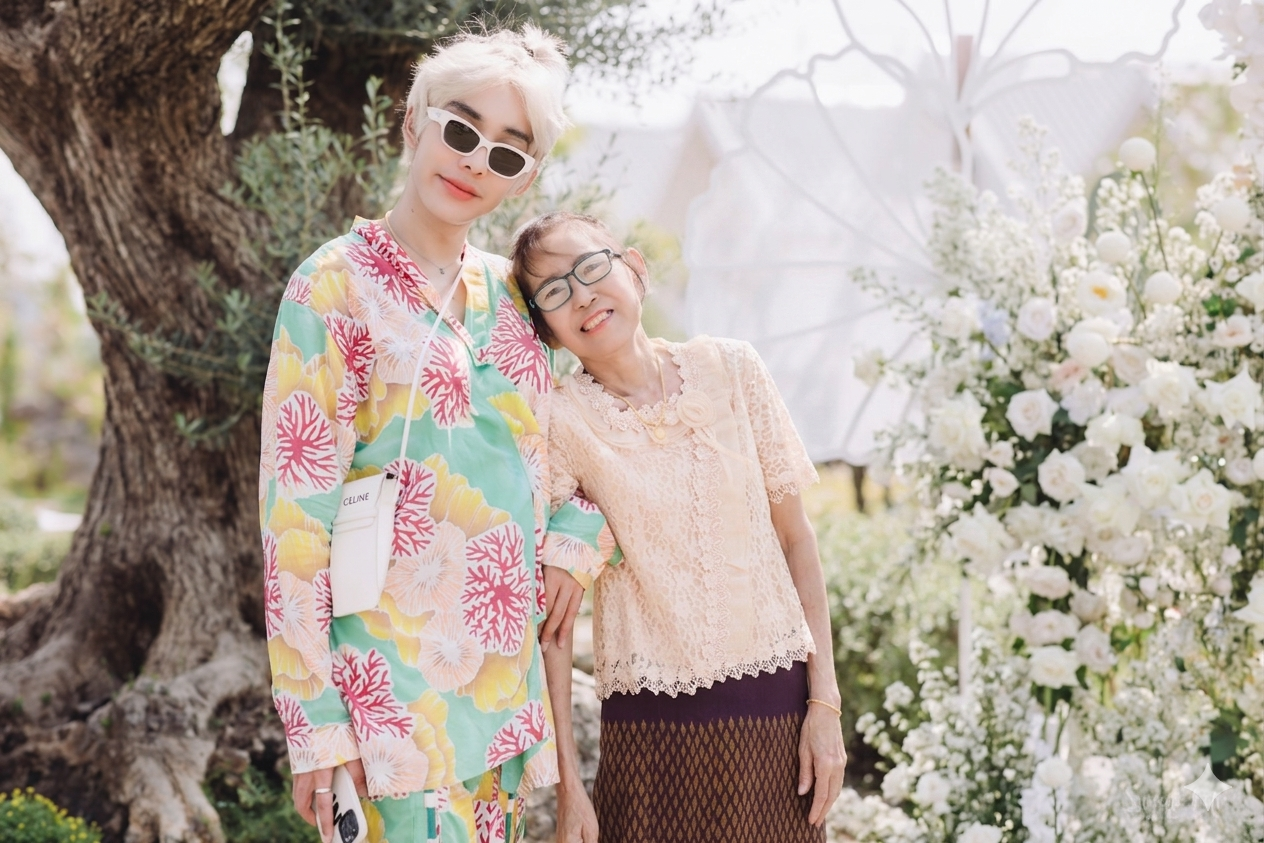
Picture by Bunny Heals
Bunny's mother passed away two months ago.
She died in her sleep. There was no warning, no preparation, no final conversation where things could be resolved or said. She was there and then she was gone.
When the day came to cremate her mother, everything came back.
She saw other grandchildren ordaining for their mothers and the thought would not leave her: if she had not yet had the surgery, she could have done it. If she had known in advance that her mother was going to go, she would have had everything removed and ordained for her. It was the one thing her mother had asked for her whole life. The one request that had never gone away.
"I pass through this already. I did well. I did other good things for her."
Bunny Heals
"She never really asked me for anything. She only wanted her child to be a good person. And this one thing is the thing I never did."
She pauses. Then she says the thing she has been telling herself since.
She took care of her mother through her illness. She was there for everything. She helped her go to the bathroom. She did not leave. In all the ways that mattered, she showed up completely.
"I did other good things for her. This is the one thing. But not the only thing."
Her mother did not suffer. She slept and did not wake up. She did not know she was leaving. That, too, is something Bunny has had to hold.
"Of course it comes back when I talk about her. She only recently passed away. But it has already happened. I did well. I did other good things for her."
What Drag Actually Is
The first time Bunny performed in full drag costume, she was not starting from nothing. She had already been performing for years in other formats. So when Pangina found the wig and the costume for her, there was no terror. There was excitement because that is what performing does to her every time, and the recognition that this was a different level.
"The show itself is similar. It's in the same kind of performance art. But when you become drag, you dress as another artist. If I'm going to impersonate Cher, I have to be Cher. The hair. The face. The clothes. The character. The inner feeling. Everything. I have to become her."
That completeness is what separates drag from other kinds of performance for her. It is not enough to look like someone. You have to carry their inner world onto the stage. She also impersonates Dua Lipa. People agree she has the look. Dua Lipa herself, it turns out, once agreed too.
In her own way.
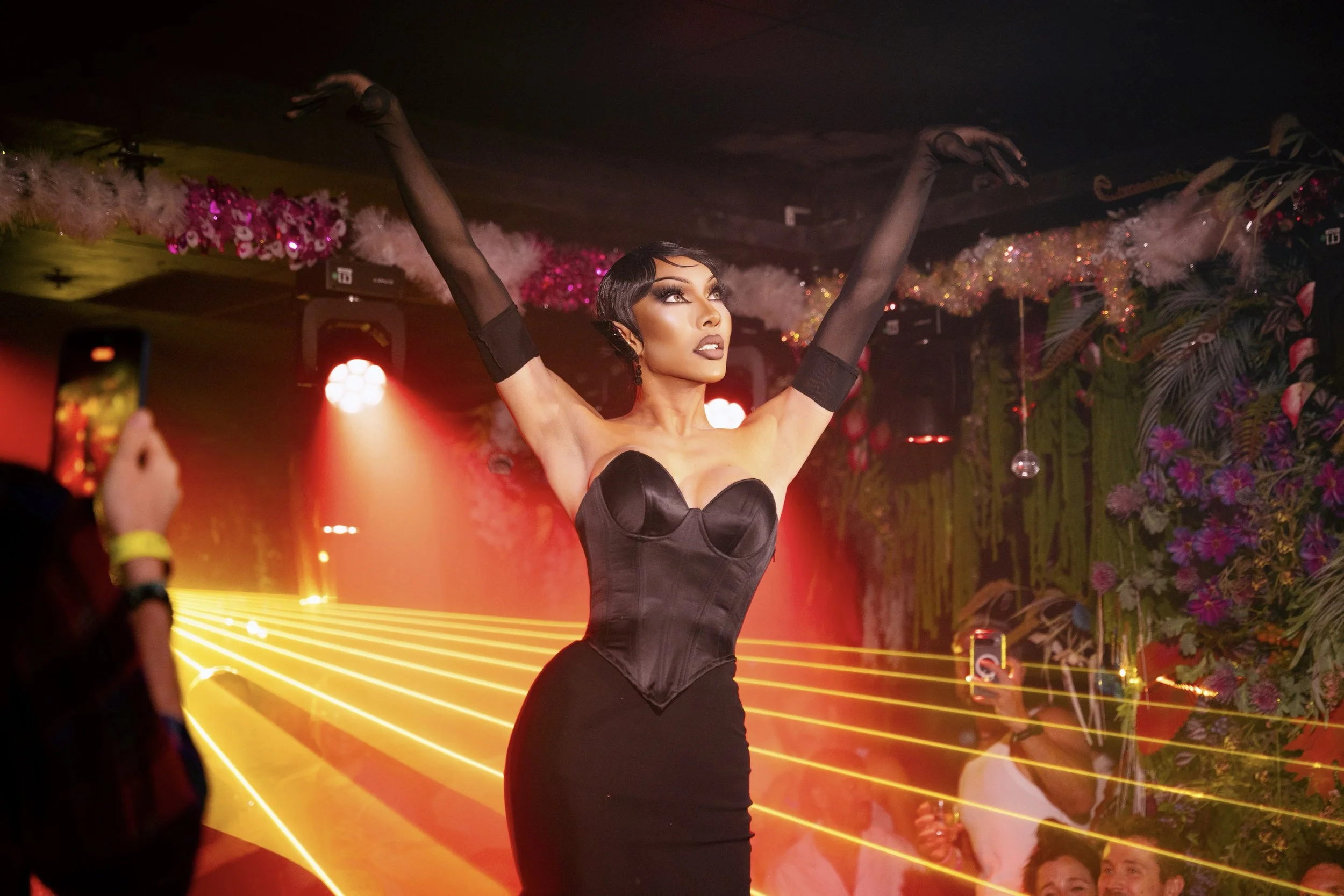
Picture by Bunny Heals
Dua Lipa
Dua Lipa came to House of Heals.
She came privately, not publicly. The team had one of her songs prepared. They had been planning what they would perform for her. Then word came through: please do not play my music tonight. She was there to have a normal evening. She did not want to be surrounded by her own work.
Every performer had to change their entire setlist. Hours before the show. Everyone who had prepared something from her catalogue had to find something else.
Bunny saw her. She was in the room. But there was a rule: nobody should go and disturb her.
"I saw her. But I didn't get to perform for her. I was already dressed to show her what I do."
If Dua Lipa comes back, Bunny says she will definitely perform for her. She says this with a smile that holds both amusement and genuine certainty.
The Head Performer
At House of Heals, Bunny is not only a performer. She is the person who makes the show.
When there is a group number, a big ensemble piece where everyone performs together, she builds it from the beginning. She chooses the film or concept. She watches it three times, in different language versions, until she understands every moment and every transition. Then she sits down and edits the music herself. She takes the specific parts she wants, the lines and the sounds and the silences, and she constructs a new version. Not the original. Something she has made.
Sometimes it takes almost a week to build one piece of music.
"It's not simply playing a song. It's like telling an entire movie through music. Everything is thought through."
Then she assigns characters to every performer. She can see in her head exactly who should play what. She knows her team's abilities and their limitations and what each person brings to a role. She arranges the rehearsal. She goes through every person's role individually. She tells them who they are and what they have to do. And then she performs in the show herself.
She makes the scenery. She buys the materials. She makes things herself when she needs to.
"Think of it like being a director. You can take a Thai movie and turn it into a performance. Everything is thought through before a single rehearsal happens."
When the audience applauds at the end, she knows what she is feeling.
"This is something I made. I performed in it. I thought of the story. We built the scenery ourselves. Everything comes together."
She is the head performer because the senior performers accepted her as that. She knows that. She earned it from people who had been doing this longer than she had, and who would not have given her the role if she had not deserved it.
"If I wasn't really good, and if they didn't truly accept me, I would never have become the head performer."
The Dream
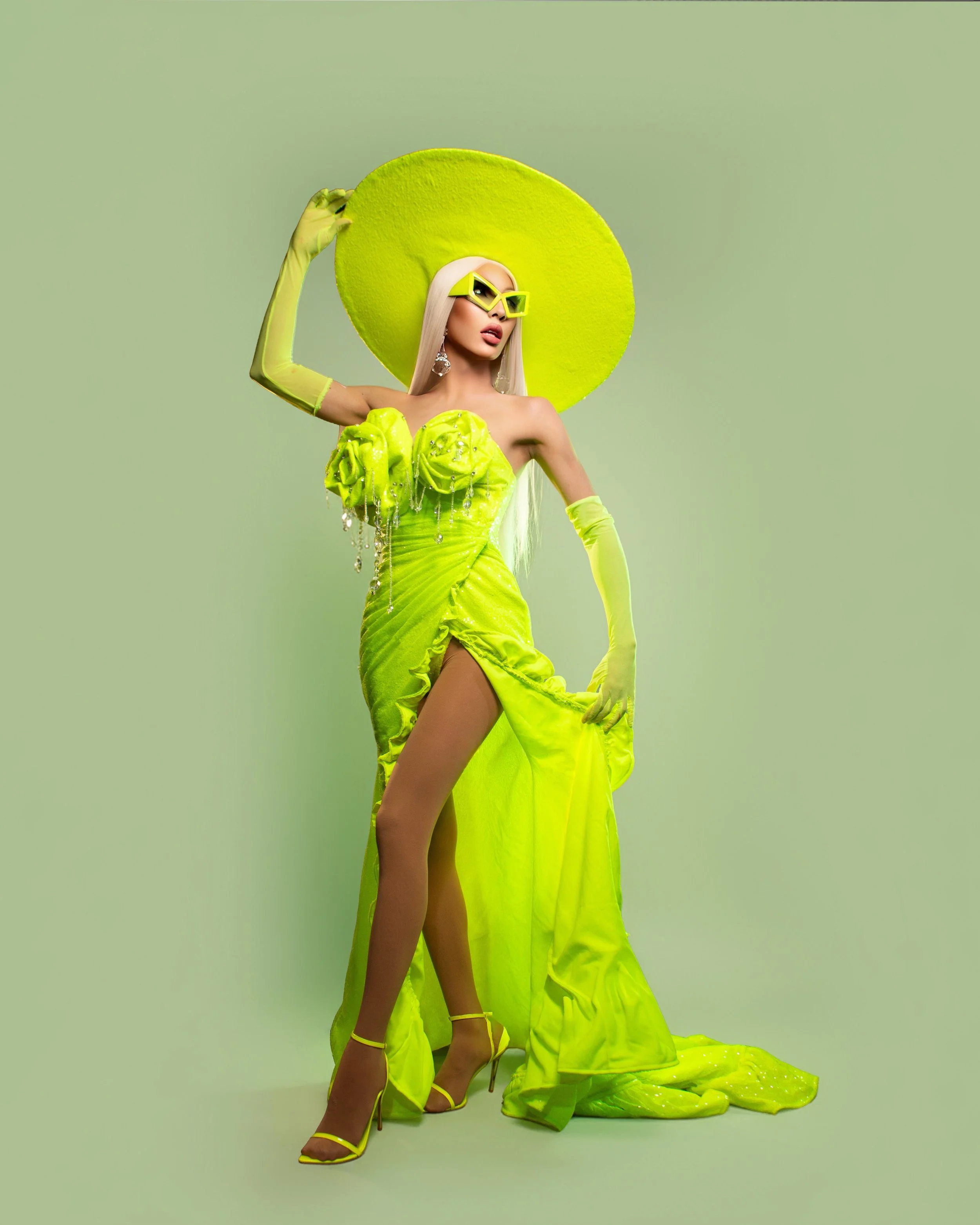
Picture by Bunny Heals
She was never chasing fame. She was not trying to become someone. Her dream, the one she has carried since she was small enough to be woken up for a rehearsal, was always the simplest thing in the world.
To perform in front of people. To have them watch. To feel that exchange between the stage and the room.
That was it.
"Today, it feels completely fulfilled. I never thought I would reach this day. I never thought I would be here."
She thinks about the distance from Khorat to the 33rd floor of a hotel in Bangkok. She thinks about the father who slipped her money for a dress and told her not to tell her mother. She thinks about Mae Art and Mae Pun, who gave her a job when she had never once worked outside her hometown.
"Thank you for telling the story behind what we do, not just sharing the show. That is what helps people really understand drag. And that is what helps us go further."
Bunny Heals
She thinks about the teacher who woke her up.
"Think back to when the teacher woke me up. That was where it all started. And look at what I'm doing today."
Her message to the Veloura community is direct. She is grateful for anyone who comes and watches, who takes a photograph, who shares what they see. Not for the attention but for what it means for drag in Thailand.
"Thank you for supporting us. For telling the story behind what we do, not just sharing the show. That is what helps people really understand drag. And that is what helps us go further."
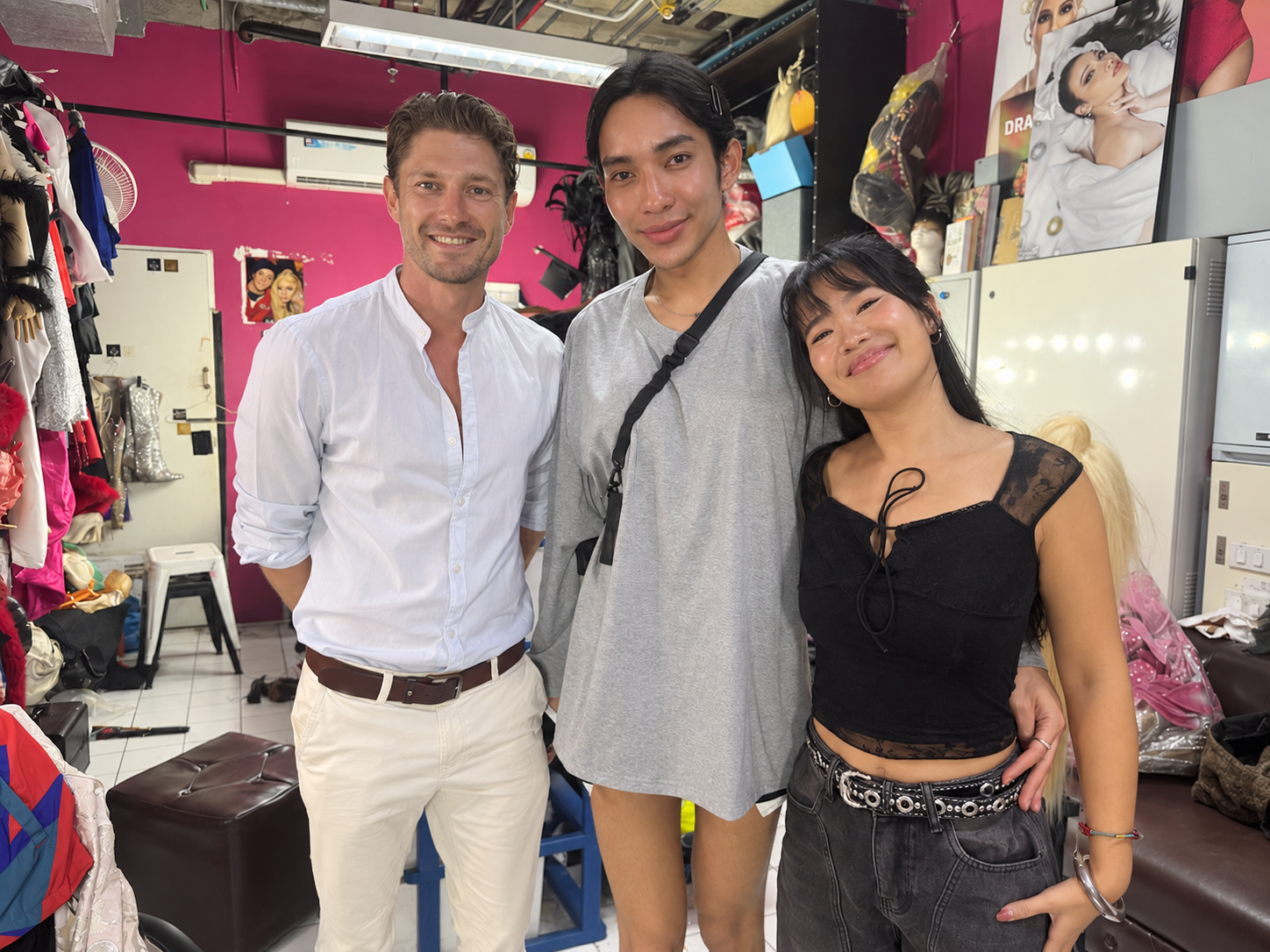
Bunny Heals with Veloura
Veloura App
More stories. More venues. More reasons to explore Bangkok.
The Veloura app covers Bangkok and Koh Phangan with curated venues, member perks, and the stories behind the places worth knowing.
Bunny Heals performs at House of Heals, Bangkok, Wednesday to Monday. Follow House of Heals on Instagram for show schedules and updates.
People Of is a Veloura series that gives people a platform to tell their own stories. Everyone has something worth hearing. These conversations exist because people were generous enough to share their time and their lives. We are grateful for every single one of them. Read more at veloura-gems.com/guide.
