
People of Mongolia: Ami
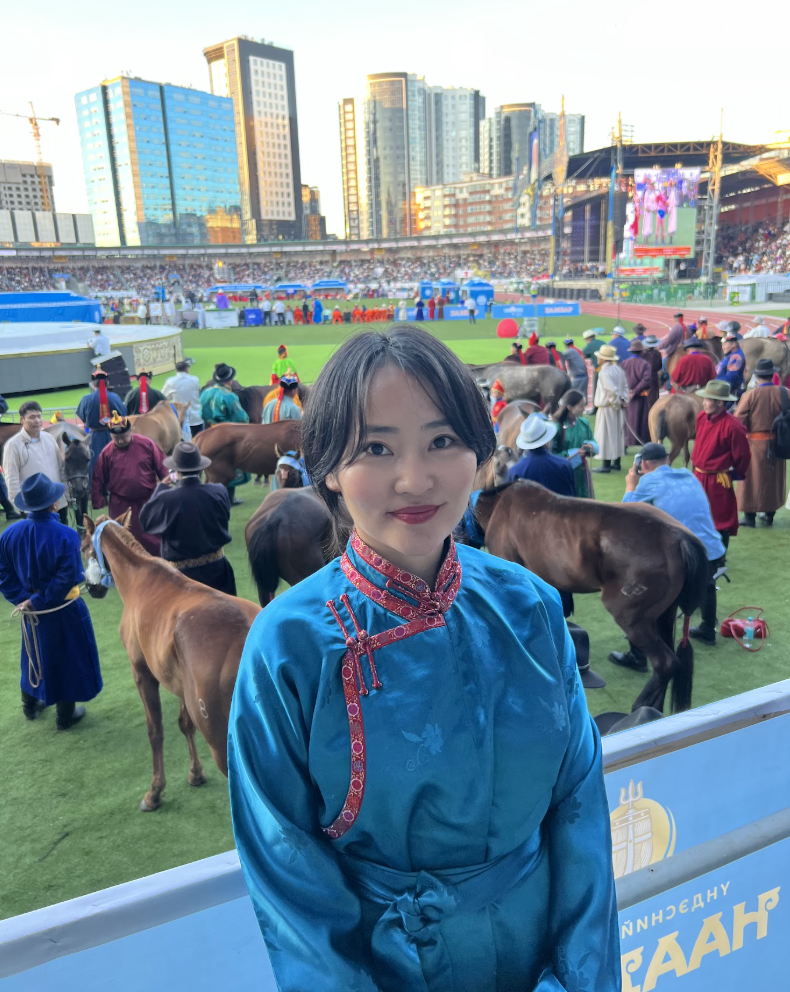
Interviewed by Timo Eckenfels, Veloura Gems · In conversation with Amarjargalan Gankhuyag, tour guide and Mongolia native
I met Ami during a six-day trip through the Gobi Desert in June 2026. She was our guide. Over several evenings in the desert, between the silence of the steppe and the extraordinary sky above us, she answered questions about her life, her country, and what it means to belong somewhere.
Ami was born in a ger in western Mongolia. She studied in Budapest, worked at the Venice Art Biennale, saw the sea for the first time in Italy, and came home. She is one of the most thoughtful people I have met in a long time. These are her words.
The Countryside
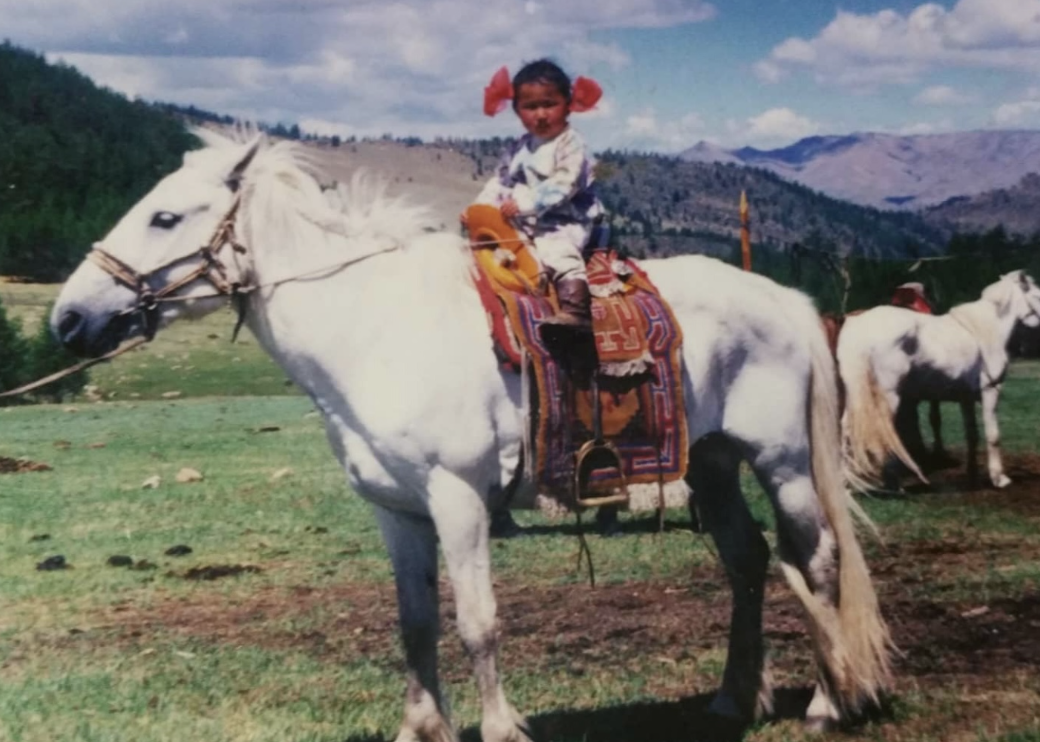
I grew up both in the countryside and the city. I was born into a nomadic family in western Mongolia, Zavkhan Province, and I lived there until I was 8, when I needed to enter primary school. For better educational opportunities, my parents decided to sell some of our livestock and move to Ulaanbaatar in 2002. Since then, I have grown up in the city.
For me, my early childhood holds very special memories of life in the countryside, herding livestock, and the collective way of living with my family and relatives, who all shared the same nomadic origins, roots, and way of life. Looking back now, it feels like an eternity. Waking up and spending every day on the vast open land, I only knew my homeland, my family, our livestock, and my grandma's tales. But I was a little girl with big dreams. I wanted to travel, learn about different cultures, and live a city life.
Life in the city was not easy for us after transitioning from our nomadic origins to urban life. My parents tried many different jobs, and somehow they managed to raise all four of us with good education and opportunities. We moved our ger to the city, and we lived in it for many years there as well.
Growing up in the ger district was not much fun. Especially in the beginning, we did not feel as free or as safe as we had in the countryside. Back then, the streets could be dangerous, with alcoholics and uncontrolled dogs, among other things. So we did not play outside very much and instead spent most of our time at home. A few years after we moved to Ulaanbaatar, we bought a TV, and it became the most entertaining thing for us. Our days were spent going to school, doing homework, helping our parents on chores, and watching a lot of TV. Because we lived far from the city centre and for affordability reasons, we rarely visited museums, cinema, or even the children's park.
One thing I wish there had been more of during my childhood in the city was access to learning resources, especially books, as well as more opportunities to visit museums, theatres, and other cultural places.
What was daily life like growing up in Mongolia?
In the countryside, I do not remember much about the winters, but in the summer I spent all my days by the river, swimming, playing, and sunbathing with my siblings and cousins. I would only come home when I was hungry. Some mornings, my siblings and I took the sheep and goats out to graze. In the countryside, children learn nomadic herding skills from a young age, so we naturally took part in those activities. During the day, we were mostly free to play, swim, and spend all our time in nature.
In the city, we went to school and helped our parents with cleaning the home and cooking. Then we worked on our homework, watched TV, and sometimes played games. Daily life was just so simple.
Can you share some experiences from being born and raised in the countryside?
I consider myself a true nomad because I was born in a Mongolian ger in the middle of July at sunset in the countryside. I was my parents' first child, and because my mother lacked experience with childbirth and the ambulance did not arrive in time, I was born at home, just as people were in ancient times.
I strongly believe this shaped my character, mindset, and connection to my origins. I have lived abroad and traveled to many different places, but I have always felt an inexplicably strong spiritual connection to my homeland and roots. Somehow, I always feel that it calls me back.
After living more than 20 years in the city, what I miss most about my childhood in the countryside is the tranquility, peace, and freedom. I did not worry about anything. Everyone was humble, kind, and innocent. And it was all about rivers, grasslands, valleys, mountains, and trees.
Selling the Herd
What did it mean for your family to sell livestock to fund a different life?
My parents sold our livestock and moved to the city so that my siblings and I could attend school in the capital for a quality education and better future opportunities. For Mongolian nomads, livestock is the greatest asset in life, and we value and respect our livestock deeply because they have sustained our way of life for generations. My parents were not particularly attracted to city life. So, this was a life-changing decision for all of us. It was also a difficult one, as we had to leave behind our homeland and our life with the livestock in the countryside, to which we all had a deep emotional bond.
For my parents, life in the countryside was good and, in many ways, easier. Every year, the number of livestock we owned increased, and our life was peaceful and simple. In the city, it was very challenging for my parents to make a living. My parents tried many different ways to earn a living. They sold dairy products and meat, sewed and sold traditional clothing, my father offered a walking telephone service, and they took on whatever work they could find to support our family.
My mother often recalls those early years in the city. Sometimes she wanted to give up and return to our homeland. But she always says that she kept going because she was determined to raise us with good education and better opportunities.
What is the price reality of that decision?
We sold about 60 head of livestock, around 40 of which were sheep and goats. The rest were horses. My mom recalls that each animal cost between 20,000 and 60,000 MNT back then. In total, we received roughly 2.2 million Mongolian tugriks. We used the money to cover the expenses of moving to the city and our living expenses during the first winter in Ulaanbaatar.
Today, my siblings and I have all attained higher education, and we are all living well in Ulaanbaatar.
How did moving to the city change how you see your own country?
Moving to the city made me experience both positive and negative sides of urban life. Shops, cars, apartment buildings, crowds, entertainment places, markets. All of these were completely new to me. At that time, I thought the city represented how developed Mongolia was. In some ways, it was exciting because I had always wanted to study in the city and experience this new lifestyle.
But at the same time, I also started to see many difficult realities of urban life. I witnessed social issues that were quite discouraging at the time, such as alcoholism, poverty, inequality, and crimes that were often talked about and happening around us.
I also realised how vast and beautiful Mongolia is and started appreciating the countryside and nature more since we lacked nature, safety, and peace in the city. And the same appreciation for the nomads in the countryside. Everyone there is kind, generous, and innocent, while some people in the city could be dangerous, cold, aggressive, and selfish.
Europe Called
What was the school system like, and how did studying abroad change you?
I attended a regular public school in the outskirts of the city, where the quality of education is not as good as private schools or schools in the city centre. So, it actually took me more effort to learn English well. Luckily, I got selected to attend an English programme funded by the US Embassy in Ulaanbaatar which lasted for two years. It definitely changed my life trajectory. I wonder how I would have been living now if my family had stayed in the countryside or if I had not got the chance to study English with the programme. For two years, I attended my regular school and after class I travelled more than an hour by bus back and forth to the city centre to learn English. I remember, sometimes it was very challenging and tiring, but I am forever grateful for the opportunity that shaped my further education and life.
Studying and living in Europe was definitely one of the most transformative experiences of my life. It challenged me, helped me grow immensely, and gave me a broader, more open-minded perspective on the world. Besides my academic studies in Budapest, I worked several part-time jobs in cafés, restaurants, and even on a movie set. I also worked for the Venice Art Biennale, where I got to connect with people from all different cultures, backgrounds, perspectives, and histories.
Before this, I had never travelled alone, not even in my own country. But I did some solo travelling around cities in Europe, and it was such an eye-opening and overwhelming experience. I saw the sea for the first time in my life in Italy when I travelled to the Amalfi Coast, and I also experienced a transcendent sea storm on a ship in the open sea. Somehow, I wasn't scared. I actually felt bolder. It felt like that sea storm changed something in me forever.
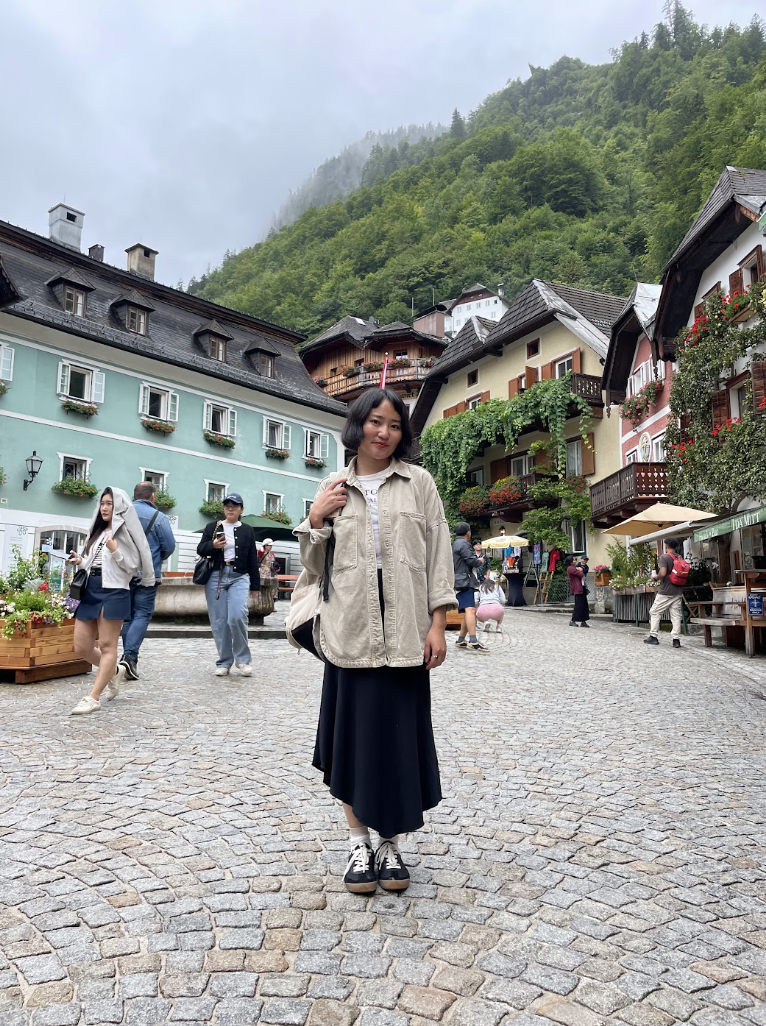
Another reason I went to Europe was for the art and culture. I wanted to visit art museums and see the artworks of my favourite artists, such as Egon Schiele. I fell in love with one of his paintings, The Setting Sun in Autumn (1913), and I looked up where the original painting was kept. It was at the Leopold Museum in Vienna. Five years later, I finally got to visit the museum. I believe I connected with that painting so deeply that, in a way, it called me to Europe.
Overall, it gave me a profound journey of self-exploration, amazing friends and connections from all over the world, enriching experiences that shaped my mindset, and many treasured memories that I will carry with me for the rest of my life. Through all of this, I became more independent, more open-minded, and braver than I was before.
What surprised you most about Europe when you first arrived?
I was familiar with European culture, architecture, and lifestyle through European art and cinema before I moved there. Of course, there were things that were very new to me, but I was not surprised that much. I loved the architecture and the visible scenes of the cities. Everything felt well designed and arranged in terms of aesthetics and convenience.
Coming from a very close-tied and collective culture, in Mongolia, it was like I could not really have that much independence or freedom because everyone wants to know how I am doing with my career, when I am going to be married or have kids, how I am going to build my life. Sometimes I felt like everyone wants to know everything and I do not have the privacy I had earned. So when I moved to Europe, people did not really ask those things and they seemed to be very careful with what I would not want to be asked. That kind of shocked me as well, that I felt so much independence, privacy, and freedom.
What did you miss immediately?
Mongolia's countryside, air, and wind.
What do Europeans misunderstand about Mongolia and Mongolian people?
I feel that some Europeans think Mongolians are aggressive, angry, or invasive because of the history of the Mongol Empire. But actually, Mongolians are generally gentle and humble, especially the nomads from the countryside. And Mongolians also have a good sense of humour, make jokes and enjoy friendly and fun conversations a lot.
They also think that every Mongolian eats a lot of meat all the time. But that is not really true. In the past, Mongolian nomads did not eat much meat during the summer and other warmer seasons. Instead, they consumed more dairy products, believing it helped detoxify their bodies.
Even though I sometimes could not tell if it was a joke or a real question, sometimes people asked me if we still go to school by horse. Mongolia is a very modernised country and the majority of Mongolians are highly urbanised. Nearly half of the total population of Mongolia lives in Ulaanbaatar, and almost every family whether in the city or in the countryside has access to modern vehicles. Even nomads in the countryside have shifted to using cars or motorbikes instead of riding horses to tend to their herds. Mongolia is also very connected in terms of roads and networks. Over 90% of the population uses the internet. So the idea that Mongolia is very remote, hard to travel, no logistics, is wrong.
What People Get Wrong
What is a stereotype about Mongolia that is completely wrong?
That Mongolians are all nomads, live in gers, and all ride horses. It is completely wrong, because we have more urban population living in the city than nomads in the countryside. We have modern cities, modern lifestyles and modern things besides preserving our precious nomadic culture.
Also, that Mongolia is part of China and Mongolians speak Chinese. It is completely wrong. We are a separate, independent country with our own identity, government, and language. We became independent in 1921, and our official language is Mongolian.
What is one that is actually true?
Mongolia is a very cold country. Our winters can be extremely harsh, with temperatures dropping below minus 40 degrees Celsius. Ulaanbaatar is also known as the coldest capital in the world.
If someone asked you honestly whether to visit Mongolia, what would you tell them?
I always say, visit Mongolia, my beautiful country.
Mongolia has diverse landscapes and all breathtakingly beautiful. We have a rich and unique culture, history, and traditions that have stood the test of time. Stay in a traditional ger like in the 13th century, ride across the open steppe on horseback, share homemade dairy and Mongolian traditional food with local herding families, and experience a way of living where nature sets the rhythm of each day.
Get lost in the vast land, drive for hours passing through diverse scenes and landscapes, sleep beneath a sky overflowing with stars, and wake up to nothing but the sound of the wind.
We have a saying in Mongolia that we may not have five-star hotels in the steppe, but we have a five-million-star hotel. And it is true. Our night skies are incredible. Sitting outside your ger at night, looking up at the Milky Way and thousands of stars with no city lights around you is an experience you cannot really describe until you see it yourself.
What do you think visitors are actually looking for when they come here?
A lot of visitors are curious about Mongolia because of the Mongol Empire and Chinggis Khan, but I think what really surprises them is seeing how our nomadic culture and traditions are still so alive and strongly preserved today.
Mongolia is a huge country with incredible natural diversity and so many hidden wonders. One of the biggest reasons people visit is because it is still so untouched. You can travel for hours and see nothing but endless landscapes, open skies, and nature in its purest form. It gives people a chance to slow down, disconnect, and experience something completely different.
I truly believe that the Mongolian countryside and nature have a unique sense of ethereality and divinity that you can feel the moment you experience them.
Every part of Mongolia feels completely different. The Gobi is globally recognised for its incredible paleontological discoveries, especially its dinosaur fossils and eggs. But the Gobi also has breathtaking landscapes, huge sand dunes, dramatic cliffs, and unique wildlife. In the north, you can experience the peaceful beauty of the taiga forests and meet the Tsaatan people, the reindeer herders who have kept their unique way of life for generations. In the west, you can discover dramatic mountains, glaciers, and the culture of Kazakh eagle hunters.
That is what makes Mongolia so special. Every region has its own landscape, people, traditions, and stories.
What Home Means When Home Moves
What does home mean for a nomadic family when home physically moves?
For Mongolian nomads, we all belong to a territory of a provincial district called a soum, and this is often inherited from our ancestors. For us, the whole province and the land we come from are considered our home. Traditionally, we move within the territory that has been connected to our ancestors for generations.
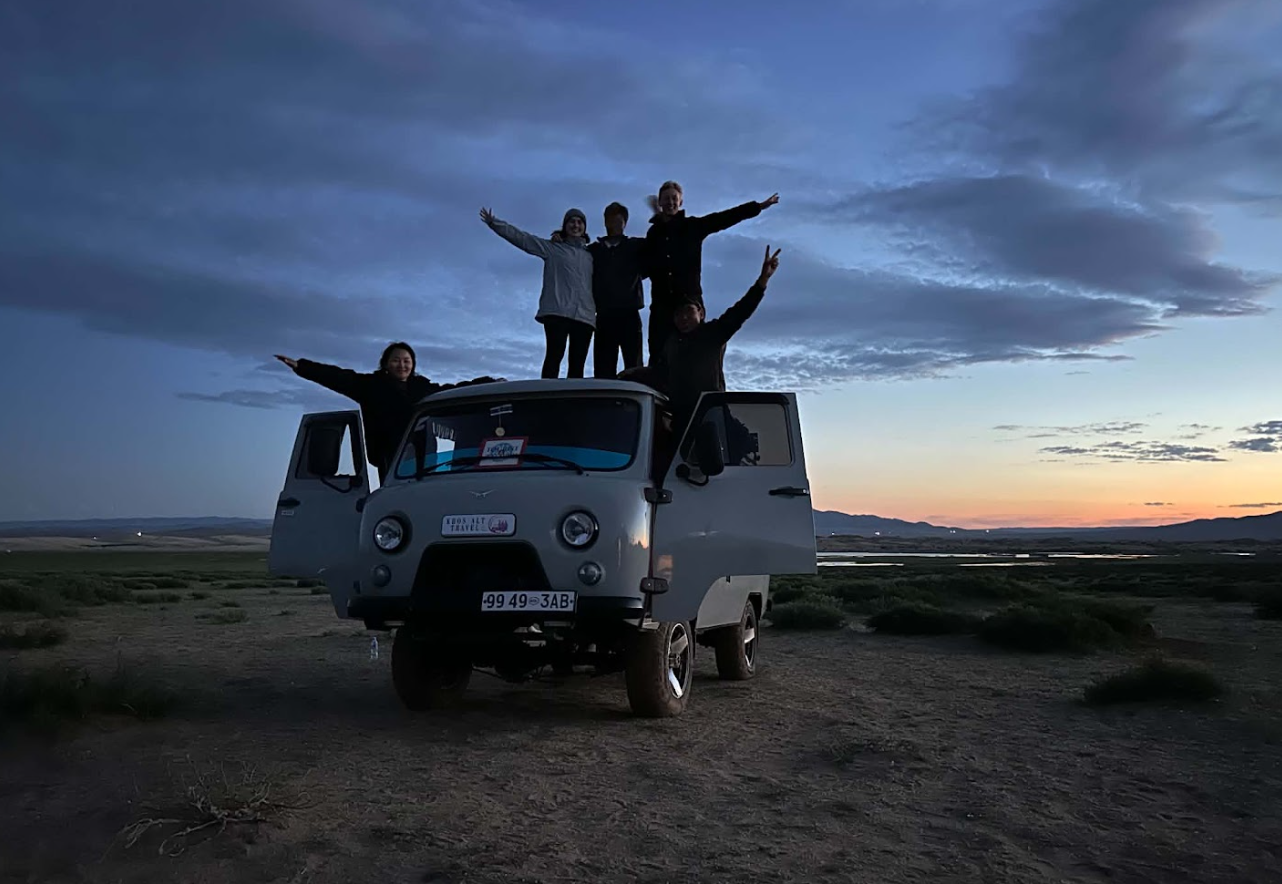
So even though we move several times a year, we are not really leaving our home. We are moving within the land that we belonged to for generations and that we call home as a whole. The ger, the family, the livestock, and the land. We call it home altogether. Every time we move, everything moves together, and it all remains connected to the same homeland and territory.
I think all Mongolians have this feeling that the entire Mongolia is our home. So even when we move to different provinces or different parts of the country, we can adapt quite easily, and many places can feel like home because we feel connected to the land as a whole.
On the other side, movement is the essence of Mongolian nomads. We move, we change locations, but we do so with a deep awareness of our relationship with nature. We live in harmony with the environment and leave as little impact on the land as possible.
Every time a Mongolian nomadic family moves, we clean the place completely and leave it behind with great respect and without a trace, almost as if we were never there. In our nomadic culture, we consume less, avoid choices that harm nature, and try to preserve the land in its original state. We live simply and humbly so that nature stays as it is.
This deep respect and connection with nature is one of the reasons why our nomadic culture has been preserved for generations, and why much of our landscape remains untouched, pristine, and deeply connected to its original spirit.
The Closing Question
What did this place, this life, give you that nowhere else could?
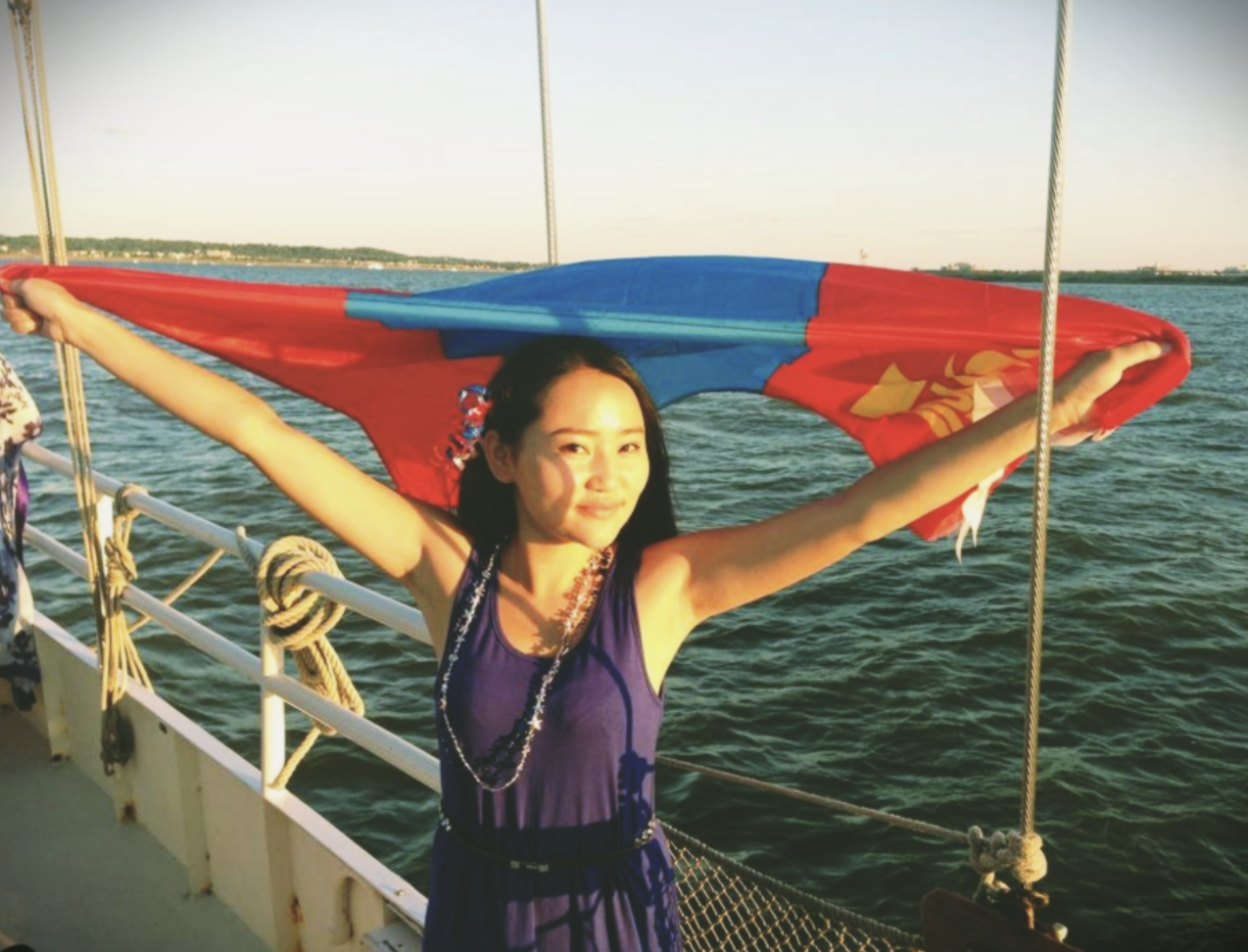
Even though I lived in the capital city for over 20 years and lived abroad for about four years, I have always felt this strong connection with my roots and nomadic origin. I am a nomad and a daughter of the steppe, no matter where I go or what I do in life. When I lived abroad, I felt this connection with my roots stronger than ever before. It is hard to explain in words, but I realised that I carry my ancestors' soul, the energy of the land where I was born, and my nomadic origin within me. I deeply love and treasure my origin, history, and the rich cultural heritage of my country, my native language, and my motherland.
Being born as a nomad in Mongolia has given me endless and ethereal land, a true freedom, wisdom passed down from great warriors and nomads throughout centuries, a history and culture that I am deeply proud of, and a tranquility that I cannot find anywhere else.
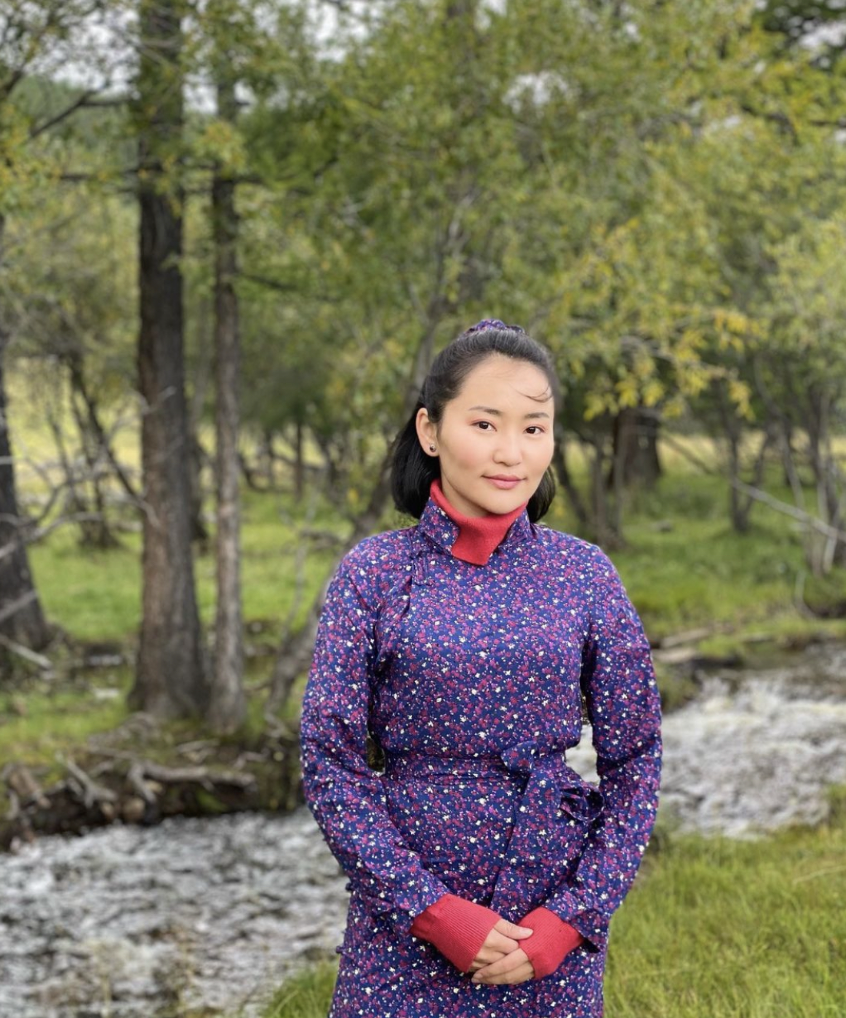
When I used to dream of living in fancy and popular cities around the world, I now realise that nothing is more valuable to me than living in my home country. I have decided to return, and I will probably move back to my homeland in Mongolia, which I left when I was 8 years old. This connection simply exists in my heart and soul, and it is so strong. I am happy that I can feel it and recognise this calling.
If there are reincarnations after this life, I would always want to be born as a Mongolian in Mongolia.
Ami is a tour guide based in Ulaanbaatar, Mongolia. She guides across the country including the Gobi Desert, the northern lakes, and western Mongolia. Timo travelled with Ami through the Gobi Desert in June 2026.
Here is the direct link to her tours and Instagram profile. You can also send her a direct mail to: ami.nomadnotes@gmail.com
People Of is a Veloura series of conversations with the people who shape the places we write about. Read more at veloura-gems.com/guide.
