
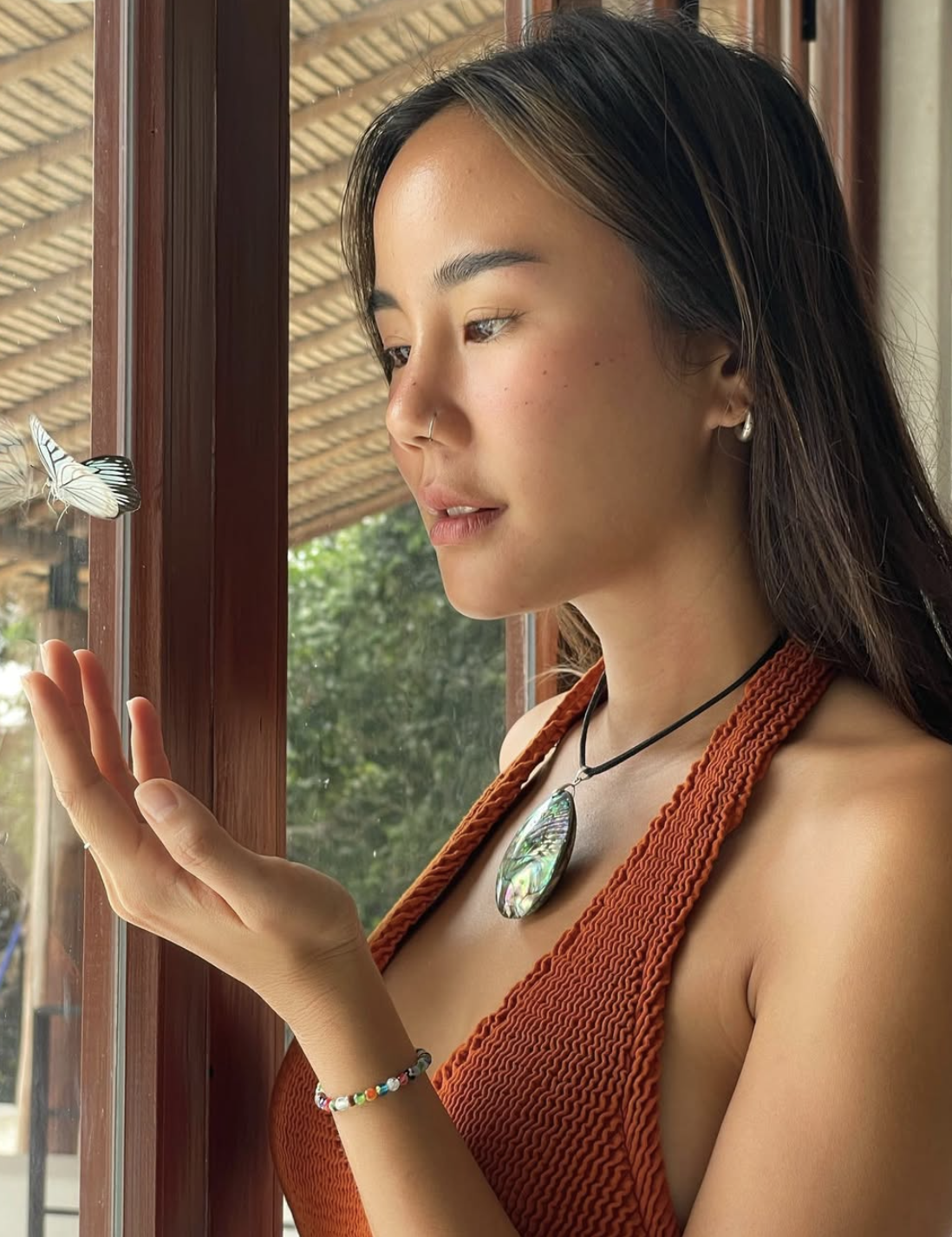
Photo by Note Panayanggool
Interviewed by Timo Eckenfels, Veloura Gems · In conversation with Notep, multidisciplinary artist, musician, environmental storyteller and National Geographic Explorer.
Some people spend their whole lives looking for the thing they were always meant to do. Note Panayanggool found hers at three years old, in the back seat of a car, singing until her mother asked her to please stop and go to sleep.
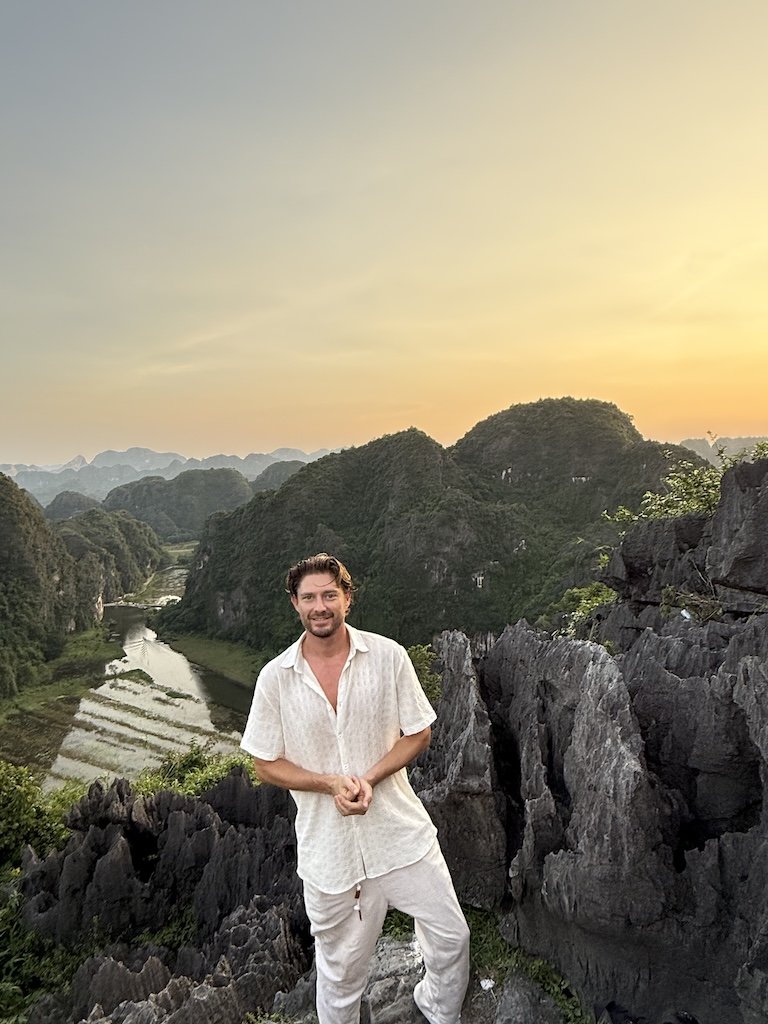
Your Local Ambassador
Timo E.
Timo and Note crossed paths in Italy, and what started as time spent together turned into a conversation about music, identity, and the long road from a TV talent show to the Amazon. This is that story, mostly in her own words.
Her mother did not stop her for long. She enrolled her in singing lessons instead. Then drums. Then guitar and piano. Note forgot most of it later, but enough stayed that she can still produce. That is how it started. Not with a grand plan but with a child who could not keep quiet and a mother who decided to say yes.
Thirty years later, Note Panayanggool is a multidisciplinary artist, musician, environmental storyteller, composer and National Geographic Explorer currently documenting the Mekong River Basin and the last Irrawaddy dolphins left alive in it. She got here the long way. Through a TV talent show, a five-year record label contract that nearly broke her, a burnout so complete she could not listen to music at all, and a slow rebuilding that took her to Nepal, to Bali, to Ayahuasca ceremonies, and eventually to the Amazon.
This is that story, mostly in her own words.
The Girl Who Would Not Shut Up
Note grew up in Chiang Mai in a house full of sound. She was the kind of child who did activities after school the way other children breathe: constantly, without being asked, two per day if they would let her. Choir, crafts, sports and volunteering work. Whatever the school offered she signed up for.
Music was always the loudest thread. She sang everywhere. In the car. At night. In between doing other things. Her mother would have to tell her to stop and sleep.
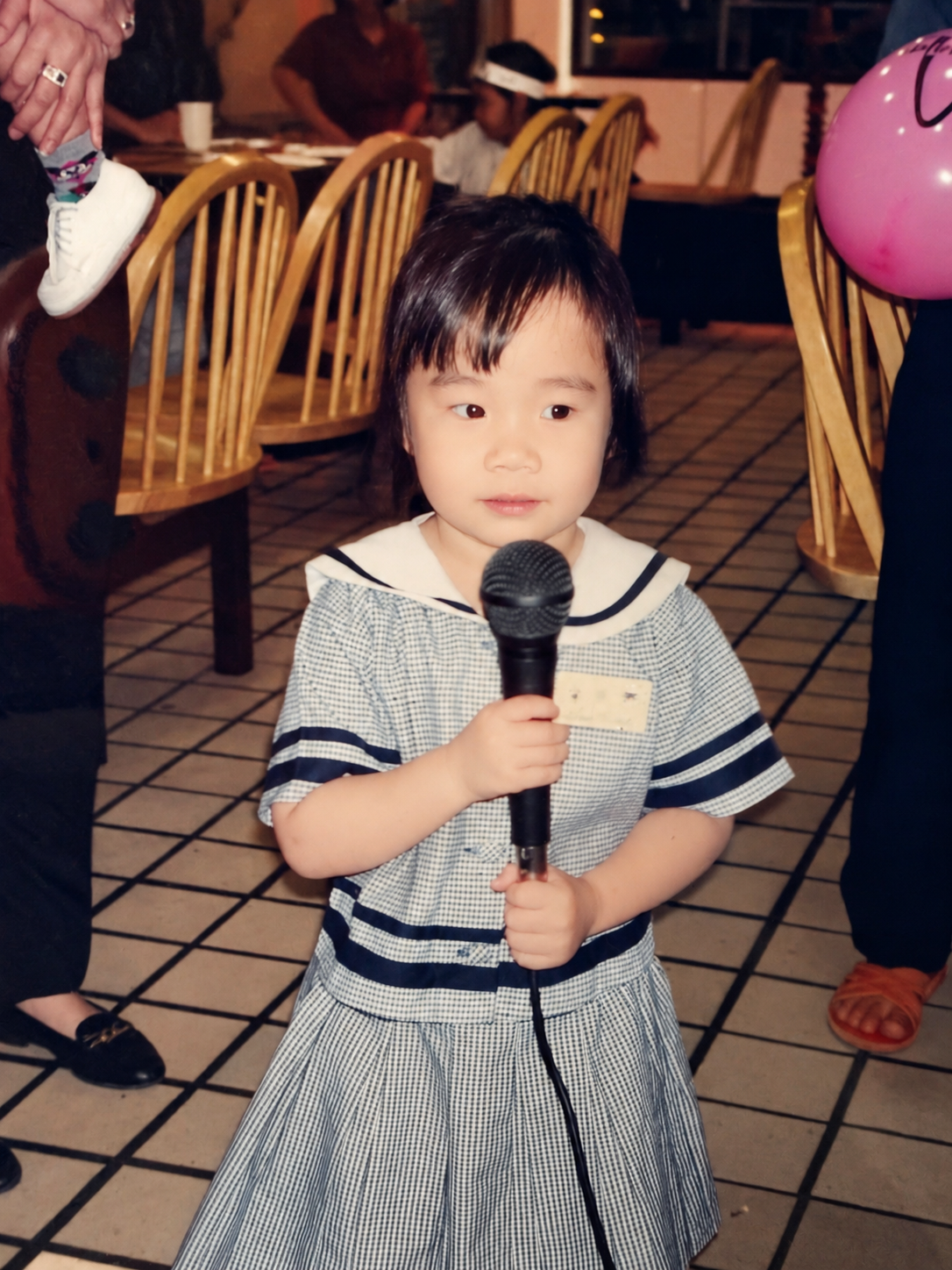
Photo by Note Panayanggool
"My mom was like, okay, she's not gonna shut up, so I'm gonna get her proper training."
She took her to a singing teacher when Note was around four years old. Not because she had ambitions for her daughter to be famous. Simply because the noise needed somewhere to go.
By her early teens, Note had already tried to audition for a singing competition. She made it through. She just never knew. Weeks later she found out that someone at home had taken the call and quietly said no for her. She never learned who, and she never asked. Some decisions made for you are easier to leave where they are.
She was thirteen. She would get another chance.
Italy and the Ukulele
"Because I didn't speak the language, I wanted to communicate to everyone, so I used music."
Note Panayanggool
At sixteen, Note left Thailand for the first time alone. She had a scholarship for a school exchange in Rimini, Italy. She spoke almost no Italian. She brought a ukulele.
"Because I didn't speak the language, I wanted to communicate to everyone, so I used music."
It was, she says, the year she sang the most in her life. Not on a stage, not for an audience, but as a way of crossing the distance between herself and people she could not yet talk to. A Kiwi girl became her best friend. The kind of person who walked into every room like she already belonged there, and made everyone around her feel the same way.
That is the confidence Note came home with. Not the kind that requires being exceptional. The kind that comes from deciding you are allowed to take up space.
She came back to Chiang Mai changed. Her family noticed the new energy. And at a traffic intersection she passed every day on the way home, she saw a sign advertising The Star, one of Thailand's biggest singing competitions.
She told her mother she was going to try.
The Star
She made it through the auditions and into the final. Suddenly she was one of eight contestants living together in a house, completely cut off from the world for three months. No calls home. No news. No idea how many votes she was getting or losing. The show kept all of that out deliberately.
"They don't want us to know what's going on outside. Like who's getting a lot of votes, who's getting little. So it doesn't affect."
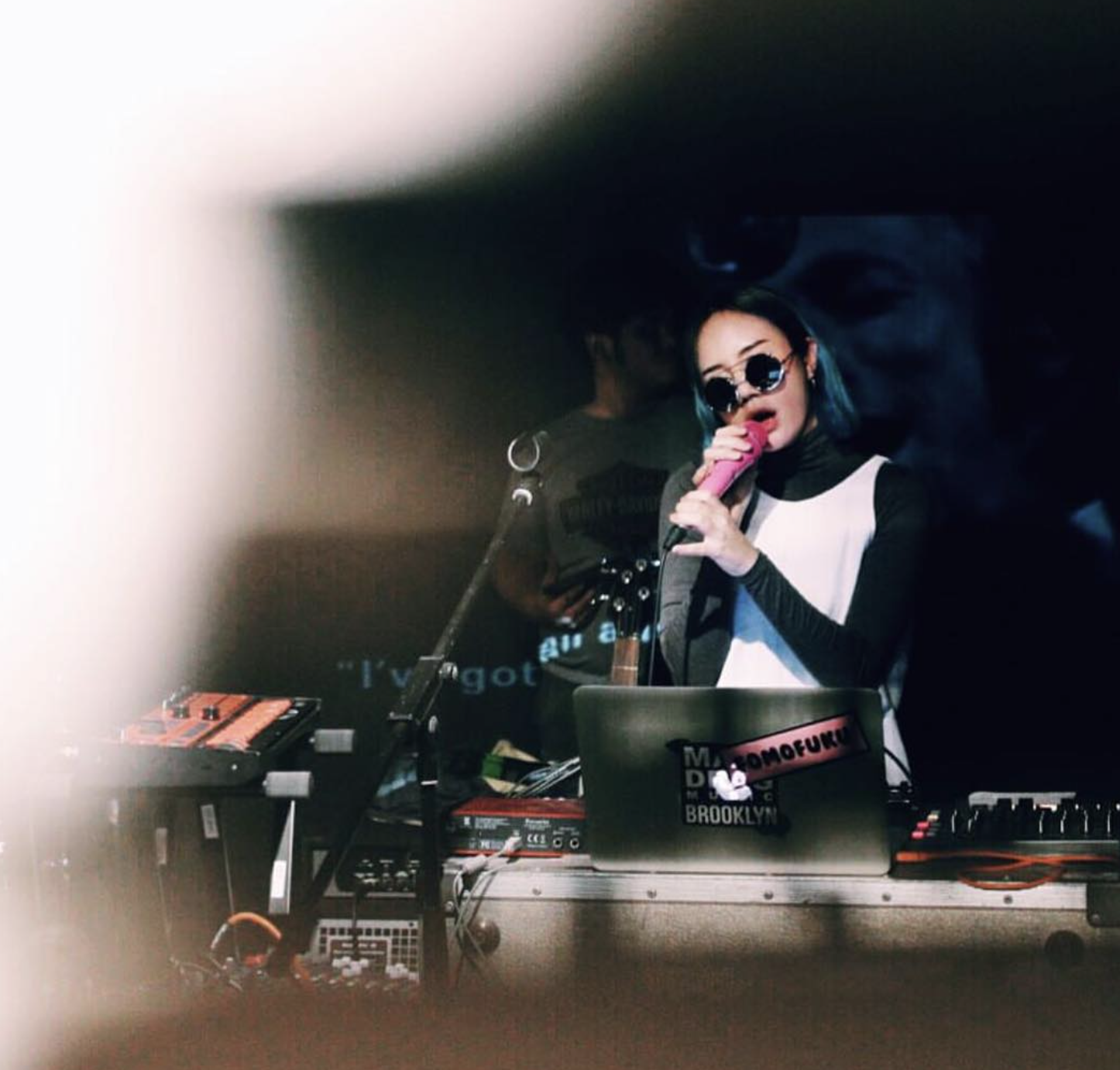
Photo by Note Panayanggool
Every week someone went home. Note performed every time in front of a live studio audience, hundreds of people watching a teenager who had never done anything like this before. She was sixteen. A teenager still finding herself, now doing it on live television. But that studio taught her things no classroom could. By the time she reached the final two, she was a different performer than the girl who had walked in.
Second place. She was seventeen. Within months she had signed a five-year contract with one of the biggest labels in Thailand and moved to Bangkok alone, a city she barely knew, to become a pop star.
The dream had arrived.
Five Years as a Product
"I was just doing a duty. I was just being a product, not the artist."
Note Panayanggool
Those years gave her something real. She is grateful for the reach they built. She goes to villages along the Mekong for her National Geographic work and grandmothers recognise her from a TV show that aired almost two decades ago. That kind of recognition travels differently. It is not about followers or algorithms. It is about a teenager who sang her way into people's living rooms and is still there.
But the work itself was not hers.
"I was just doing a duty. I was just being a product, not the artist."
They chose the songs. They told her where to go, what to shoot, what to wear. If she wanted to work on something outside the label's plan, the answer was no. She was under contract. Every day was accounted for by someone else. She showed up. She delivered. That was the job and she did it.
"Not everything is black and white. You've got to understand the gray."
She says that now with the calm of someone who has had time to sit with it. She had a dark period after, a real one, when she did not understand why she felt so lost. It took years to see it clearly: she had been shaped into someone else for so long that she had lost the thread of who she was underneath.
"I was forced to be something I was not for a long time, so I kind of lost touch with myself."
She has done her complaining. She is done with that chapter.
The label let her go in year four. Not badly. They could see she was not okay. She could see they could see. It was, she says, a mutual understanding. They were kind about it.
She was free. She had no idea what to do with that.
The Experimental Years
Freedom, it turned out, was harder than a contract.
She formed an experimental band called the “Krrrr” with three other women. They wore motorbike taxi shirts to perform. They did cosplay. They were, she says, extremely weird. It lasted a couple of months before one member quit.
Then came X0809, an electronic duo. More serious. They were getting attention. But Note had spent five years with an entire team managing her life, and now she was the booking agent, the manager, the sound engineer, the PR person, and the performer all at once. She and her duo partner were naive. They signed with managers who took advantage of them. The dance music world, she says, is not always friendly to young women who don't yet know what they're worth.
Her duo partner decided she'd had enough. She left to do a master's degree. Note continued alone for a while under the XO809 name, until she started asking why she was performing under any name but her own.
Along the way came the perks that look like success from the outside. Brand partnerships. Business class flights. The kind of treatment that makes people assume you have figured it out. But she was still performing a version of herself for someone else's idea of what she should be. Just without a contract this time. The audience had changed. The pressure had not.
It was too much. The music she had loved since she was four years old stopped feeling like hers at all.
She burned out completely.
"I couldn't do music anymore. I couldn't even listen to music."
Going Home
She went back to Chiang Mai. She stayed with her dogs. She stopped accepting work for a month or two. She picked up a paintbrush.
Art and music had always been her two great loves. Music had taken over everything. Now she came back to drawing, to painting, to making things with her hands for nobody but herself. She needed a subject to keep developing. She chose healing, because that was what she needed.
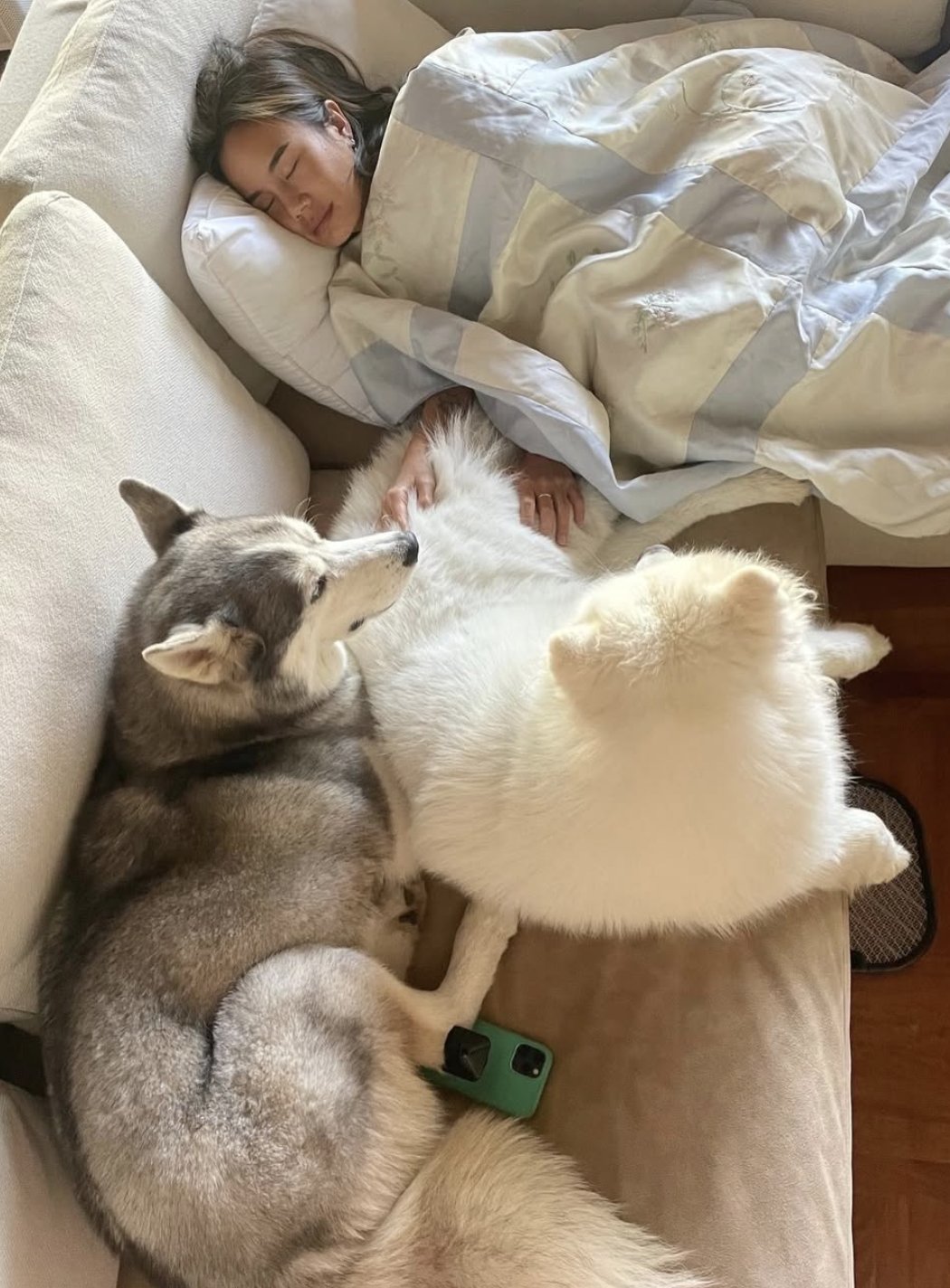
Photo by Note Panayanggool
She researched everything. She tried Reiki, Vipassana, Ayahuasca. She went to Nepal for sound healing. She followed each thread wherever it went, in a time before any of this was a trend in Thailand, before wellness was content, before spirituality had an aesthetic.
"People thought I was weird. I was crazy."
The Ayahuasca ceremony was the moment something shifted permanently. She will not say much about the experience itself. Those things belong to the person who lived them. What came out of it was a felt connection to the natural world that never left. Not a concept. A feeling she could not unfeel.
And then the research gave her the language for it. She discovered that music could be used to heal. That the sound of water slows the heart rate (blue mind theory, it is called). That birdsong signals safety because our ancestors learned that predators go quiet before they strike, and that signal is still written into us. That touching soil with bare hands triggers a release of natural chemicals that work like an antidepressant. That what she had always felt in nature was not sentiment. It was biology. Memory encoded in the body long before she was born.
Once you know that, the connection between music and nature and healing is not a lifestyle choice. It is just the truth of how human beings are built.
She started giving sound healing sessions. She advocated for mental health in Bangkok before anyone was calling it that. She hosted exhibitions that nobody had a clean name for yet: installation, performance, video art, sound. All of it together.
She was finding her way back.
Bali and the Epiphany
The turning point arrived in a specific room at Potato Head in Bali.
She had been invited to give a sound healing session for a Bangkok takeover event, with a DJ set on the side.
Music and well-being and sustainability and community, all under one roof, none of it feeling forced or packaged or like it was trying to be something. Just existing together, naturally, as though they had always belonged together.
"I was like, oh. This is how you do it."
She came home from Bali knowing what she wanted to make. She went straight to ask Phuong, a collaborator she had crossed paths with before, to work together. She said yes. She started recording again, this time as herself, under her own name.
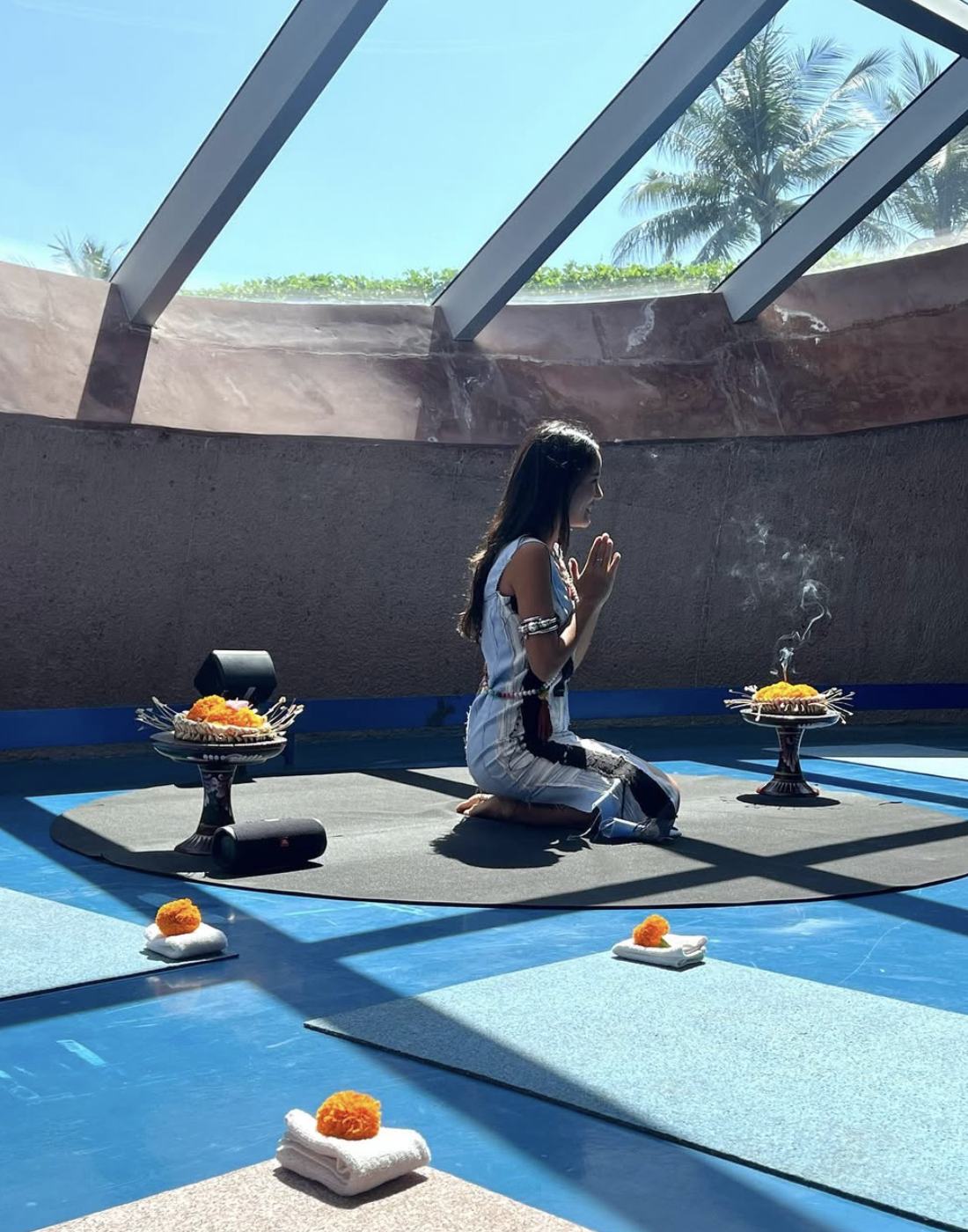
Photo by Note Panayanggool
In 2023 she had one of the busiest years of her life. Gigs almost every week. Travel she had never imagined for herself. A woman who thought she did not like travelling alone, suddenly alone on the other side of the world and discovering she loved it.
"It's me reconnecting back to that adventurous confident Note that I lost along the way."
The two years that followed were full. She developed her own hybrid format, performing and singing live alongside her DJ sets, playing venues across Bangkok and beyond, Europe included. But this time she was choosing. For the first time in her career she could say no to what did not fit and yes to what did. The projects she kept saying yes to had a pattern: nature, sustainability, meaning. She pushed herself further in that direction with every decision. National Geographic did not come out of nowhere. It came because she had spent years making herself exactly the kind of person they were looking for. In June 2025 she was in Barcelona for a casual studio visit which then turned into a collaboration on a project that took her to the Amazon and Mekong river basin a year later. Things were moving fast.
The Mekong
Among everything she is doing right now, one thread has taken her the furthest from home.
A project which she is a part of, is called Ancestral Future. It follows the entire Mekong River Basin, the main river and all its tributaries, learning what happened before, documenting what is happening now, in order to understand what could still be saved. The outcome will be documentaries and exhibitions that travel.
She is also running her own research grant, about the Irrawaddy dolphin. The project is called The Last River Echoes. It documents the critically endangered Irrawaddy dolphin and ecological changes across Cambodia, Laos, and Thailand, and will produce a public Mekong River Sound Archive, an educational documentary, immersive installations, and temple-based listening ceremonies along the river. There are fewer than a hundred of them left in the Mekong. They used to live across the river systems of Southeast Asia. They are gone now almost everywhere, because of what humans have done to the water. Note is using them as a lens on the wider failure: what happens when we stop protecting the things we share the planet with, and what it might mean to start again.
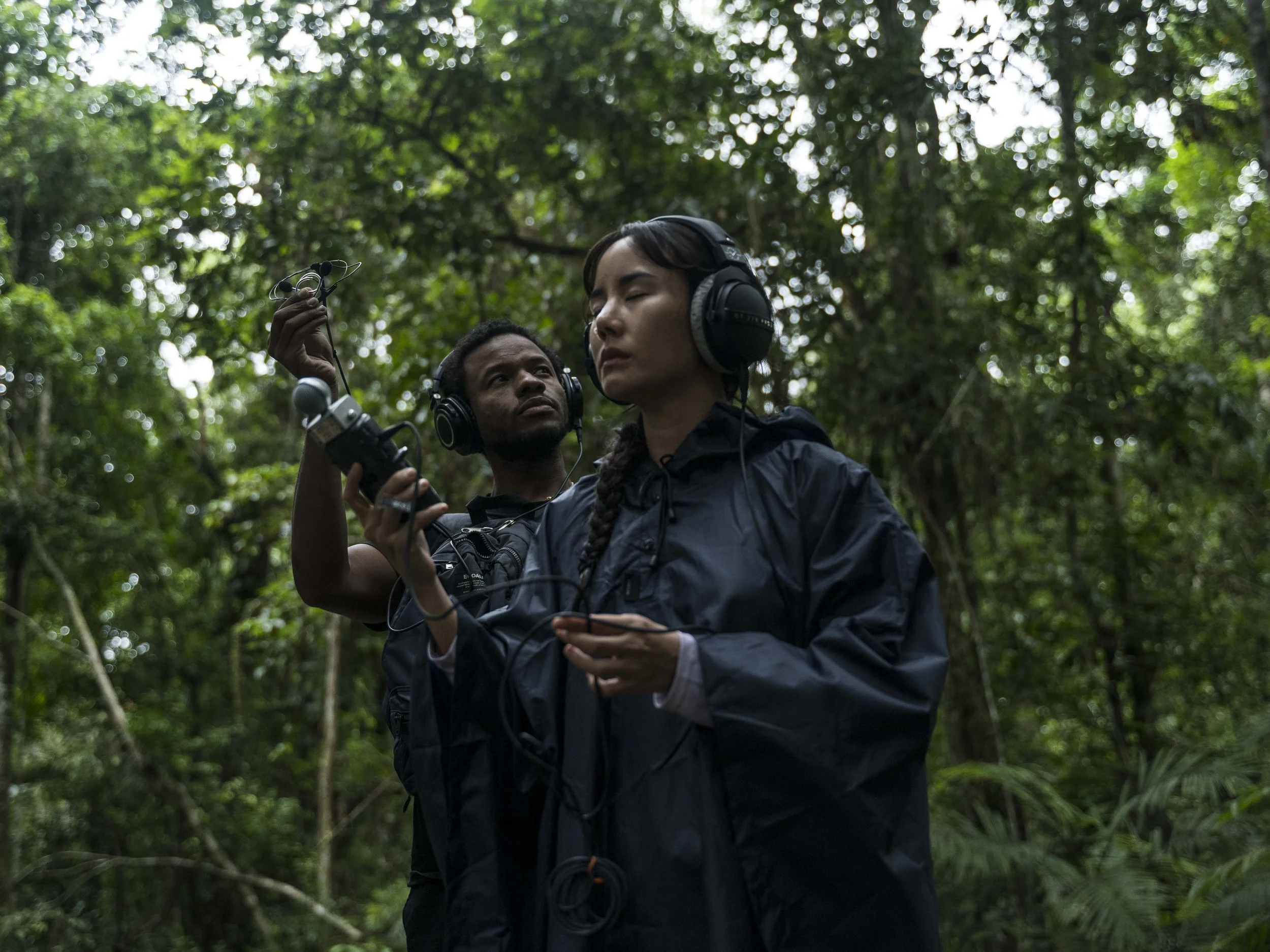
Photo by Note Panayanggool
"If people see them they will feel connected. And when people love something they want to take care of it."
A third project takes her to the Amazon, working for a Colombian based explorer on his project with the indigenous communities, documenting the Maloka, a wisdom hut where knowledge is exchanged across generations, and the plant medicine traditions that go with it.
She is not a scientist. She has never pretended to be. What she brings is the toolkit she spent decades building, music, art, performance, the ability to make someone feel something before they have time to look away.
"I can advocate for people who don't have as much power or voice. And for the environment. They can't talk."
The Music She Is Going to Make
Her next music project is about dying.
She wants to volunteer at hospitals and end-of-life care facilities. She wants to sit with people in the last stage of their lives, play for them, sing to them, listen to them. She wants to see what comes out of those rooms. An EP or an album built from what she finds there. Ambient, most likely. Something that sounds like the feeling of being at the edge of something.
"I want to learn so much about life. About myself, about everything."
She is not afraid of this territory. She is curious about it. That quality, the willingness to walk toward whatever she does not yet understand, runs through every chapter of her story. Italy when she could not speak Italian. The talent show when she was still shaking on stage. Nepal for healing no one in Bangkok had heard of. The Mekong and the Amazon and whatever comes next.
Designed, Not Found
Three years ago, she says, she started to become the person she had always wanted to be.
"You can decide. You can design your own future. And you don't have to go ask a fortune teller. Just believe in it and make it happen."
Note Panayanggool
This year, for the first time, she feels like she actually is.
"Every gig I go to I'm like, oh, thank god. I'm so happy. Thank you, myself, for taking me here."
She does not want people to take from her story the difficult years. She has done those interviews. The label years, the burnout, the lost period, all of it matters because it built the road she is on now. But it is not the destination. It is not even the point.
"You can decide. You can design your own future. And you don't have to go ask a fortune teller. Just believe in it and make it happen."
She did. Slowly, and on her own terms, against every pressure to be something easier and more sellable and less strange. She made it true.
Veloura App
More people. More stories. More Bangkok.
The Veloura app covers Bangkok and Koh Phangan with curated venues, member perks, and the stories behind the people worth knowing. Free to download.
Note Panayanggool performs and releases music as Notep. Follow her at @notep on Instagram.
People Of is a Veloura series that gives people a platform to tell their own stories. Everyone has something worth hearing. These conversations exist because people were generous enough to share their time and their lives. We are grateful for every single one of them. Read more at veloura-gems.com/guide.
