
Beyond the Lineup: The Art of Curating Wonderfruit
By Timo Eckenfels, Veloura Gems
An honest conversation with Wonderfruit’s Music Director Phuong Le about the decisions behind the scenes, the importance of cultural discovery, championing local talent, taking risks, and why Wonderfruit has always been about much more than music.
Your Local Ambassador
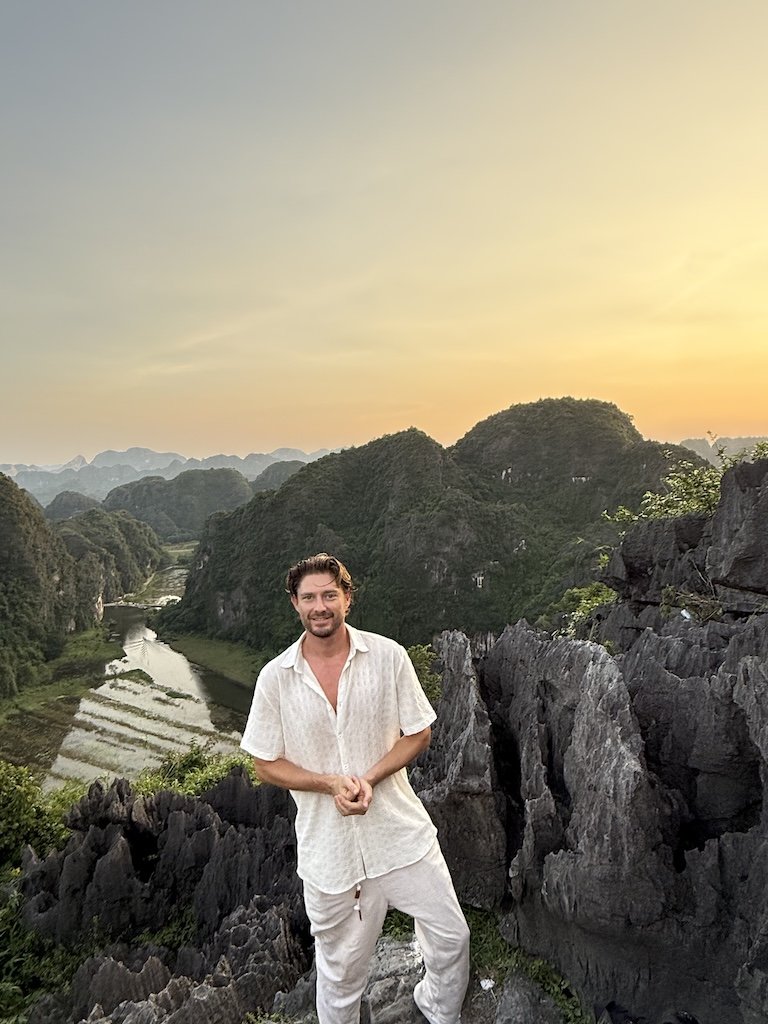
Timo Eckenfels
Timo has attended Wonderfruit multiple times from his base in Bangkok. He sat down with Music Director Phuong Le to understand what goes into curating something that refuses to be called a festival, and why the decisions that frustrate people the most are usually the most deliberate ones.
Phuong Le did not grow up wanting to run a festival. She came to Wonderfruit the way most people do: as someone who experienced it and could not quite explain what had just happened to them.
She had seen the biggest festivals in Europe. She moved to Asia. And then she walked into The Fields for the first time and thought: how can something like this exist here?
That question became her job. For the past several years she has been one of Wonderfruit's two Music Directors, responsible for the decisions that most Wonderers never see and occasionally never agree with. She removed Polygon Live. She fights for Thai artists to headline the same stages as anyone from Berlin or London. She runs the music team with two other people.
We sat down with her to talk about what it actually takes to curate something that refuses to be called a festival, why the best advice she can give anyone is to stop travelling with their friends, and what she asks herself every year when the sleepless nights stack up and the gates have not opened yet.
- Why Wonderfruit refuses to call itself a festival, and what it actually is
- The real reason Polygon Live was removed, and what changed after
- How the lineup is curated, and why follower counts are not part of the conversation
- Why Thai and regional artists belong on the main stages, not the early slots
- The one piece of advice she gives every first-timer, and why it sounds strange
- What Sonic Minds is exploring and why sound is central to Wonderfruit's future
- How a team of three builds one of Asia's most distinctive cultural gatherings
You often describe Wonderfruit as more than a festival. Why is that?
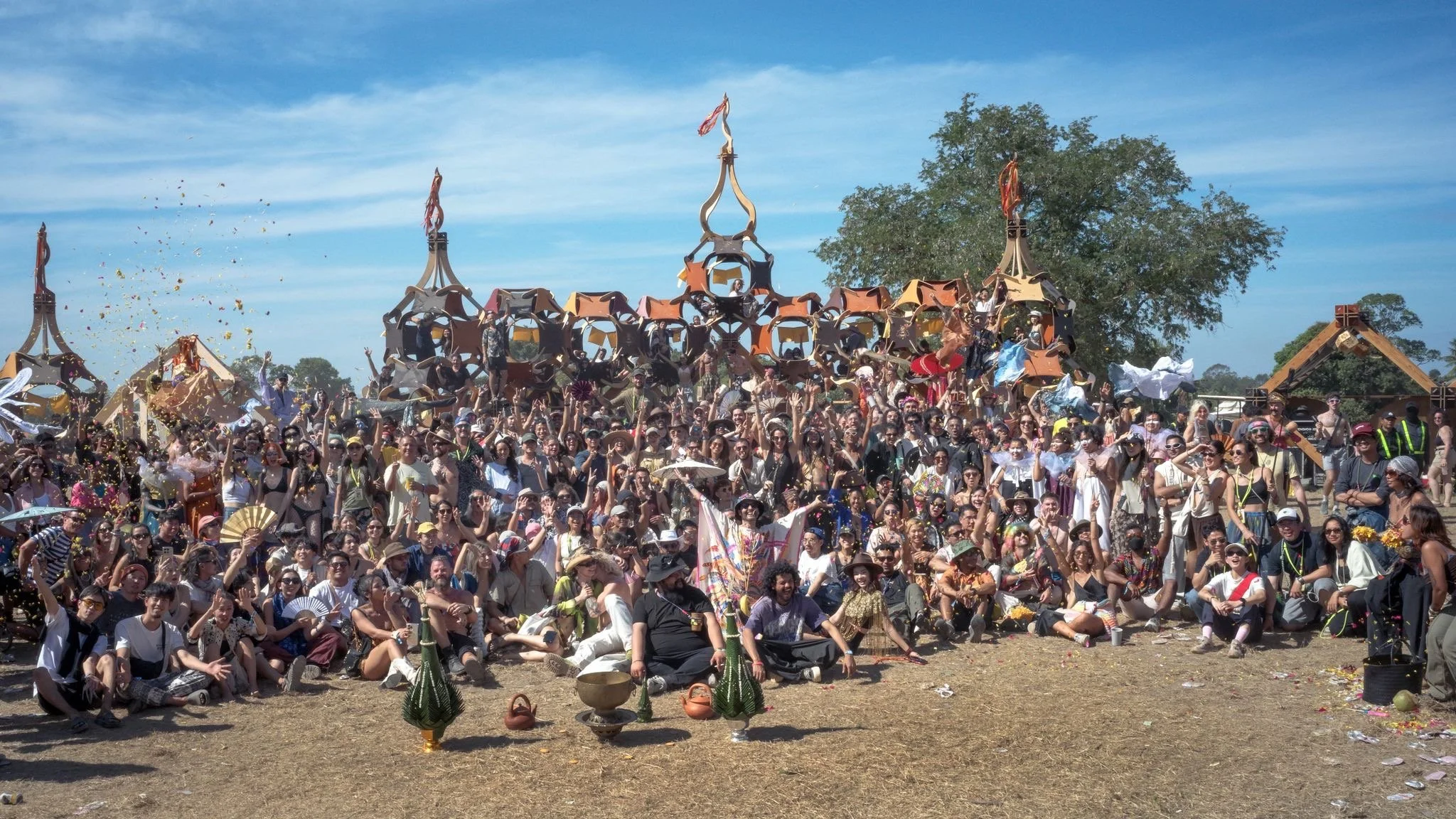
Actually, we don’t really like calling Wonderfruit a festival. But for the sake of understanding, I’ll use the word throughout this interview!
The reason is simple. When people hear the word festival, they usually think of stages, headliners, DJs, crowds, and a few days of partying.
And while music and celebration are obviously a huge part of Wonderfruit, that’s only one part of what we’re trying to create.
For us, Wonderfruit is more of a living, breathing cultural experience. A temporary community where music, art, architecture, nature, food, wellness,sustainability and different forms of human expression come together.
But more importantly:
The Fields are at the heart of everything we do. It’s not simply a piece of land where we build stages once a year. It’s a living, breathing environment that we care for and nurture throughout the year. From planting trees and growing medicinal plants and our own food to looking after our beehives, chickens, Maggie our pig, and our two buffaloes, there’s so much life happening in The Fields beyond those few days in December.
A lot of thought and care goes into how we develop the landscape, how our structures coexist with nature, and how we can continue to grow while respecting and giving back to the land. It’s an ongoing process, and something we’re constantly learning from.
What Wonderers experience in December is just one chapter of something that continues throughout the year.
And the relationships we build with artists, communities, and collaborators don’t end when Wonderfruit closes its gates. They continue to grow throughout the year.
That’s also why our philosophy around Mind, Nature, and Sound is so important. These aren’t separate concepts. They’re interconnected, and The Fields give us a place to explore that connection.
Of course, calling it a festival makes it easier for people to understand. And I’m absolutely fine with that.
But I hope that once someone has experienced Wonderfruit, they’ll understand why we feel that the word festival doesn’t quite capture what it really is.
After more than a decade of Wonderfruit, where do you see it heading?
I think we’re entering a really interesting chapter. After celebrating our ten-year anniversary, a lot of people are asking what’s next, what’s changing, and why we made certain decisions.
But the truth is, this shift didn’t happen overnight. We’ve been slowly moving in this direction for years.
Wonderfruit has always been about much more than music. Music is obviously a huge part of our identity, but what makes Wonderfruit special is how everything connects. Music, art, architecture, culture, nature, wellness, food, sustainability and most importantly, people.
We’re not trying to create an experience where you arrive, watch a few big headliners, and leave. We want to create a place where you’re curious, where you discover something you didn’t know existed, and where you might even learn something about yourself.
I think the biggest challenge now is to keep evolving without losing what made Wonderfruit special in the first place.
And sometimes that means questioning what we’ve built, taking risks, and making difficult decisions, even when they’re not always the most popular ones.
One of those difficult decisions was removing Polygon Live. A lot of Wonderers still ask why. What happened?
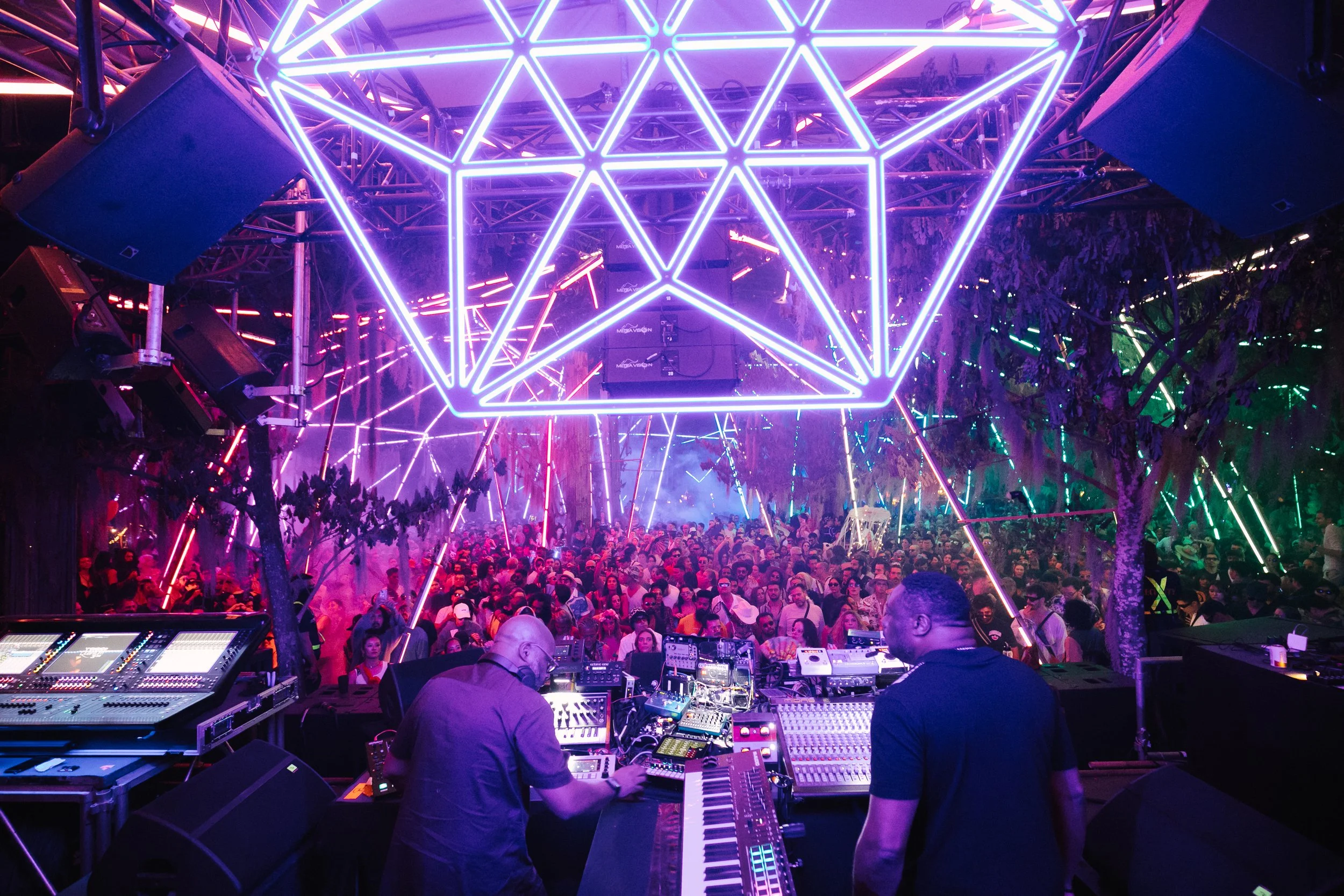
I knew this question would come up!
First of all, Polygon Live will always have a very special place in my heart. I actually started my journey with Wonderfruit through Polygon Live. That’s how I became more involved with Wonderfruit in the first place.
So believe me, I understand why people miss it. I miss it too! I’ll always be Team Polygon, and I absolutely love what they’re doing in London now with Polygon Portal. It’s amazing to see how the concept continues to evolve and push the boundaries of immersive sound.
But when you’re responsible for curating an entire festival, sometimes you have to put your personal feelings aside and look at the bigger picture.
One of the most important things for us is the overall flow of Wonderfruit. How people move through The Fields, how different spaces connect, how the energy changes throughout the day and night, and most importantly, how we encourage people to explore.
As much as we loved Polygon, we also noticed that people could spend hours in one place. And while that’s a beautiful thing in itself, Wonderfruit is about discovering so much more.
Taking away one of the most loved stages takes some balls, to be honest. It wasn’t an easy decision, and definitely not one we took lightly. We knew people would be disappointed, and I completely understand that.
But after making that change, we could really see a difference. People were moving around much more, discovering new spaces, exploring different sounds, and experiencing parts of Wonderfruit they might otherwise have missed.
And that’s exactly what we wanted to achieve.
It’s not about saying Polygon wasn’t right for Wonderfruit. Quite the opposite. Polygon has been an important part of our journey, and I’m incredibly grateful for what we created together.
But sometimes, even something you absolutely love needs to make space for something new.
As curators, we have to think about the festival as a whole, not just individual stages. And sometimes making the right decision for the overall experience means letting go of something you personally love.
That doesn’t mean it’s goodbye forever, though.
At Wonderfruit, we’ve learned never to say never.
So how should people experience Wonderfruit?
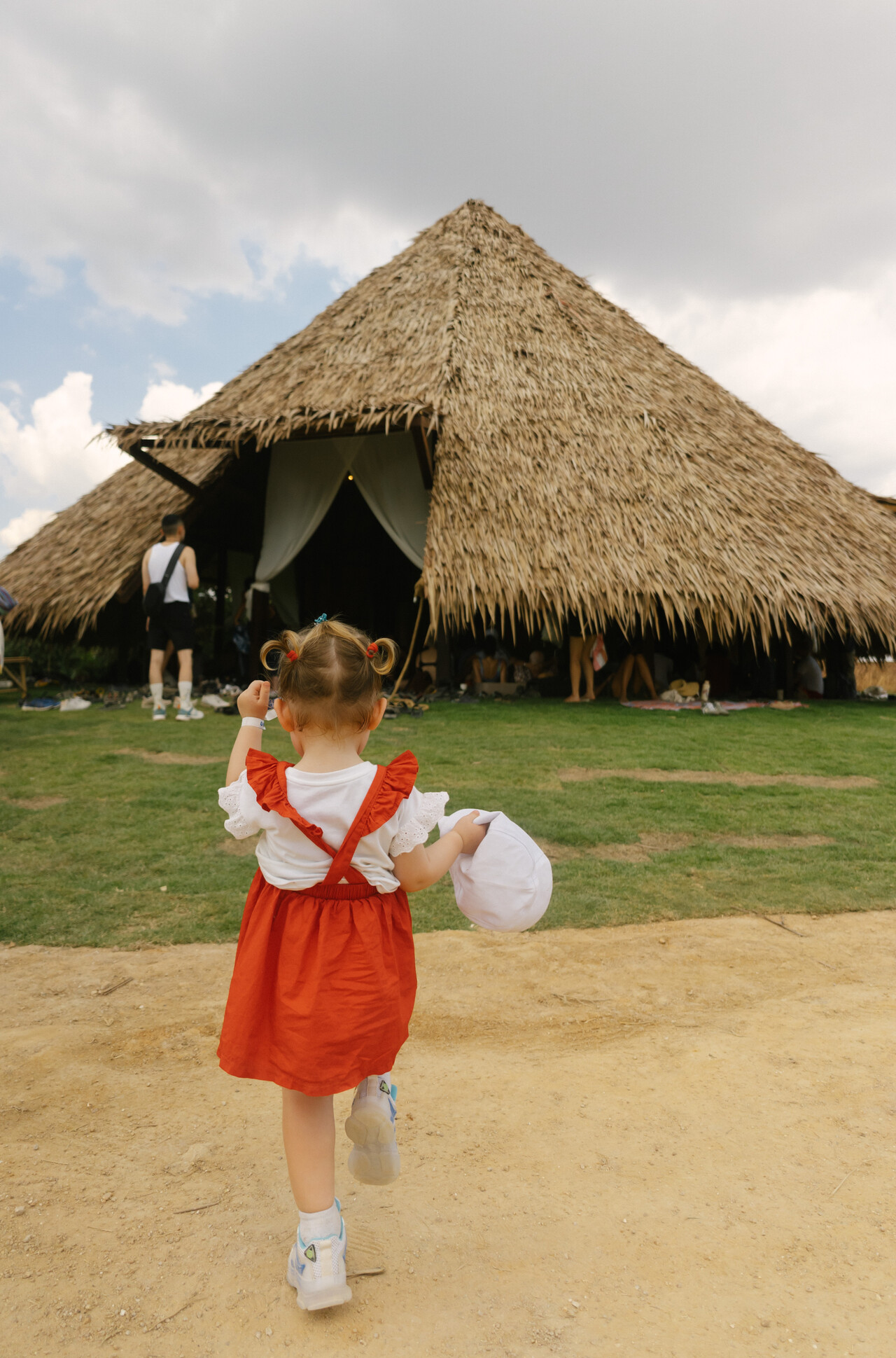
My biggest advice is actually very simple: come during the day.
Don’t just arrive at midnight and go straight to your favourite stage.
Come while the sun is still out. Walk around. Explore the architecture, the art, the forests, the little spaces you might otherwise overlook. Join a workshop, listen to something unfamiliar, have a conversation with someone, and experience the sunset before transitioning into the night.
There’s something beautiful about witnessing Wonderfruit change throughout the day. The same place can feel completely different at 4 PM, sunset, midnight, or sunrise.
And I have another piece of advice that might sound a bit funny: don’t always stay with your group of friends.
I know everyone wants to experience Wonderfruit together, but honestly, trying to keep a big group together can be stressful!
Someone wants to eat, someone needs the bathroom, someone wants to see a DJ, someone else wants to go somewhere completely different. You spend half your night trying to find each other.
It also limits your decisions.
Sometimes the best thing you can do is just wander off on your own. Follow a sound you hear in the distance. Stop somewhere because something catches your attention. Sit down when you feel like it.
Some of the best discoveries are completely unexpected.
We spend an enormous amount of time thinking about the programming, the different spaces, and the connections between them. There’s a reason things happen where they happen.
But we don’t want to tell you exactly how to experience it.
We want you to create your own journey.
How intentional is the music curation? What makes an artist right for Wonderfruit?
Extremely intentional.
People might look at a lineup and think we’re just booking lots of different music. But there’s so much more thought behind it.
We listen to an incredible amount of music throughout the year. We work with ambassadors and curators who understand Wonderfruit, who know our audience, and who share our curiosity. They introduce us to sounds, scenes, and artists from different parts of the world.
And something I always say is that we don’t really care how many followers, streams, or monthly listeners an artist has.
Of course, we look at all sorts of things, but popularity isn’t what determines whether someone belongs at Wonderfruit.
For us, it’s about quality, originality, personality, cultural identity, and storytelling.
What is this artist trying to express? What makes their music interesting? What is their story? What can they bring to a particular space? Will they challenge our audience to listen to something new?
We also think about the time of day and the environment.
An incredible artist in the wrong space or at the wrong time might not create the experience you hoped for.
Sometimes a beautiful ambient performance in the forest in the afternoon can be just as powerful as a high-energy DJ set at 3 AM.
And we have to consider something very practical too: what are the artists like to work with?
We’re creating a festival in a relatively remote location in Thailand. Logistics can be challenging, things don’t always go according to plan, and we’re a relatively small team.
So yes, we appreciate artists who are collaborative, flexible, and easygoing!
We want people who are genuinely excited to be part of Wonderfruit, not just come in, play their set, and leave.
Why doesn’t Wonderfruit focus on booking the biggest international headliners?
Well, first of all, we probably couldn’t afford all of them anyway!
But seriously, it’s also a conscious choice.
There are already so many festivals where you can see the biggest names in the world. And that’s great. There’s absolutely a place for that.
But Wonderfruit is trying to offer something different.
I don’t believe the quality of a festival should be measured by how famous its headliners are.
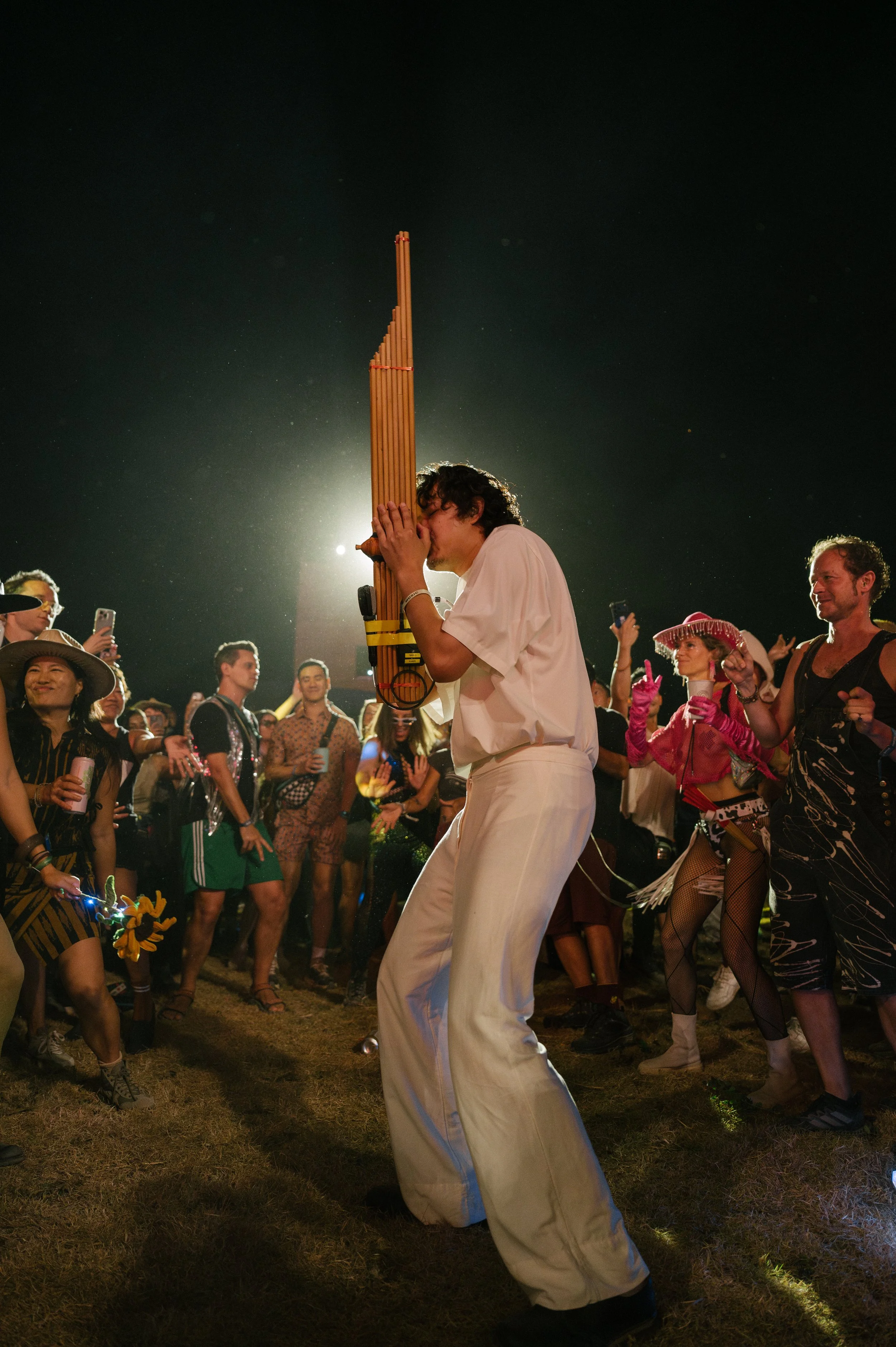
Sometimes the most memorable performance comes from an artist you’ve never heard of. You walk into a space with no expectations, and suddenly you’re experiencing something incredible.
That feeling is what I love.
We’re not trying to compete with other festivals on how many big names we can put on a poster.
We’d rather introduce you to an artist you didn’t know yesterday but will remember for years.
And I think there’s something quite special about that trust between us and the Wonderers.
You’re not always buying a ticket because you recognise the names. You’re coming because you trust that we’ve put something meaningful together.
That’s a huge responsibility, and something we never want to take for granted.
You’ve been particularly passionate about supporting Thai and regional artists. Why?
When I first started, one of my biggest personal goals was to give more visibility to local and regional talent and to showcase the incredible cultural diversity we have here in Thailand and across Asia.
There’s so much talent in this part of the world, and not all of it gets the recognition it deserves.
I didn’t want local artists to feel like they were simply there to fill the early slots before the international acts came on.
Why should an international artist automatically get the better time slot just because they’re from Europe or America?
If the music is good, if the artist has something meaningful to share, they deserve that platform.
We started developing more residents and long-term artist relationships, and we made a conscious effort to give Thai and regional artists prominent positions throughout the programming.
For me, it was important that local, regional, and international artists were represented across the entire festival, including our main spaces such as Solar, Forbidden Fruit, The Quarry, Creature, and Baan Bardo.
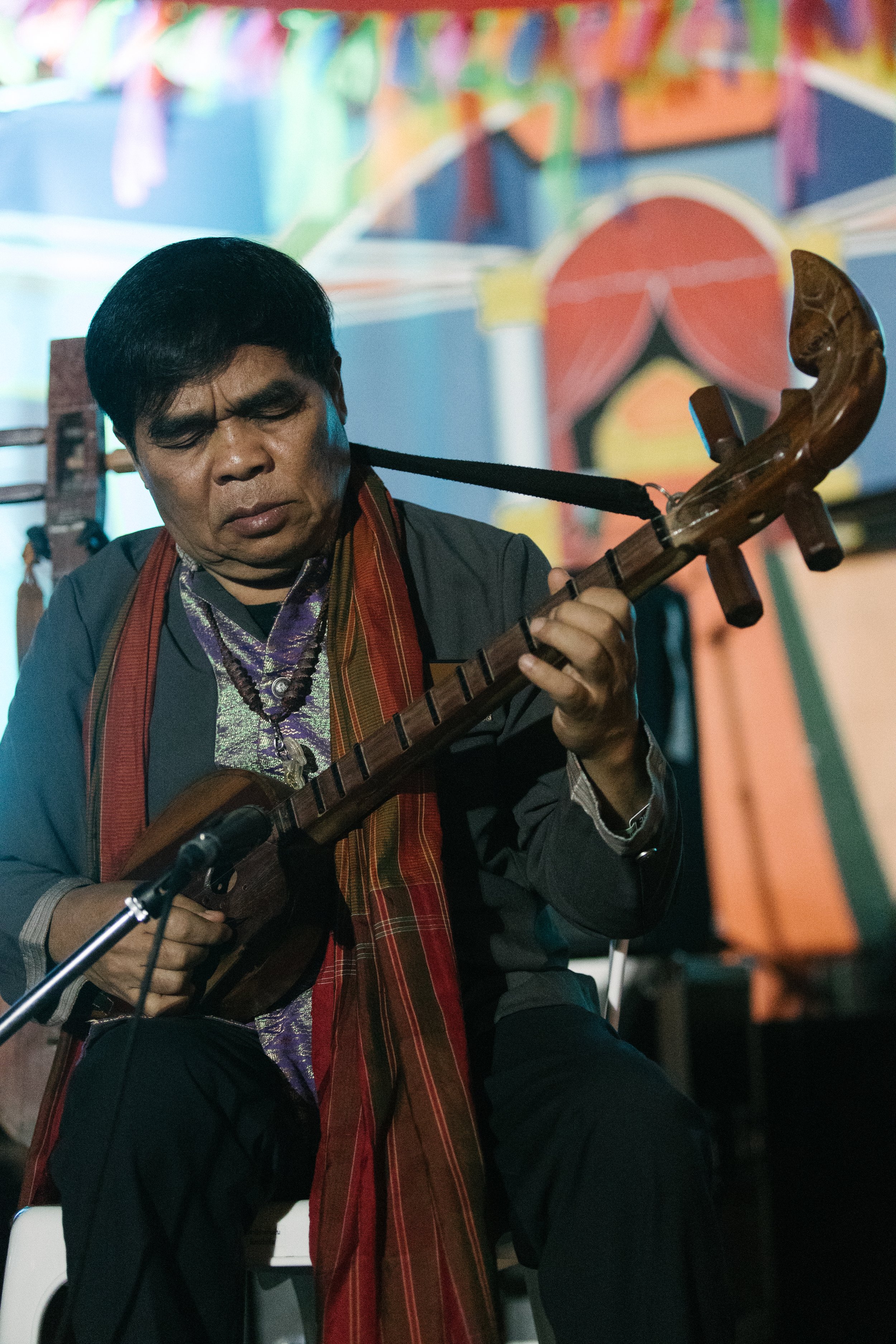
Not separated into different hierarchies.
It’s also about creating opportunities for artists to reach audiences they wouldn’t normally encounter.
An international visitor might come to Wonderfruit and discover Molam for the first time. A Thai audience member might discover experimental music from Indonesia or a completely unfamiliar sound from Japan.
That’s cultural exchange.
And I think we have a responsibility, as a festival based in Thailand, to celebrate the culture and creative communities around us rather than simply importing everything from overseas.
Thai and regional talent should be part of the main story, not a side programme.
Some artists return to Wonderfruit year after year. How do you keep things fresh?
Relationships are incredibly important to us.
After so many years, we’ve built friendships and long-term collaborations with artists, labels, collectives, and creative partners. It really does feel like a family in many ways.
We have relationships with people like Erased Tapes, Rainbow Disco Club, and MSCTY_Studio through Sonic Minds, among many others.
But just because someone returns doesn’t mean we want them to do exactly the same thing again.
Actually, it’s often the opposite.
We like to challenge our collaborators.
If an artist is known for playing high-energy dance music, maybe we ask them to explore their ambient side. We’ve done that with artists and collectives such as Rainbow Disco Club and Organik this year.
An artist who plays one kind of set at night might create a completely different listening experience during the day.
Sometimes artists perform more than once across Wonderfruit, but in very different settings or with completely different musical approaches.
That’s something I really love about the festival.
It gives artists an opportunity to experiment and express parts of themselves that they don’t always get to show.
And it gives the audience a chance to discover a different side of someone they might already know.
For me, a good long-term collaboration isn’t about repeating a successful formula.
It’s about growing together and continuing to challenge each other creatively.
Wonderfruit has been exploring sound beyond dance music, particularly through Sonic Minds. Why is this so important?
Because sound is so much more than entertainment.
I love dancing. I love a great sound system, a beautiful dance floor, and that moment when a DJ creates something magical with a crowd.
But sound can do so many other things.
It can calm you down, change your perception of a space, bring back memories, create emotional connections, or make you more aware of yourself and your surroundings.
And sometimes we forget how to really listen.
We’re so used to consuming music constantly. Everything is available instantly, algorithms tell us what to listen to, and we move from one track to the next without necessarily paying attention.
With Sonic Minds, which we developed together with MSCTY_Studio, we’re exploring a completely different relationship with sound.
We bring musicians, scientists, sound artists, researchers, and spiritual practitioners together to explore how sound connects with our minds, our bodies, and nature.
It’s quite fascinating because everyone approaches sound from a different perspective.
A musician might think about composition and emotion. A scientist might study perception or how we respond to different frequencies. Someone working with meditation or traditional ceremonies might understand sound through centuries of cultural practice.
And when you bring those perspectives together, completely new ideas emerge.
That could be through deep listening sessions, ambient performances, field recordings, sound installations, or more experimental collaborations.
What I especially love is that Sonic Minds doesn’t have to happen on a traditional stage.
You might discover a sound installation somewhere in the forest, hear something unusual while walking through The Fields, or experience a performance that asks you to sit still and listen rather than dance.
Those moments can be incredibly powerful.
We’ve worked with projects exploring environmental recordings, sounds inspired by natural landscapes & rituals, the human voice, and how sonic environments influence our experience of a place.
And we’re still learning. I don’t think we have all the answers, which is exactly why it’s exciting.
We want to explore sound not only as something you dance to, but something you can feel, reflect on, and carry with you into everyday life.
That is a very important part of Wonderfruit’s future.
How does that connect with Wonderfruit’s wider philosophy of Mind, Nature and Sound?
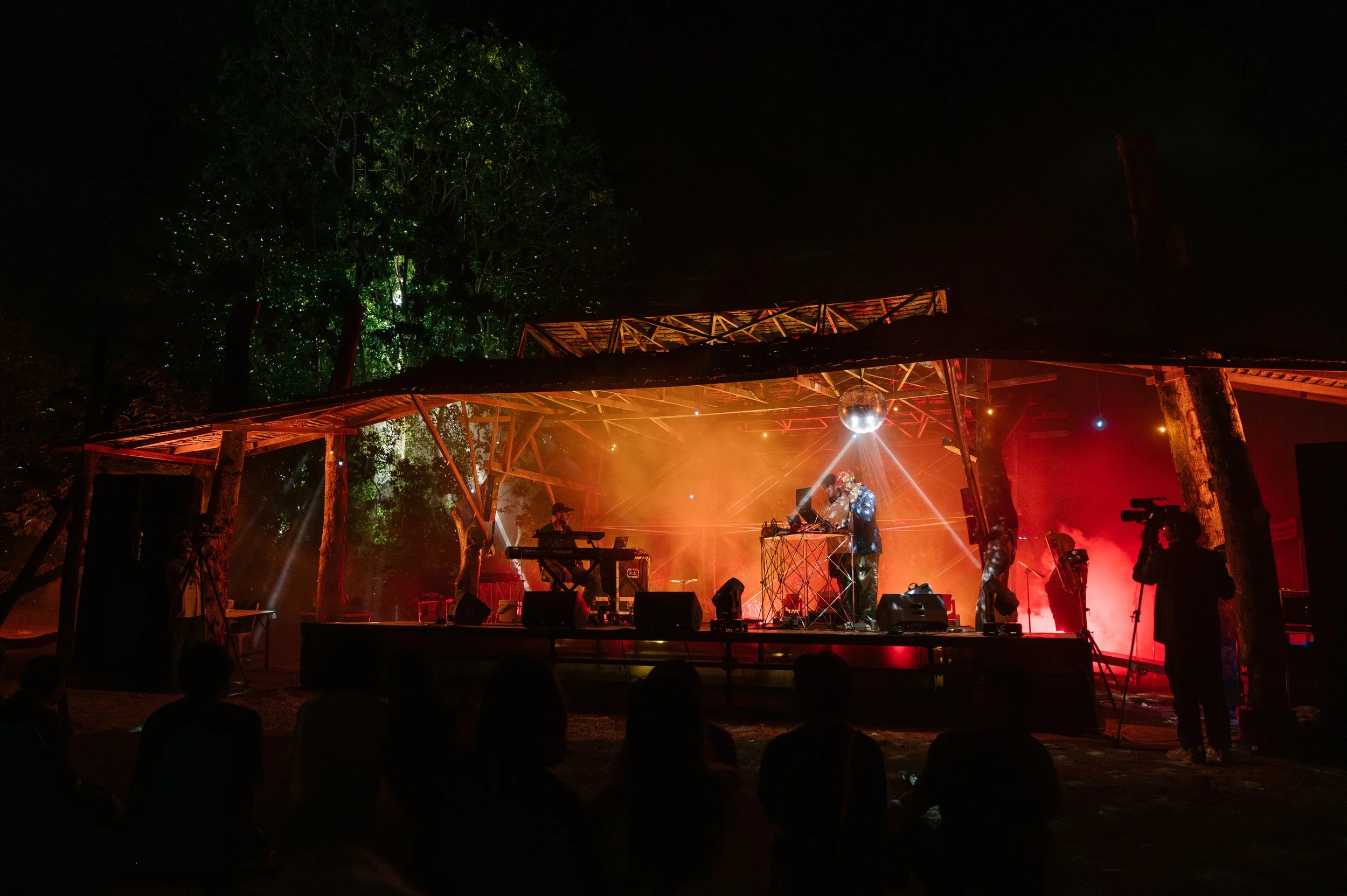
For me, these three things shouldn’t be treated as separate categories.
They influence each other constantly.
Nature isn’t just a beautiful backdrop where we put stages. It’s part of the experience itself. The landscape, trees, architecture, and the way spaces are built all influence how music feels.
Sound can change how you perceive nature. And nature can change how you experience sound.
Then there’s the mind. How we feel, how present we are, and how open we are to new experiences.
That’s also why we create spaces for people to rest, reflect, learn, participate, and reconnect.
Not every moment at Wonderfruit needs to be intense. Not everything needs to be loud.
Sometimes slowing down is just as important as celebrating.
I also think it’s important that we’re exploring these things through culture rather than simply talking about them.
You can read about sustainability, traditional knowledge, or mindfulness anywhere. But experiencing those ideas through architecture, food, music, ceremonies, art, and human interaction is something completely different.
We want people to participate, not just consume.
And we want to be conscious of our impact, whether that’s on the land, the surrounding communities, or the people who come to Wonderfruit.
That’s one of the most meaningful parts of our manifesto for me: we’re constantly learning, experimenting, and trying to create stronger connections between people and the world around us.
We’re definitely not perfect. But we’re trying, and we keep challenging ourselves to do better.
Thailand is becoming an increasingly competitive destination for international festivals. How do you feel about that?
It’s exciting to see Thailand becoming such an important destination for music and cultural events. We have an incredible country, amazing hospitality, talented people, and a really interesting creative scene.
But at the same time, the market is getting very crowded. More and more international festivals are coming to Thailand, and there are only so many weekends, budgets, artists, audiences, and resources available.
We’re already seeing the impact on our own ticket sales. With so many events happening, people have more choices than ever, and I can understand how difficult it can be to decide where to spend your time and money. I also completely understand that people might want to experience something new.
And maybe that’s not necessarily a bad thing. Perhaps it’s even a kind of natural selection that pushes everyone to rethink what they’re offering and why people should choose to be part of it.
Growth doesn’t always have to mean getting bigger. Sometimes it’s about getting better, going deeper, and creating more meaningful experiences. And if that means scaling down certain things, I don’t necessarily see that as a failure. It can actually be an opportunity to rethink our priorities, focus on what really matters, and create something even more special.
I think competition can be healthy, and different festivals can attract different audiences. But I also think we need to have a bigger conversation about how we support our own creative industry.
Take Tomorrowland, for example. It’s an incredible global brand, and I understand why the government wants to attract such a major international event.
But I’d love to see the same enthusiasm and support for festivals and cultural platforms that were created here in Thailand.
Because homegrown festivals are doing something very important too. We’re building communities, developing talent, creating opportunities for local production teams, collaborating with Thai artists and craftspeople, and investing in relationships that continue long after an event ends.
These things take years to build, and they contribute to Thailand’s cultural identity, not just its tourism economy.
We should be asking how to make Thailand’s entire creative ecosystem stronger, including the people who have been building it from the ground up for years.
That means more collaboration, more opportunities for local talent, and a better understanding of the long-term cultural value of what we create.
Ultimately, I think this is also a good reminder for us at Wonderfruit to keep challenging ourselves. We don’t need to be the biggest. We want to continue creating something meaningful, something with its own identity, and something people genuinely want to be part of.
Is that also why you’re collaborating more with other Thai festivals, such as Maho Rasop?
Exactly.
I think it’s important that we support each other instead of always seeing one another as competition.
With Maho Rasop, for example, we’re collaborating on the curation of Ziggurat, bringing together different perspectives, musical tastes, communities, and networks.
I really like that.
We don’t all have to do the same thing or share exactly the same artistic direction. Actually, the differences make these collaborations interesting.
But we can still support one another, exchange ideas, introduce artists to new audiences, and create opportunities together.
Thailand has so many passionate independent promoters, collectives, venues, and musicians. Sometimes everyone is working incredibly hard within their own little world.
Imagine what we could achieve if we connected more of those worlds.
For me, building a stronger music community is much more important than protecting our own little territory.
And I hope we’ll see more of these collaborations in the future.
Inclusivity and diversity are often mentioned when discussing Wonderfruit. What do they mean to you personally?
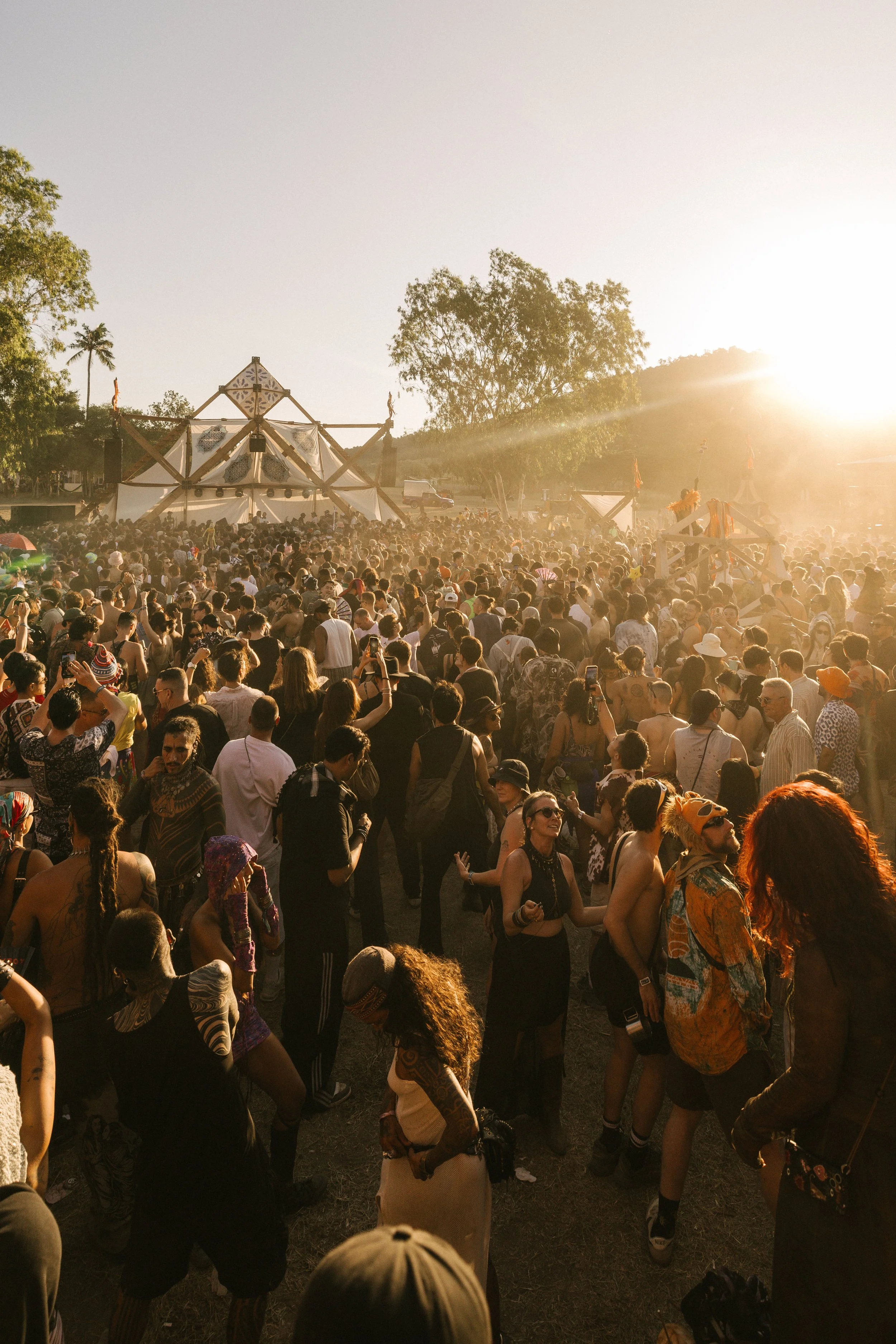
For me, it starts with the idea that everyone should feel welcome.
Wonderfruit brings together people from so many different countries, cultures, backgrounds, generations, and musical interests.
And I think that’s one of the most beautiful things about it.
You might see people dancing together who would probably never meet anywhere else.
Music creates a common language.
But inclusivity isn’t just about having a diverse audience. It also needs to be reflected in the way we curate.
Who gets represented? Who gets opportunities? Which cultures and stories do we give space to? Are we creating platforms for emerging artists or only booking people who are already established?
These are questions we should constantly ask ourselves.
I love the idea that someone can come to Wonderfruit without knowing a single artist on the lineup and still find places where they feel completely at home.
And hopefully also discover spaces where they feel a little outside their comfort zone, but in a positive way.
Because I think that’s where some of the most meaningful experiences happen.
We don’t all have to like the same music, agree on everything, or experience the festival in the same way.
The beauty is that we can be different and still share the same space.
How big is the music team behind Wonderfruit, and how do you work together?
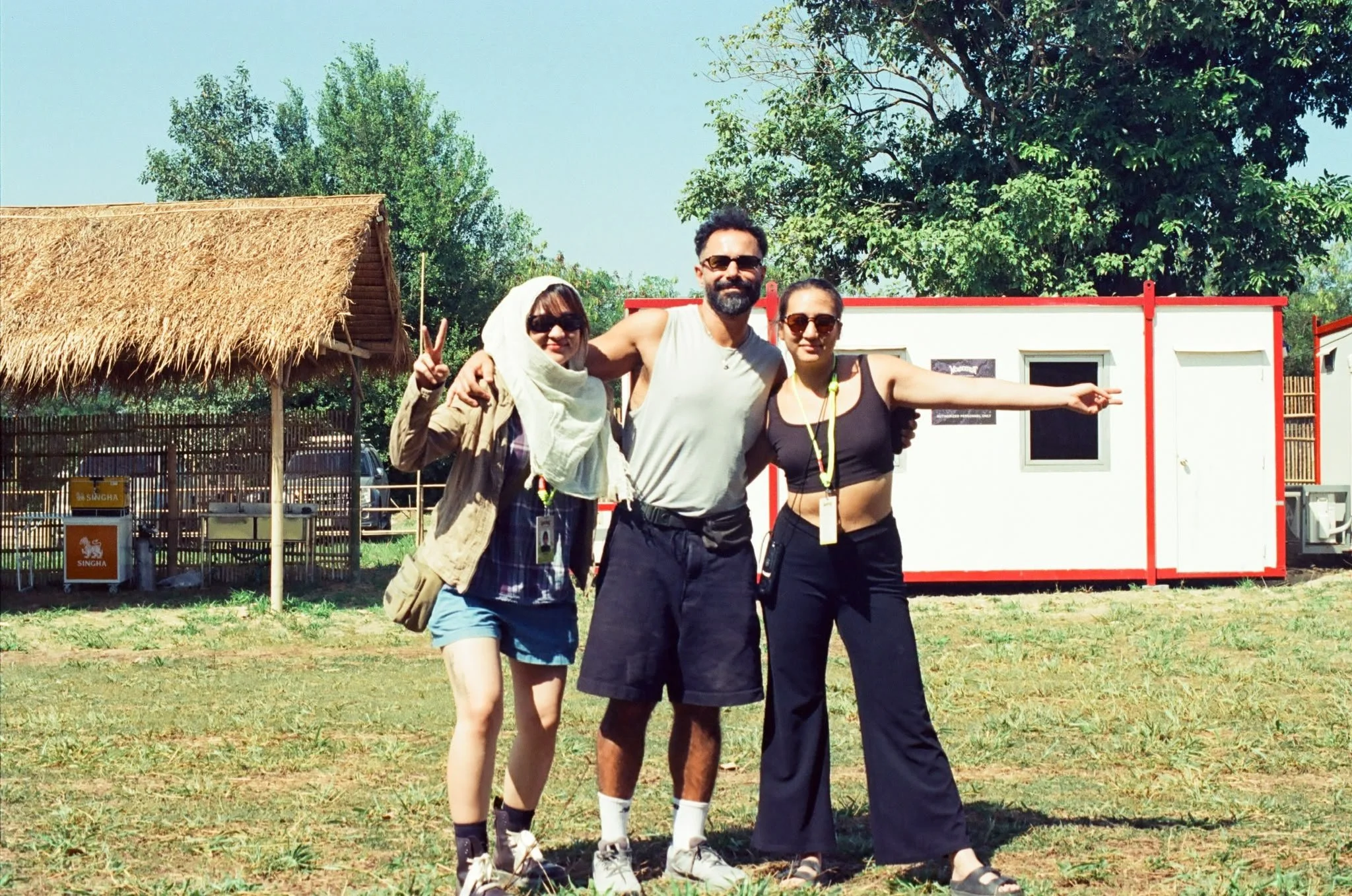
People are often surprised when they find out that we’re actually just three people in the music team!
There’s Ouissam, who is also Music Director alongside me. He’s mainly responsible for the DJs, but we curate the festival together.
I know it might sound a little strange to have two Music Directors. Maybe even a bit confusing. But we like doing things differently at Wonderfruit anyway!
And honestly, it works really well for us.
We both have our own musical tastes, perspectives, and strengths. What’s great is that we can bounce ideas off each other, challenge each other’s choices, introduce each other to new music, and learn from one another..
Then there’s Fasai, our Advancing Coordinator, who plays such an important role in making everything happen.
But I also love involving her in the creative process, especially when it comes to discovering local bands and emerging artists.
She’s Gen Z, she’s curious, she loves going out, exploring the music scene, and discovering new talent.
And let’s be honest, I’m getting a little too old to go out all the time now!
So it’s great having someone who brings that energy and a different perspective into the team.
I think that’s what makes our little team work so well. We all have different strengths, we trust each other, and we support one another.
Good curation isn’t about one person having all the answers. It’s about bringing different perspectives together and challenging each other to create something better.
And considering the scale of Wonderfruit, I’m incredibly proud of what the three of us manage to put together every year.
What is the hardest part of being Music Director that people don’t see?
Oh, where do I even start?
I think people sometimes imagine that being a Music Director means listening to music, choosing artists you like, and putting together a lineup.
I wish it were that simple!
The actual process is so much more complicated.
You’re constantly balancing creativity, budgets, artist availability, travel, technical requirements, production, logistics, programming, and the overall experience of the festival.
You might love an artist, but they don’t fit the timing or the space. Or they’re too expensive. Or their routing doesn’t work. Or the technical requirements are impossible for that particular venue.
Sometimes we spend months developing an idea and it simply doesn’t work out.
And one change can affect so many other things.
If you move a performance, it might affect another artist, the sound setup, the production schedule, the crew, the entire musical flow of that area, and sometimes even what happens in neighbouring venues.
People only see the finished schedule.
They don’t see all the conversations, negotiations, compromises, experiments, and ideas that never make it onto the programme.
We’re also a relatively small team working on an enormous project.
There are so many people behind the scenes who put an unbelievable amount of care and effort into what they do.
And sometimes I wish the audience could see just how much work goes into creating even one small experience.
But at the same time, I don’t want people to feel that complexity when they’re there.
That’s our job.
If everything feels natural and effortless to the Wonderers, even though it took us months to make it happen, then we’ve probably done something right.
You talk a lot about taking risks. Why not simply repeat what worked well the previous year?
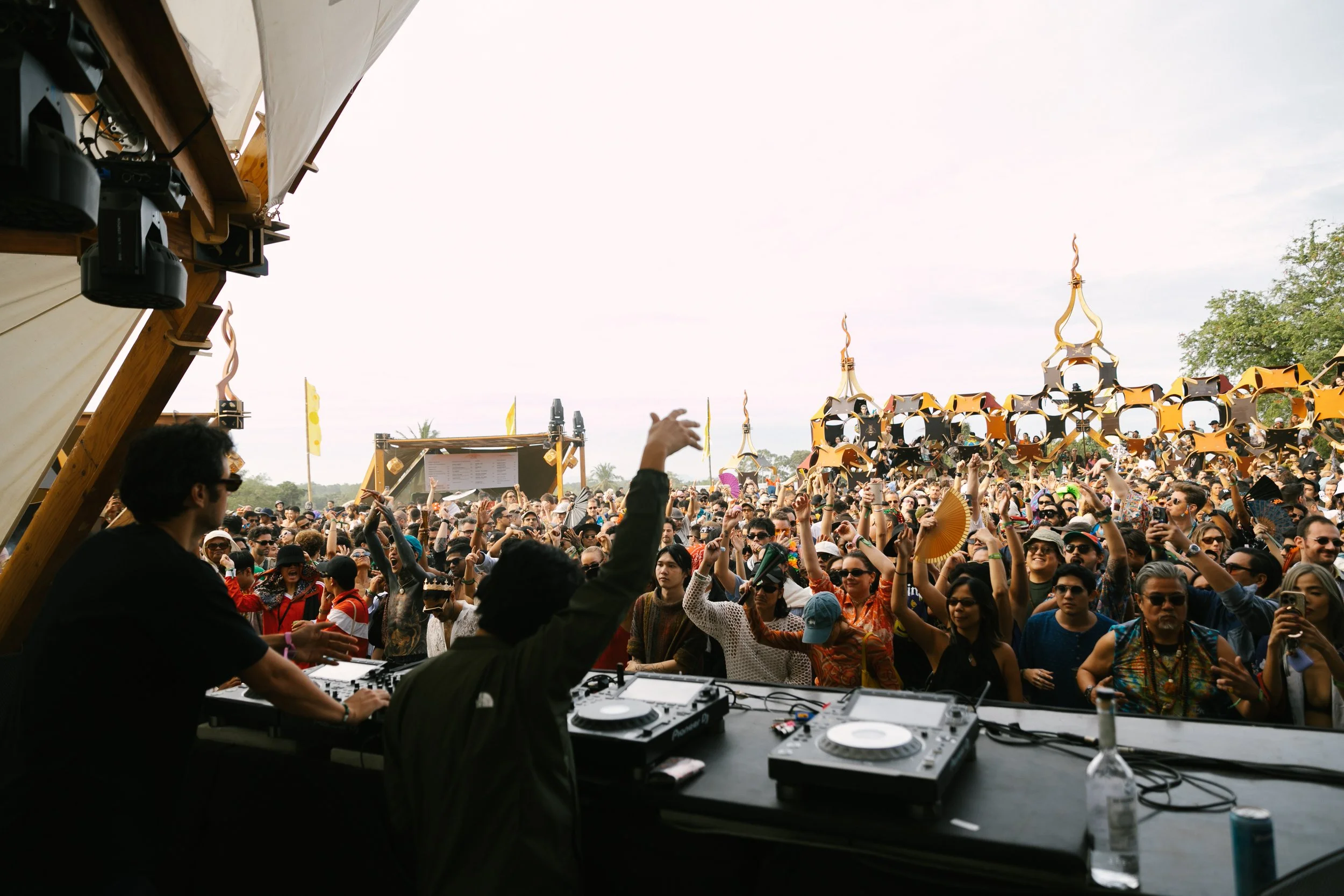
Because that would be boring!
But seriously, it’s something we constantly challenge ourselves with.
Every year, we look back at what worked, what didn’t work, and what we could do differently.
And somehow, instead of making life easier for ourselves, we often choose the more complicated option.
We create new spaces, change programming concepts, introduce unfamiliar artists, experiment with different formats, and sometimes remove things that people love.
It’s almost like we deliberately put obstacles in our own way.
But I think that’s necessary.
If we take our success for granted, we stop questioning ourselves. And if we stop questioning ourselves, we risk becoming predictable.
Of course, taking risks means not everything will work perfectly.
Sometimes an idea sounds amazing in a meeting but doesn’t translate the way we imagined once we’re in The Fields.
And that’s okay.
We need to test things, learn from them, and be willing to admit when something isn’t working.
I would much rather be part of a festival that continues to experiment than one that just repeats the same formula every year. Ok maybe it would be nice for one year to take it a bit easier :)
Not every experiment has to be successful, but every experiment should teach us something.
That’s part of the identity of Wonderfruit.
And I hope our community understands that some of the decisions they might not immediately agree with are made because we’re genuinely trying to create something better.
What do you think makes Wonderfruit different from other festivals?
I think the most important thing is that Wonderfruit isn’t really something you can explain through a lineup, a video, or a few pictures on Instagram.
You have to experience it.
There are amazing festivals all around the world. I’m not going to say one is better than another because they all offer different things.
But Wonderfruit has its own identity.
It’s the relationship between the land, the music, the people, and all these different cultural expressions that come together.
It’s the fact that you can spend an afternoon discovering traditional music, experience an experimental sound installation, watch an incredible live performance at sunset, dance until sunrise, and somehow have a meaningful conversation with a stranger in between.
And none of those moments necessarily needs to be the highlight of the programme.
Sometimes the smallest, most unexpected moments are the ones you remember.
Oh and definitely our toilets it’s worth a mention. I would say we would win “the best toilet at a festival”. If you know , you know :)
But One thing that has always stayed with me is how often people tell us, “Wonderfruit changed my life.”
And I know it might sound dramatic to someone who has never been, but I’ve heard that sentence so many times.
And the truth is, Wonderfruit has changed my life too.
Coming from Europe, experiencing so many festivals then moving to Asia and experience Wonderfruit: I was like truly amazed how can something like this exist in Asia ? The Attention to details , the architecture, the people , the hospitality, the toilets etc.
I think when a festival can have that kind of impact on people, it becomes something more than just an event.
It becomes a community.
And that’s what makes all the hard work meaningful.
What do you hope Wonderers understand about the next chapter?
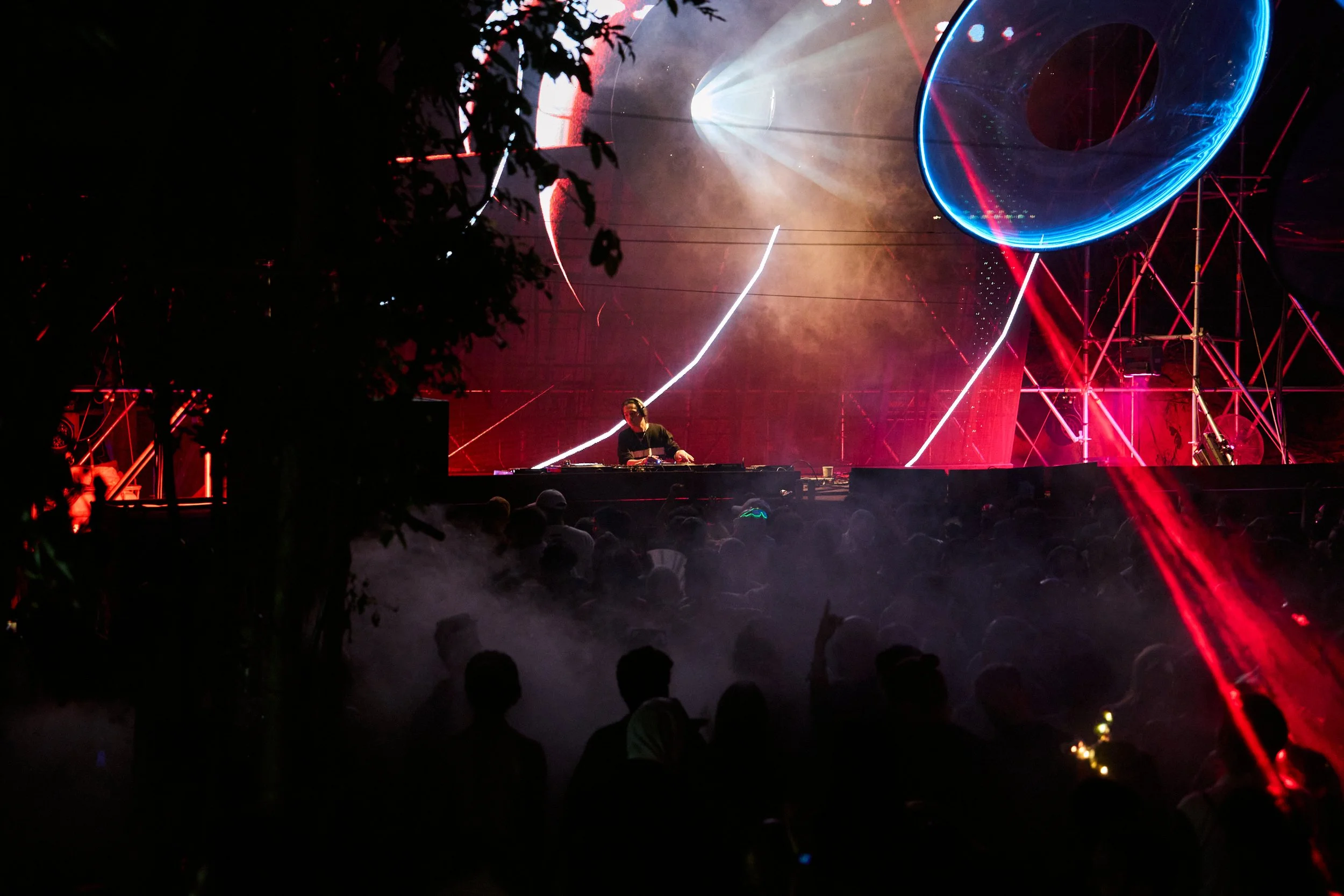
I hope they continue to trust us and stay curious.
I know people develop emotional connections with certain stages, artists, and experiences. And I love that. It means what we’ve created has become meaningful to them.
But I also hope they’ll be open to change.
We can’t promise that every stage will stay forever or that every edition will look and feel exactly like the one before.
Actually, I can almost promise the opposite!
Every year, we’re challenging ourselves to rethink what Wonderfruit can be.
I hope people recognise that behind those changes there’s an enormous amount of thought, care, and effort.
We’re not making decisions just to be different. We’re trying to create an experience that continues to evolve and remains meaningful.
And as our community grows, we also have a responsibility to think about our impact, the land, our collaborators, and the future.
Wonderfruit has already grown beyond the idea of a festival that happens for a few days in December. We’re building relationships and cultural experiences that can continue throughout the year.
But the spirit remains the same.
Curiosity, discovery, creativity, connection, and being open to something unexpected.
Finally, after all the stress and sleepless nights, what keeps you coming back?
Every year, at some point during preparations, I ask myself the same question:
“What am I actually doing to myself?”
There are so many sleepless nights, so much stress, so many unexpected problems, and moments when everything feels almost impossible.
Sometimes you’re exhausted before the festival has even started.
And then the gates open.
You see people arriving, smiling, discovering the spaces we’ve been working on for months.
You walk past a stage and see everyone dancing. You see someone completely absorbed in a performance. You see strangers connecting, friends embracing, people laughing.
And suddenly you remember why you’re doing all of this.
We’re not doing it just for ourselves.
We’re doing it for the more than 25,000 people who come together to share this experience, and for the artists, collaborators, and communities who help create it.
Of course, I love music. That’s why I do what I do.
But what really matters to me is what music can create between people.
And when you see that happening in front of you, all the stress, the difficult decisions, and the sleepless nights somehow become worth it.
Then a few weeks later, we start planning the next edition.
And once again, we find a way to make our lives even more complicated!
But I wouldn’t want it any other way.
Wonderfruit should never be something we take for granted. Not as organisers, and hopefully not as Wonderers either.
Because what we’ve built together over the past decade is something special.
And I really believe the best way to honour that is to keep challenging ourselves, keep supporting our community, and keep creating space for the unexpected.
That’s what Wonderfruit means to me.
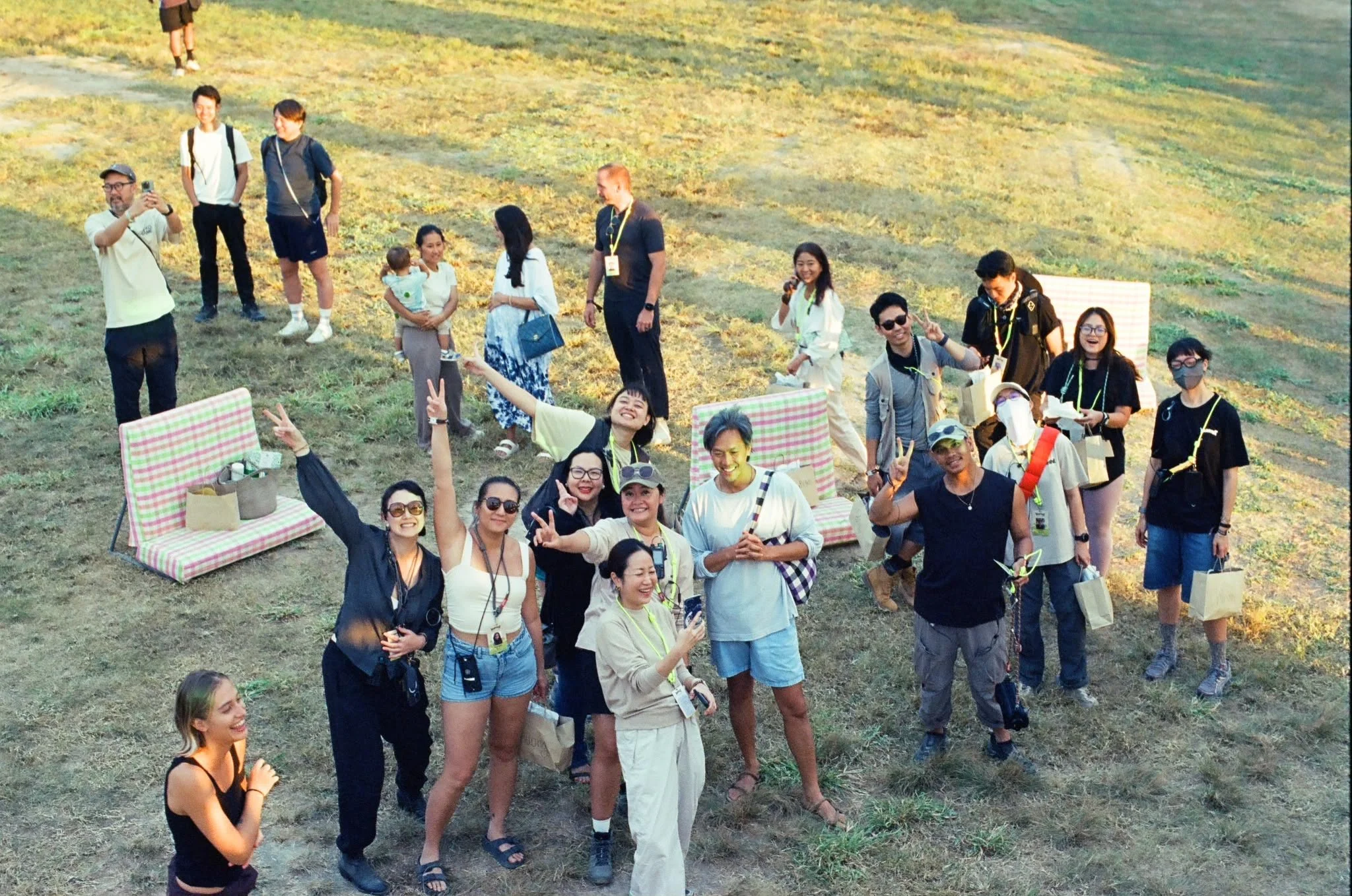
Thank you so much for your time and for sharing what it means to work behind the scenes at Wonderfruit!
We can’t wait to explore The Fields again this year!
For the complete Thailand High Season Festival Guide covering all nine festivals, visit veloura-gems.com/guide/th/veloura-festival-guide.
Veloura Gems is a curated guide and community platform for Bangkok and Thailand. Download the Veloura app to access our full collection of guides, venue recommendations and member perks.
Veloura App
Discover more with Veloura.
Curated venue guides, insider tips and member perks for Bangkok and beyond.
